


Decoration Ideas That Make Any Space Feel More Stylish
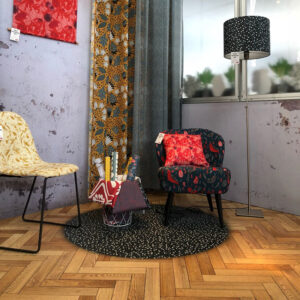
Creating an attractive and welcoming space is not only about choosing expensive furniture or following the latest trends. Good Decoration brings together colors, textures, lighting, furniture, artwork, and personal details in a balanced way. Whether you are refreshing a home, office, retail store, or commercial interior, thoughtful decoration can improve the atmosphere and make the space more comfortable. With the right planning, even a simple room can look polished, functional, and visually appealing without becoming crowded.
Understanding The Role Of Decoration In Interior Spaces
Decoration plays an important role in defining how people experience a space. Furniture provides function, but decorative elements add personality and visual character. A carefully selected combination of wall art, plants, lighting, rugs, accessories, and color accents can make a room feel warmer and more inviting. The goal is not simply to fill empty areas. Instead, every decorative element should have a purpose and support the overall design.
Good decoration also helps create a consistent visual identity. For example, a modern office may use clean lines, neutral colors, glass features, and simple artwork to create a professional environment. A creative workspace may use brighter colors, interesting wall graphics, and flexible accessories to encourage energy and collaboration. When decorative choices match the purpose of the room, the final result feels natural rather than forced.
Choosing Colors That Create The Right Atmosphere
Color is one of the easiest ways to change the appearance of an interior. Light shades can make smaller rooms feel more open, while deeper tones can add warmth and character. Neutral colors such as white, beige, gray, and soft brown provide a versatile foundation that works with many furniture styles.
Accent colors can then be introduced through cushions, artwork, curtains, rugs, decorative objects, or feature walls. Instead of using too many strong colors, choose one or two accent shades and repeat them throughout the room. This creates visual consistency and prevents the space from looking disorganized.
For professional environments, subtle colors often create a calm and focused atmosphere. Residential spaces may allow more freedom with warmer or brighter shades. The best approach depends on the function of the room, natural lighting, furniture finishes, and the mood you want to create.
Using Lighting As Part Of The Design
Lighting should be treated as an important decorative feature rather than something added only for visibility. Natural light can make a room feel fresh and spacious, while carefully positioned artificial lighting can highlight specific areas and create depth.
Pendant lights, floor lamps, table lamps, wall lights, and recessed lighting can all contribute to the overall look. Decorative lighting fixtures can become focal points, particularly above dining tables, reception desks, meeting areas, or lounge spaces. Warm lighting can create a comfortable atmosphere, while brighter neutral lighting may be better for areas where concentration and productivity are important.
Layering different types of lighting is another effective approach. General lighting provides overall brightness, task lighting supports specific activities, and accent lighting draws attention to artwork, architectural features, plants, or display areas.
Adding Artwork And Wall Features
Empty walls can make an otherwise attractive room feel unfinished. Artwork and wall features provide an opportunity to introduce personality without taking up valuable floor space. Large artwork can create a strong focal point, while smaller pieces can be arranged together as a gallery-style display.
Wall panels, framed prints, photographs, typography, mirrors, textured surfaces, and decorative graphics can also add visual interest. In an office, branded wall graphics can reinforce company identity and create a more professional environment. Qprint can be considered when businesses want professionally produced visual elements that complement their interior presentation.
The scale of wall decoration matters as much as the design. A small picture on a large empty wall may look disconnected, while an oversized piece in a compact room can feel overwhelming. Choose artwork according to the size of the wall and the furniture positioned nearby.
Bringing Nature Into Interior Decoration
Plants are a simple way to make interiors feel more vibrant and welcoming. They introduce natural color, texture, and softness into spaces that may otherwise contain many hard surfaces. Indoor plants can work particularly well in offices, reception areas, living rooms, waiting rooms, and hospitality environments.
Large floor plants can fill unused corners, while smaller plants can be placed on shelves, desks, cabinets, or side tables. If maintaining real plants is difficult, high-quality artificial plants can provide a similar visual effect with less maintenance.
Natural materials can also support this look. Wood, woven textures, stone-inspired finishes, and natural fibers can create a warm visual connection with the outdoors. Combining these materials with modern furniture can produce a balanced and comfortable interior.
Making Furniture Part Of The Overall Look
Furniture and decoration should work together rather than compete with each other. A beautiful decorative arrangement can lose its impact if the furniture is poorly positioned or the room contains too many large pieces.
Start by considering movement and functionality. People should be able to walk comfortably through the room without obstacles. Once the functional layout is established, decorative accessories can be introduced around the furniture.
A modern desk can be complemented by a stylish desk lamp, organized accessories, artwork, and a small plant. A sofa can be paired with cushions, a rug, side tables, and suitable lighting. In an office, reception furniture can be enhanced with branded graphics and carefully selected accessories to create a strong first impression.
Qprint can also be useful when decorative graphics or printed visual elements need to support the furniture and interior branding. The key is to create coordination between colors, materials, shapes, and finishes.
Creating Balance Without Overcrowding
One common decoration mistake is adding too many accessories. When every surface contains an object, the room can quickly feel cluttered. Effective design usually depends on balance and intentional spacing.
Leave some areas visually open so that important features can stand out. Instead of placing several small decorative items everywhere, select a few pieces that have stronger visual impact. Grouping objects according to size, color, or material can also make arrangements look more organized.
Balance does not necessarily mean perfect symmetry. A large plant on one side of a room can be visually balanced by artwork or a furniture piece on the other side. The objective is to create harmony rather than make every element identical.
Using Textures To Add Depth
Texture is another powerful part of interior decoration. Rooms can sometimes look flat when everything has the same smooth finish. Introducing different textures adds depth and makes the space more interesting.
Soft fabrics, textured rugs, wooden surfaces, metal details, glass, ceramics, woven baskets, and decorative panels can all contribute to a richer visual experience. Combining contrasting textures works particularly well when the color palette is simple.
For example, a neutral room can become much more appealing when smooth furniture is combined with a textured rug, soft curtains, wooden accessories, and natural plants. These details create variation without requiring dramatic colors.
Decoration For Professional And Commercial Spaces
Commercial spaces need decoration that looks attractive while supporting business goals. An office, showroom, restaurant, clinic, school, or retail store should reflect its purpose and brand identity.
In offices, decorative choices can help create professional reception areas, comfortable employee spaces, collaborative zones, and impressive meeting rooms. In retail environments, wall graphics, signage, displays, lighting, and color schemes can guide customer attention and reinforce branding.
Decoration should also consider durability and maintenance. High-traffic environments require materials that can withstand frequent use. Easy-to-clean surfaces and practical decorative solutions are often better than delicate items that require constant care.
Qprint can help businesses incorporate professionally produced visual elements into their spaces while keeping the presentation aligned with their branding and communication needs.
Keeping Decoration Practical And Long Lasting
A stylish interior should still be practical. Before purchasing decorative pieces, consider how frequently the space is used, who uses it, and how much maintenance each item requires. Decorative objects placed in busy walkways can become inconvenient, while fragile accessories may not be suitable for active workplaces.
Quality is also important. Investing in durable materials can help the space maintain its appearance for longer. Instead of changing everything frequently, choose a timeless foundation and update smaller decorative details when you want a fresh appearance.
This approach can also be more cost-effective. A neutral furniture arrangement can remain useful for years, while artwork, accessories, plants, and accent pieces can be changed as preferences evolve.
Simple Ways To Refresh A Space
Refreshing a room does not always require a complete renovation. Sometimes small changes can produce a noticeable difference. Rearranging furniture, replacing old artwork, adding plants, introducing a new rug, updating lighting, or changing accent accessories can give an interior a new character.
Another effective method is to create a focal point. This could be a feature wall, artwork, statement light, reception counter, decorative display, or architectural element. Once the focal point is established, surrounding decoration can remain relatively simple.
This keeps the room visually organized and ensures that the most important feature receives attention.
Frequently Asked Questions
What Is The Purpose Of Decoration?
Decoration improves the appearance, atmosphere, and personality of a space while supporting its overall function and style.
How Can I Decorate A Small Room?
Use light colors, mirrors, suitable lighting, compact furniture, and a limited number of carefully selected accessories to avoid making the room feel crowded.
Is Decoration Important In An Office?
Yes. Well-planned decoration can create a professional atmosphere, strengthen brand identity, improve comfort, and make visitors and employees feel more welcome.
How Can I Avoid Overdecorating?
Choose fewer meaningful pieces, maintain open areas, and coordinate colors and materials instead of filling every available surface.
Can Plants Improve Interior Design?
Yes. Plants add natural color and texture while helping interiors feel more lively, comfortable, and welcoming.
What Is The Best Way To Choose Wall Art?
Consider the wall size, furniture placement, existing colors, and overall style before selecting artwork that complements the room.
Does Lighting Count As Decoration?
Yes. Decorative lighting can provide practical illumination while also becoming an important visual feature within the interior.
How Often Should Interior Decoration Be Updated?
There is no fixed schedule. Small updates can be made whenever the space feels outdated, while quality furniture and timeless design elements can remain for many years.
Conclusion
Effective decoration is about creating a space that looks attractive, feels comfortable, and works well for the people who use it. Color, lighting, artwork, plants, furniture, textures, and accessories should work together rather than compete for attention. Whether you are improving a home or planning a professional environment, thoughtful choices can create a polished result without unnecessary expense. For businesses looking to incorporate branded visual elements and professional printed designs, Qprint can be part of a well-planned interior presentation.

 English
 Arabic
 Spanish
 Portuguese
 Deutsch
 Turkish
 Dutch
Dutch
 Italiano
 Russian
 Romaian
 Portuguese (Brazil)
 Greek
Greek