


Children's Podiatry Services for Healthy Feet in Edinburgh
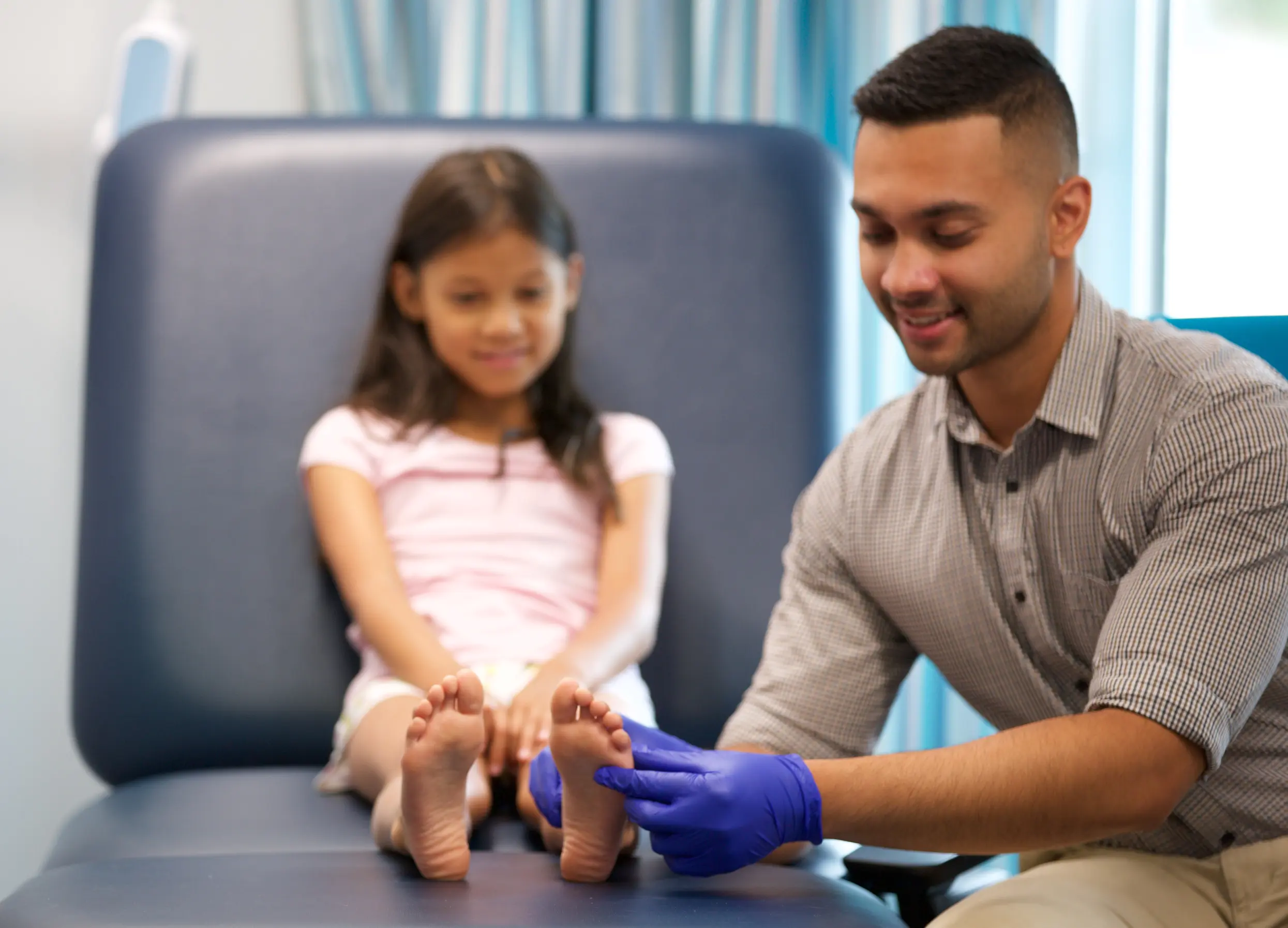
Children's feet change rapidly as they grow. Bones, muscles, joints and soft tissues develop throughout childhood, while increased participation in sports and everyday activities places different demands on the feet. Although many childhood foot changes are part of normal development, persistent pain, walking difficulties or recurring skin and nail problems may need professional attention.
Regular Footcare services Edinburgh can help parents understand their child's foot health and identify concerns that may benefit from podiatry support. A children's podiatry assessment can look beyond a single painful area, considering footwear, walking patterns, activity levels and the overall development of the feet.
When Might a Child Need a Podiatry Assessment?
Not every difference in a child's feet requires treatment. However, parents may want to seek professional advice if they notice ongoing or recurring problems.
Some signs worth discussing with a podiatrist include:
- Frequent foot or heel pain
- Persistent discomfort after physical activity
- Repeated blisters or rubbing
- Ingrown toenails
- Thick or damaged toenails
- Painful corns or areas of hard skin
- Difficulty wearing certain shoes
- Frequent tripping
- Changes in walking pattern
- Concerns about flat feet or foot posture
- Uneven shoe wear
- Pain during sports
Children may not always explain exactly what is wrong. Therefore, changes in behaviour can sometimes provide useful clues. A child who avoids running, stops participating in sports or regularly complains about their shoes may be experiencing a foot-related problem.
Growing Feet Need the Right Support
Children's footwear should accommodate growth without being excessively loose. Shoes that are too small can create pressure around the toes, while poorly fitting footwear may contribute to rubbing and discomfort.
During a podiatry assessment, footwear can be considered alongside the child's foot shape and activities.
What to Check in Children's Shoes
Parents can regularly check whether shoes:
- Have enough room around the toes
- Match the child's foot width
- Fasten securely
- Are comfortable during walking
- Are suitable for the child's activities
- Show unusual or uneven wear
Children can grow out of shoes surprisingly quickly, so checking footwear regularly is a useful part of everyday Footcare services Edinburgh.
Understanding Walking and Gait
Walking patterns naturally change as children develop. However, persistent changes in gait, discomfort or difficulty keeping up with other children may warrant an assessment.
A podiatrist may observe how the child stands and walks and consider how the feet interact with the ankles and lower limbs.
This does not mean every unusual movement requires correction. Instead, the purpose of assessment is to determine whether the observed pattern appears appropriate for the child or whether symptoms and functional difficulties suggest further support could be useful.
Gait assessment can be particularly relevant for active children who experience pain while running, jumping or participating in sport.
Managing Children's Toenails
Toenail problems can be uncomfortable and may interfere with footwear and physical activity.
One common concern is an ingrown toenail, where the edge of the nail presses into the surrounding skin. Children may experience tenderness, redness or discomfort around the affected toe.
Correct nail-cutting habits can support healthy toenails. Nails should generally be trimmed carefully without cutting excessively into the corners. If a child repeatedly develops painful nail problems, professional assessment can help identify contributing factors.
A podiatrist can also provide appropriate Footcare services Edinburgh for children who require professional nail or footcare support.
Skin Problems, Blisters and Hard Skin
Children who are active in sports may experience blisters, friction and areas of thickened skin. These problems can become more noticeable when footwear is tight, worn for long periods or unsuitable for the activity.
Simple footcare habits can help reduce unnecessary irritation.
Parents can encourage children to:
- Keep feet clean and dry
- Change damp socks after exercise
- Wear suitable sports footwear
- Avoid continuing activities when a painful blister is worsening
- Check for areas of rubbing
- Report persistent foot discomfort
Recurring blisters in exactly the same area may indicate a footwear or pressure issue that deserves closer attention.
Sports and Growing Feet
Football, running, dancing, gymnastics and other activities can place considerable demands on children's feet and lower limbs.
Young athletes may experience heel pain, forefoot discomfort, blisters or soreness after training. Growing bones and changing activity levels can contribute to temporary discomfort, but persistent or worsening symptoms should not simply be ignored.
A children's podiatry assessment can consider the child's activity, footwear, training demands and symptoms. This can help parents understand whether changes to activity, footwear or footcare may be appropriate.
For active children, Footcare services Edinburgh can form part of a broader approach to maintaining comfortable feet while they participate in sports and everyday activities.
Supporting Children With Foot Posture Concerns
Parents often become concerned when they notice flat feet, ankles that appear to roll inward or differences between the two feet.
Some foot postures are normal variations, particularly during development. The important consideration is whether the child has symptoms or functional difficulties.
A professional assessment can provide reassurance where no intervention is required and identify appropriate support when there is a genuine concern.
Depending on the assessment, recommendations may involve footwear advice, monitoring, activity guidance or other podiatry interventions.
Why Early Advice Can Be Helpful
Children's foot problems can sometimes become more disruptive when they continue without appropriate attention. A child may change how they walk to avoid discomfort, reduce participation in activities or become reluctant to wear particular shoes.
Early advice does not necessarily mean that a child needs extensive treatment. In many situations, professional guidance may simply help parents understand what they are seeing and what to monitor.
This makes children's podiatry useful not only for treating existing concerns but also for providing practical education around foot health.
A Simple Home Footcare Routine
Parents can make children's foot health part of their normal routine without making it complicated.
A few simple habits include:
Check the feet: Look for redness, swelling, blisters, cuts or unusual changes.
Keep feet dry: Encourage children to dry carefully between the toes after bathing.
Choose suitable socks: Socks should fit comfortably without creating excessive pressure.
Check footwear: Make sure shoes remain comfortable and provide enough room.
Trim nails carefully: Avoid cutting too deeply into the corners.
Listen to complaints: Repeated reports of foot pain should be taken seriously.
These everyday habits complement professional Footcare services Edinburgh and can help parents notice changes earlier.
When to Arrange Professional Footcare
Professional advice may be appropriate when a foot problem continues, repeatedly returns or begins affecting a child's normal activities.
Consider arranging an assessment if your child has persistent pain, recurring nail problems, repeated blisters, difficulty walking comfortably or concerns about their gait.
It is also sensible to seek advice when you are unsure whether a change in your child's feet is a normal part of development or something that requires further evaluation.
A children's podiatrist can explain the findings in straightforward terms and recommend the most suitable next steps.
Making Podiatry Comfortable for Children
A positive experience can make children more comfortable with professional foot assessments. Children's podiatry should be approached in an age-appropriate way, with simple explanations and reassurance throughout the appointment.
Parents can also help by explaining that the appointment is simply a way to check how their feet are developing and address any discomfort.
Creating positive footcare habits early can encourage children to become more aware of their own feet as they grow.
Choosing Children's Podiatry Services in Edinburgh
When selecting a children's podiatry service, consider whether the provider offers assessments suited to younger patients and takes the child's activity level, development and individual concerns into account.
A suitable service should focus on understanding the reason behind the problem rather than automatically recommending treatment.
Professional Footcare services Edinburgh can provide parents with practical guidance about footwear, nail care, skin problems, walking patterns and activity-related foot concerns.
Final Thoughts
Healthy feet can support children as they learn, play, exercise and grow. While many changes in children's feet are a normal part of development, persistent pain, recurring problems or noticeable changes in walking deserve appropriate attention.
With professional Footcare services Edinburgh, parents can access personalised advice about children's foot health, footwear, gait, nail care, skin concerns and sports-related problems. Combining regular observation at home with professional assessment when needed can help children maintain comfortable feet and stay active with confidence.

 English
 Arabic
 French
 Spanish
 Portuguese
 Deutsch
 Turkish
 Italiano
 Russian
 Romaian
 Portuguese (Brazil)
 Greek