


How to Choose the Right Surgical Instrument Shop in Gujranwala A Practical Buyer’s Guide
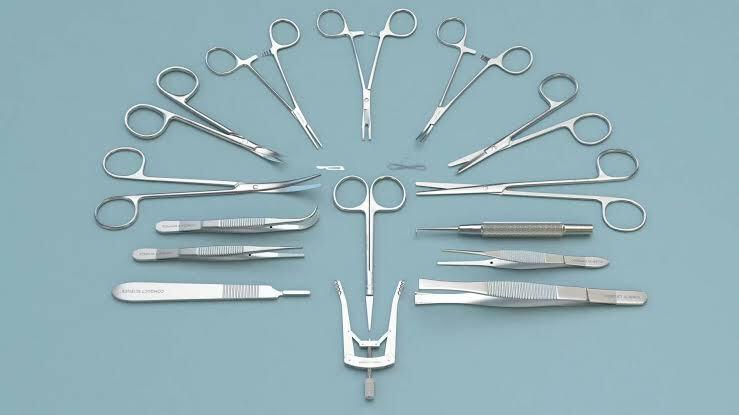
Finding surgical instrument shops in Gujranwala is only the first step. The more important question is whether the instruments available meet the requirements of the intended medical or clinical use.
Surgical instruments are precision tools. A small difference in construction, finishing, mechanism, or compatibility can affect handling and performance. For hospitals, clinics, laboratories, medical professionals, and students, choosing instruments should therefore involve more than comparing appearance or price.
This guide focuses on the practical checks that can help buyers evaluate surgical instruments before making a purchase in Gujranwala.
Start With the Exact Instrument You Need
Before visiting a shop, identify the instrument by its proper name and intended use. “Forceps” or “scissors,” for example, describes a broad group rather than one specific instrument.
Depending on the application, you may need differences in:
- Instrument type and pattern
- Straight or curved design
- Size and working length
- Serrated or smooth jaws
- Locking or non-locking mechanism
- Tip configuration
- Reusable or single-use construction
- Compatibility with an existing set
For healthcare facilities, it can be useful to work from an existing inventory or procedure-specific list. This reduces the chance of buying an instrument that looks similar but does not match the required specification.
Examine the Material and Finish
Material is one of the first things worth discussing with a surgical instrument supplier.
Many reusable surgical instruments are manufactured from stainless steel because it offers a useful combination of strength, corrosion resistance, durability, and ease of cleaning. However, stainless steel is not a single material with identical properties. Different grades and manufacturing processes can be used for different applications.
When evaluating an instrument, ask the seller what material or grade is used and whether documentation is available where appropriate.
The surface should also receive attention. Look for a consistent finish without obvious:
- Pitting
- Deep scratches
- Rough edges
- Discoloration
- Uneven polishing
- Cracks or visible manufacturing defects
A polished or matte finish alone does not establish the quality of an instrument, so appearance should be considered alongside construction and intended use.
Test the Instrument’s Movement
For hinged instruments such as scissors, forceps, clamps, and needle holders, the mechanism matters as much as the exterior finish.
Open and close the instrument several times. The movement should feel controlled rather than excessively stiff, loose, or uneven.
Check whether:
- The two parts align correctly.
- The hinge moves smoothly.
- There is no unnecessary side-to-side play.
- The locking mechanism engages properly where applicable.
- The jaws or blades meet as intended.
- There are no sharp external burrs that could interfere with handling.
For scissors, examine how the blades move through their range. For a clamping instrument, check whether the ratchet engages consistently. For instruments with fine tips, inspect the alignment carefully.
These simple checks can reveal problems that may not be obvious while the instrument is sitting unopened in a display case.
Pay Attention to Size and Ergonomics
Two instruments can perform the same general function while feeling very different in the hand.
The appropriate size depends on the procedure, operator, and intended application. An instrument that is unnecessarily large may be awkward for delicate work, while one that is too small may not provide the required reach or control.
For frequently used instruments, consider:
- Grip comfort
- Handle shape
- Overall weight
- Finger-ring size
- Jaw or tip visibility
- Balance during handling
- Ease of opening and closing
This is particularly relevant when purchasing several instruments for a clinic or surgical set. Buying based solely on photographs or product names can make it harder to identify ergonomic differences.
Don't Judge Quality by Price Alone
Price is naturally part of a purchasing decision, but the lowest quoted price does not necessarily represent the lowest overall cost.
For reusable instruments, durability and maintenance requirements can influence their long-term value. A cheaper instrument that develops corrosion, loses alignment, or requires frequent replacement may not be economical over time.
Instead of asking only, “What is the price?” consider asking:
- What material is it made from?
- Is the instrument reusable?
- What is its intended application?
- Is the exact model or pattern available?
- Can the seller provide manufacturer information?
- Are replacement or matching instruments available?
- What cleaning and maintenance practices are recommended?
For institutional purchases, comparing specifications between suppliers can provide a much clearer basis for decision-making than comparing prices alone.
Ask About Manufacturer and Product Documentation
When purchasing professional medical equipment, traceability can be important.
Depending on the product and supplier, useful information may include:
- Manufacturer name
- Model or catalogue number
- Product specifications
- Intended use
- Material information
- Instructions for cleaning or reprocessing
- Packaging and labeling information
Not every purchase will involve the same documentation requirements. However, a buyer should be cautious about products with unclear identity, missing labeling, or uncertain origin—particularly when the instrument is intended for clinical use.
If a product is represented as meeting a particular standard or regulatory requirement, ask for appropriate documentation rather than relying solely on a verbal claim.
Consider Cleaning and Sterilization Requirements
Reusable surgical instruments need appropriate cleaning, disinfection, inspection, packaging, and sterilization according to the manufacturer's instructions and the healthcare facility's established procedures.
This makes maintenance information an important part of purchasing.
Before buying reusable instruments, determine whether the manufacturer provides instructions for:
- Initial cleaning
- Manual or mechanical cleaning
- Drying
- Inspection
- Lubrication, where applicable
- Sterilization
- Storage
The instrument should be suitable for the reprocessing system in which it will actually be used. A purchasing decision should therefore involve the people responsible for infection prevention and instrument processing when appropriate.
Buying in Gujranwala: A Practical Shop-Visit Checklist
When comparing surgical instrument shops in Gujranwala, take a short checklist with you rather than relying on memory.
Before purchase:
- Confirm the exact instrument name and pattern.
- Compare dimensions with your required specification.
- Inspect the finish under good lighting.
- Test hinges, ratchets, jaws, or blades.
- Check alignment of working ends.
- Ask about material and manufacturer.
- Review available labeling or documentation.
- Confirm whether the product is reusable or single-use.
- Ask for cleaning and sterilization instructions when applicable.
- Keep the invoice and product details for future reference.
For larger purchases, it can also be useful to compare samples from more than one supplier. Handling the actual instruments gives a better understanding of construction and ergonomics than comparing descriptions alone.
When a Specialist Should Be Involved
Not every surgical instrument purchase should be treated as a simple retail transaction.
If instruments are being purchased for a hospital, operating environment, specialist clinic, laboratory, or other regulated healthcare setting, the relevant clinical and infection-control personnel should help define the requirements.
A procurement team may also need to consider compatibility with existing instrument sets, reprocessing equipment, internal purchasing procedures, and applicable regulatory requirements in Pakistan.
For students or individuals buying instruments for training purposes, the requirements may be different. In that case, following the institution's recommended instrument list can prevent unnecessary purchases.
Frequently Asked Questions
What should I check first when buying a surgical instrument?
Start with the exact instrument specification and intended use. Then examine its construction, material information, working mechanism, finish, and available product documentation.
Is stainless steel automatically a sign of high-quality surgical instruments?
No. Stainless steel is widely used for reusable surgical instruments, but quality also depends on the specific material, manufacturing process, design, finishing, alignment, and workmanship.
Should I compare multiple surgical instrument shops in Gujranwala?
For important or larger purchases, comparing suppliers can be useful. Compare the same instrument specification rather than comparing products based only on their names or appearance.
How should reusable surgical instruments be maintained?
They should be cleaned, inspected, reprocessed, sterilized, and stored according to the manufacturer's instructions and the healthcare facility's applicable procedures. Instruments should also be inspected regularly for damage or deterioration.
Can a similar-looking instrument be used as a replacement?
Not necessarily. Instruments that look similar can differ in dimensions, tip design, locking mechanism, or intended application. Confirm the required specification before substituting one instrument for another.
Conclusion
Choosing among surgical instrument shops in Gujranwala is ultimately about evaluating the instrument rather than simply choosing a shop based on convenience or price. Confirm the required specification, inspect construction and movement, ask about material and manufacturer information, and make sure reusable products can be appropriately maintained and reprocessed.
For professional healthcare use, purchasing decisions should also follow the requirements of the relevant clinical team, facility, and applicable Pakistani regulations. A careful inspection before purchase can help ensure that the instruments selected are appropriate for their intended purpose and fit into the facility's existing practices.

 Arabic
 French
 Spanish
 Portuguese
 Deutsch
 Turkish
 Dutch
Dutch
 Italiano
 Russian
 Romaian
 Portuguese (Brazil)
 Greek
Greek