


Lower Blepharoplasty in London: What Is Reviewed During the Consultation?
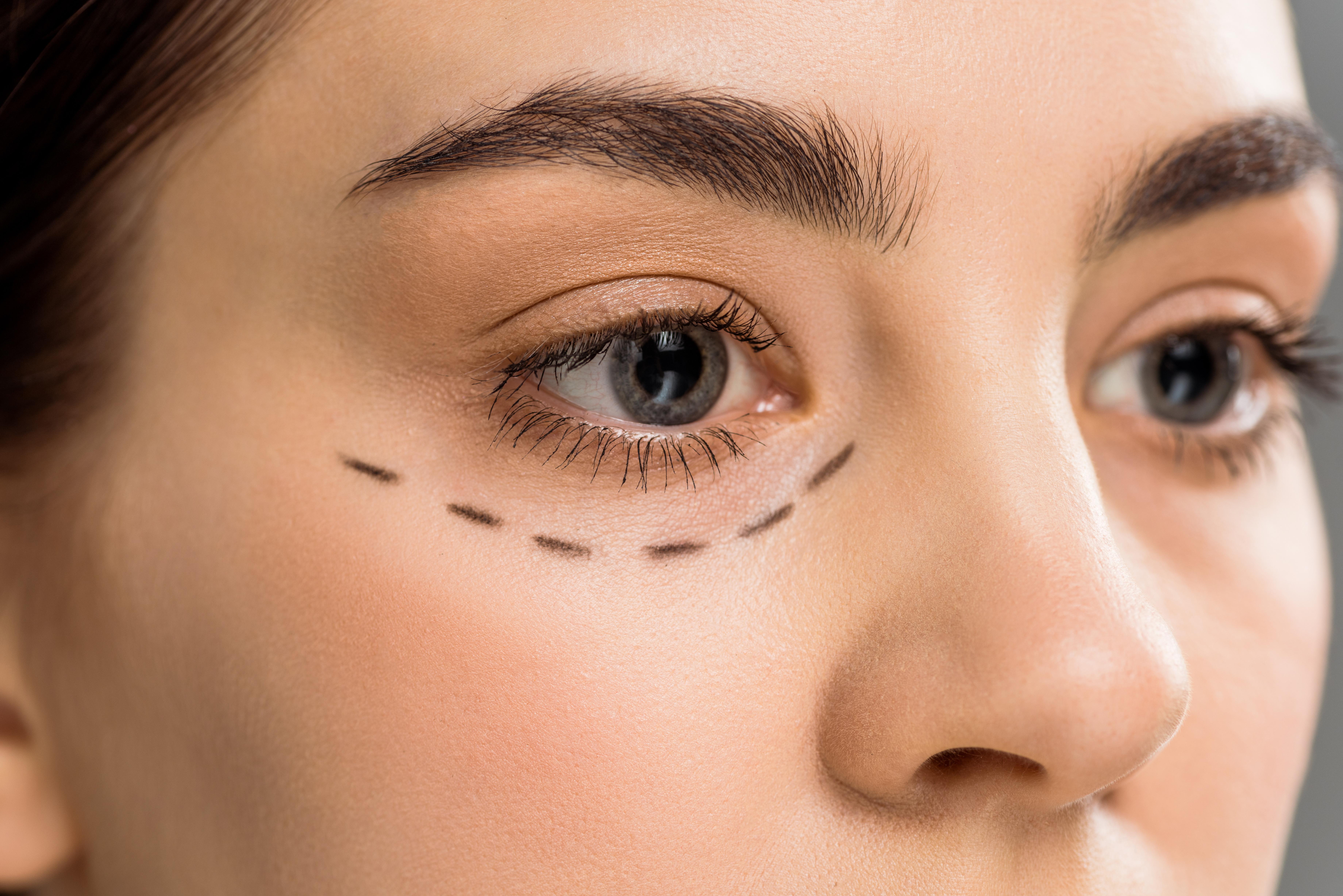
The consultation is an important stage for anyone considering treatment around the lower eyelids. The area beneath the eyes has a complex structure involving skin, soft tissue, muscles, fat compartments, and the natural contours of the face. Because these features vary from person to person, a detailed assessment helps establish an appropriate treatment plan.
When considering Lower Blepharoplasty in London, the consultation is generally focused on understanding the individual's concerns, examining the lower eyelid area, and considering how its structure relates to the rest of the face. Rather than looking at one feature in isolation, a specialist can assess the overall appearance of the eyes and surrounding tissues.
A consultation also provides an opportunity to discuss treatment preferences and understand how the proposed approach may be tailored to individual anatomy. This personalised process helps establish realistic treatment objectives before proceeding with lower eyelid surgery.
Why Is a Consultation Important for Lower Eyelid Surgery?
The lower eyelid can change in appearance for several reasons. Some people notice more visible under-eye fullness, while others may be concerned about loose skin, changes in contour, or the transition between the lower eyelid and cheek.
These concerns do not necessarily occur in the same way for everyone. As a result, treatment planning requires an assessment of the specific characteristics of the lower eyelid.
During a consultation for Lower Eyelid Surgery In London, the specialist can review the visible features of the lower eyelids alongside the surrounding facial anatomy. This helps determine which aspects are relevant to the patient's concerns and how they may be addressed as part of an individualised treatment plan.
What Is Discussed at the Beginning of the Consultation?
The consultation commonly begins with a conversation about the patient's concerns and expectations. The specialist may ask what changes the patient has noticed and which aspects of the lower eye area they would like to improve.
Patients may describe concerns such as under-eye fullness, visible folds, changes in skin appearance, or a tired-looking appearance. Discussing these concerns helps the specialist understand what the patient notices most when looking at their face.
Previous treatments or procedures involving the eye area may also be relevant to the discussion. The purpose is to develop a complete understanding of the patient's background before carrying out the physical assessment.
How Is the Lower Eyelid Skin Examined?
The skin beneath the eyes can vary in thickness, elasticity, texture, and distribution. During the consultation, the specialist may examine these characteristics closely.
The amount and position of visible skin are considered in relation to the natural shape of the lower eyelid. The specialist may also observe how the skin sits when the eyes are open, closed, and during natural facial expressions.
This examination helps determine how the skin contributes to the overall appearance of the lower eyelid. It also provides information that can be incorporated into the treatment plan.
Is Under-Eye Fullness Assessed?
Under-eye fullness is one of the features that may lead people to explore lower blepharoplasty. It can be associated with the appearance of the tissues beneath the lower eyelid and may become more noticeable with changes in facial structure over time.
During consultation, the specialist may examine the location and distribution of this fullness. Rather than treating every patient in the same way, the assessment considers where the fullness is located and how it relates to the surrounding structures.
The specialist can then explain how this feature fits into the overall treatment plan and whether the proposed approach is suitable for the patient's individual anatomy.
How Is the Lower Eyelid Contour Reviewed?
The contour of the lower eyelid is another important part of the consultation. The specialist may look at the transition between the lower eyelid and upper cheek and consider how smoothly these areas connect.
Changes in contour can affect how shadows and highlights appear beneath the eyes. Assessing the area from different angles can therefore provide a more complete understanding of the patient's facial structure.
For people considering a Blepharoplasty Clinic in London, a detailed contour assessment can help ensure that the lower eyelid is considered as part of the wider facial appearance rather than as an isolated area.
Is Facial Symmetry Considered?
Natural facial asymmetry is common, and the two sides of the lower eyelid may have subtle differences. One side may have slightly different skin distribution, fullness, contour, or positioning compared with the other.
During consultation, the specialist may compare both sides of the face. This allows existing differences to be identified before treatment planning.
Recognising these characteristics is useful because the treatment plan can take the patient's individual anatomy into account. The objective is not necessarily to make both sides identical, but to understand their existing relationship when planning treatment.
How Are the Cheeks Considered During the Consultation?
The lower eyelids and cheeks are closely connected from an anatomical and aesthetic perspective. Changes in the cheek area can influence the appearance of the lower eyelid and the transition between the two regions.
For this reason, the specialist may assess the upper cheek as part of the consultation. The position and contour of the cheek can help provide context for the appearance of the under-eye area.
This wider assessment is useful when determining how the lower eyelid relates to the rest of the mid-face. It also helps the specialist consider the patient's facial proportions when discussing treatment options.
What Role Does Skin Elasticity Play?
Skin elasticity describes how readily the skin returns toward its natural position after movement or gentle manipulation. It is one of the characteristics that may be assessed during a lower eyelid consultation.
The specialist may examine how the lower eyelid skin behaves naturally and how it responds to movement. This information can help provide a better understanding of the patient's individual skin characteristics.
Skin elasticity is considered alongside other factors rather than being viewed on its own. The complete assessment allows the treatment plan to be developed around the patient's anatomy and treatment objectives.
Is the Position of the Lower Eyelid Examined?
The position of the lower eyelid in relation to the eye and surrounding facial structures may also be reviewed. The specialist can observe the eyelid when the patient is relaxed and during normal eye movement.
This helps establish the natural position and shape of the lower eyelid. The relationship between the eyelid and surrounding tissues can then be incorporated into treatment planning.
A careful examination of positioning is particularly relevant because the lower eyelid is a mobile structure that works continuously with the eyes and surrounding facial muscles.
How Are Eye Movements Considered?
The eyes and eyelids are constantly moving during normal facial activity. During consultation, the specialist may ask the patient to look in different directions, open and close the eyes, or make natural facial expressions.
Observing these movements can provide additional information about the way the lower eyelid behaves. It can also help the specialist understand the relationship between the eyelid, skin, and surrounding tissues.
This dynamic assessment complements the examination performed while the face is at rest.
Does Previous Treatment Affect the Consultation?
A patient's previous treatment history may be relevant when assessing the lower eyelids. This can include previous eyelid procedures, cosmetic treatments around the eyes, or other interventions involving the surrounding facial area.
Providing accurate information about previous treatments allows the specialist to understand the existing anatomy and changes that may have occurred over time.
The consultation can then take this history into account when developing an appropriate approach for Lower Blepharoplasty in London.
How Are Treatment Goals Discussed?
Treatment goals are an important part of the consultation because patients may have different ideas about the appearance they want to achieve.
Some individuals may primarily be concerned about under-eye fullness, while others may focus on the appearance of loose skin or the transition between the eyelid and cheek. A consultation allows these priorities to be discussed in detail.
The specialist can explain how the patient's anatomical characteristics relate to their concerns and outline an approach based on the findings of the assessment.
Are Facial Proportions Considered?
The lower eyelids form part of a larger facial structure. Their appearance can be influenced by the shape of the eyes, cheeks, nose, eyebrows, and other surrounding features.
A specialist may therefore assess facial proportions during the consultation. Looking at the entire face can help establish whether the patient's concerns are localised to the lower eyelid or connected with the surrounding facial contours.
This broader perspective supports an individualised treatment plan rather than focusing solely on one visible feature.
What Questions Can Patients Ask?
The consultation is also an opportunity for patients to ask questions. They may want to understand what the specialist has identified during the examination and why a particular approach has been suggested.
Questions can cover the lower eyelid anatomy, skin characteristics, under-eye fullness, facial proportions, treatment objectives, and the expected stages of the treatment process.
Clear communication between the patient and specialist is an important part of developing a plan that reflects both clinical assessment and individual preferences.
How Does the Consultation Help Create a Treatment Plan?
After reviewing the lower eyelids and surrounding structures, the specialist can bring the findings together to create an individualised plan.
The plan may consider the patient's skin characteristics, lower eyelid contour, under-eye fullness, symmetry, cheek relationship, facial proportions, and personal objectives. Each factor contributes to the overall assessment.
This approach recognises that lower eyelid anatomy differs between individuals. A consultation therefore provides the foundation for determining how treatment can be tailored to the patient's specific features.
What Should Patients Expect From a Personalised Assessment?
A personalised assessment should give patients a clearer understanding of their lower eyelid anatomy and the factors influencing their appearance. Instead of relying on a generic treatment approach, the specialist can explain how the proposed plan relates to the patient's individual characteristics.
For patients exploring Lower Eyelid Surgery In London, this can make the consultation a valuable opportunity to understand the treatment process and establish appropriate goals.
The assessment can also help patients make informed decisions about whether they wish to proceed with treatment after discussing their individual circumstances with the specialist.
Conclusion
A consultation for Lower Blepharoplasty in London involves more than simply examining the skin beneath the eyes. The specialist may review the lower eyelid skin, elasticity, contour, under-eye fullness, eyelid position, facial symmetry, cheek structure, eye movement, previous treatment history, and overall facial proportions.
Treatment goals are also discussed so that the proposed approach reflects the patient's individual concerns and preferences. By considering the lower eyelids alongside the surrounding facial structures, a specialist can develop a treatment plan that is tailored to the individual's anatomy.
For anyone considering lower eyelid surgery, a detailed consultation provides an opportunity to understand the assessment process, discuss personal goals, and learn how the proposed treatment approach has been selected.
FAQs
What is reviewed during a lower blepharoplasty consultation?
The consultation may include an assessment of lower eyelid skin, skin elasticity, under-eye fullness, eyelid position, contour, facial symmetry, cheek structure, eye movement, and overall facial proportions.
Why is the lower eyelid skin assessed before treatment?
Assessing the skin helps the specialist understand its quality, elasticity, distribution, and relationship with the surrounding structures. This information contributes to individualised treatment planning.
Is under-eye fullness assessed during the consultation?
Yes. The specialist may examine the location and distribution of under-eye fullness and consider how it relates to the lower eyelid and surrounding facial contours.
Are both sides of the face examined?
Yes. Both lower eyelids can be assessed and compared to identify natural differences in symmetry, skin distribution, contour, and positioning.
Does facial structure affect lower blepharoplasty planning?
Yes. The shape and proportions of the eyes, cheeks, and surrounding facial structures can influence the appearance of the lower eyelids and may be considered when developing a treatment plan.
Why are the cheeks examined during lower eyelid consultation?
The lower eyelids transition directly into the cheek area. Assessing this relationship helps the specialist understand the overall mid-face contour when planning treatment.
Is skin elasticity checked before lower eyelid surgery?
Skin elasticity may be assessed as part of the physical examination. It provides information about the individual characteristics of the lower eyelid skin.
Does previous eyelid treatment need to be discussed?
Yes. Patients should tell the specialist about relevant previous procedures or treatments involving the eyelids or surrounding eye area so these can be considered during assessment.
Are eye movements examined during consultation?
The specialist may observe the eyelids while the patient opens and closes their eyes, looks in different directions, or makes natural facial expressions.
How are treatment goals discussed?
Patients can explain which aspects of their lower eyelid appearance concern them and what type of change they are seeking. The specialist can then relate these goals to the findings of the assessment.
What should I ask during a lower blepharoplasty consultation?
You can ask about your individual eyelid anatomy, the findings of the assessment, how your facial proportions have been considered, and why a particular treatment approach has been proposed.
Why choose a specialist consultation for lower eyelid surgery?
A detailed consultation allows the lower eyelids to be assessed as part of the individual's overall facial structure. This provides a basis for discussing a treatment plan tailored to the patient's anatomy and objectives.

 English
 Arabic
 French
 Spanish
 Portuguese
 Deutsch
 Turkish
 Dutch
Dutch
 Italiano
 Russian
 Portuguese (Brazil)
 Greek
Greek