


Taj Mahal Photography Guide: Best Views, Angles & Times for Photos
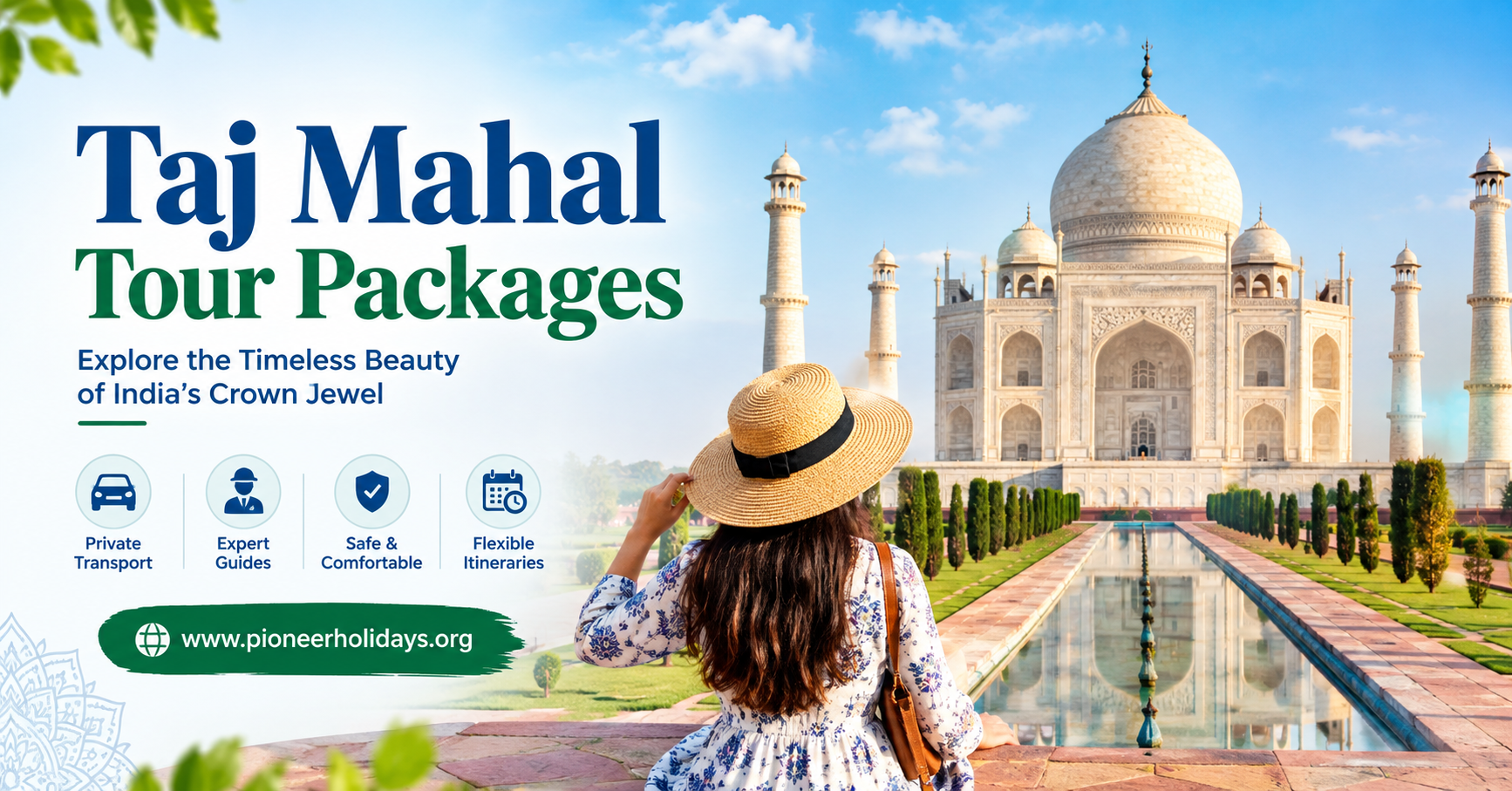
The Taj Mahal is one of the most photographed monuments in the world, but getting a memorable photograph takes more than simply standing in front of the monument and pressing the shutter. The changing light, viewing points, crowds, weather, and even the direction you approach from can make a big difference.
For international travelers planning Taj Mahal Tour Packages, understanding the best photography opportunities can help turn a sightseeing visit into a collection of meaningful travel photographs. Whether you use a professional camera or a smartphone, a little planning can make your Taj Mahal pictures much more impressive.
What Is the Best Time to Photograph the Taj Mahal?
Light is one of the most important elements in travel photography. Early morning is particularly popular because the light is softer and the monument can appear calm and atmospheric.
A sunrise visit can also provide cooler temperatures and, depending on the day, fewer visitors around the main viewing areas. The changing morning light may create subtle shades across the white marble.
A Taj Mahal Sunrise Tour can be a practical option for travelers who want to reach Agra early and spend the morning photographing the monument before exploring other attractions.
Late afternoon is another good period for photography. As the sun becomes less intense, the marble can take on warmer tones. However, the exact appearance depends on the season, weather, and atmospheric conditions.
Best Views and Angles for Taj Mahal Photos
The classic frontal photograph from the main garden remains popular for a reason. The long reflecting pool creates a strong line toward the monument and can help produce a balanced composition.
However, photographers should not stop at the most obvious viewpoint. Try changing your position and height to create different perspectives.
Here are a few ideas:
- Central garden view: Use the reflecting pool to create symmetry.
- Side angles: Move slightly away from the central path to capture the monument with more surrounding garden.
- Close architectural details: Photograph the marble carvings, arches, decorative work, and geometric patterns.
- Framed compositions: Use doorways, arches, trees, or other architectural elements to naturally frame the Taj Mahal.
- Low-angle photographs: A slightly lower camera position can make the monument appear more imposing.
- Detail and wide shots: Take both close-up images and wider photographs to tell a more complete visual story.
If you are visiting with family or friends, take a few photographs that include people rather than photographing the monument alone. These often become more personal travel memories.
Photography Tips for Taj Mahal Tour Packages
Good photography does not always require expensive equipment. A modern smartphone can produce excellent travel photographs when used carefully.
If you are carrying a camera, a standard zoom lens is usually versatile enough for general monument and people photography. A wide-angle setting can help capture the complete structure and surrounding gardens, while a moderate zoom is useful for architectural details.
For smartphone users, avoid excessive digital zoom. Instead, move closer when possible and keep the lens clean before taking photographs.
Composition also matters. Look for symmetry, leading lines, reflections, and natural frames. The pathways and reflecting pool can naturally guide the viewer's eyes toward the monument.
Most importantly, take a moment to enjoy the Taj Mahal without looking through the camera. Photography should complement the experience rather than replace it.
Planning Your Delhi-to-Agra Photography Trip
Many international travelers visit Agra as a day trip from Delhi. The journey can be arranged by private car, train, or as part of a longer itinerary.
For travelers who want a straightforward road journey, a Taj Mahal Day Tour can combine the Taj Mahal with Agra Fort during the same day.
Train travel is another option. A Taj Mahal Tour by Train can save road travel time and is worth considering when the schedule fits your itinerary.
Travelers looking for a more comfortable private experience may prefer a Taj Mahal Luxury Car Tour, particularly when traveling as a couple, family, or small private group.
If photography is a major priority, staying overnight can give you more flexibility. A Taj Mahal Overnight Tour From Delhi allows you to spend more time in Agra instead of trying to fit every experience into a single day.
Practical Tips for Better Taj Mahal Photography
Before visiting, check the expected weather and plan your photography around the available daylight. Hazy conditions are common in parts of northern India, particularly during some seasons, so visibility can affect distant views and the overall appearance of the monument.
A few practical tips can also make the experience easier:
- Arrive early if you want softer morning light and a calmer photography experience.
- Carry a fully charged phone or camera battery.
- Bring extra storage if you plan to take many high-resolution photographs.
- Keep lenses and phone cameras clean.
- Take several compositions rather than repeating the same photograph.
- Respect security instructions and restricted areas.
- Avoid blocking pathways while taking photographs.
- Carry water, especially during warmer months.
- Wear comfortable footwear because sightseeing involves walking.
- Check current monument entry rules before your visit, as regulations can change.
Remember that the Taj Mahal is a protected heritage monument. Follow local instructions and avoid touching or climbing on restricted structures simply to get a particular photograph.
Frequently Asked Questions
What is the best time of day for Taj Mahal photography?
Early morning and late afternoon generally offer softer light than the harsh midday sun. Sunrise can also create a peaceful atmosphere, although the actual colors and visibility depend on weather conditions.
Can I take smartphone photos at the Taj Mahal?
Yes, smartphones are commonly used by visitors for photography. However, travelers should follow the monument's current security and photography rules and avoid restricted areas.
Is one day enough for Taj Mahal photography?
One day can be enough for the main viewpoints and Agra attractions, especially with an organized itinerary. However, an overnight stay provides more flexibility if photography, local exploration, and a slower pace are important to you.
Conclusion
Photographing the Taj Mahal is about more than finding the famous central viewpoint. The time of day, direction of light, composition, weather, and your choice of travel schedule can all influence the final image.
For travelers researching Taj Mahal Tour Packages, planning around sunrise or softer afternoon light can create better photography opportunities while still leaving time to explore Agra. Whether you travel by car, train, or stay overnight, give yourself enough time to experience the monument beyond the camera lens.
For a private and flexible India travel experience, Pioneer Holidays can be considered when planning a Taj Mahal and Agra itinerary tailored around your travel schedule and interests.

 Arabic
 French
 Spanish
 Portuguese
 Deutsch
 Turkish
 Dutch
Dutch
 Italiano
 Russian
 Romaian
 Portuguese (Brazil)
 Greek
Greek