


Does Bariatric Surgery Reduce Excess Weight?
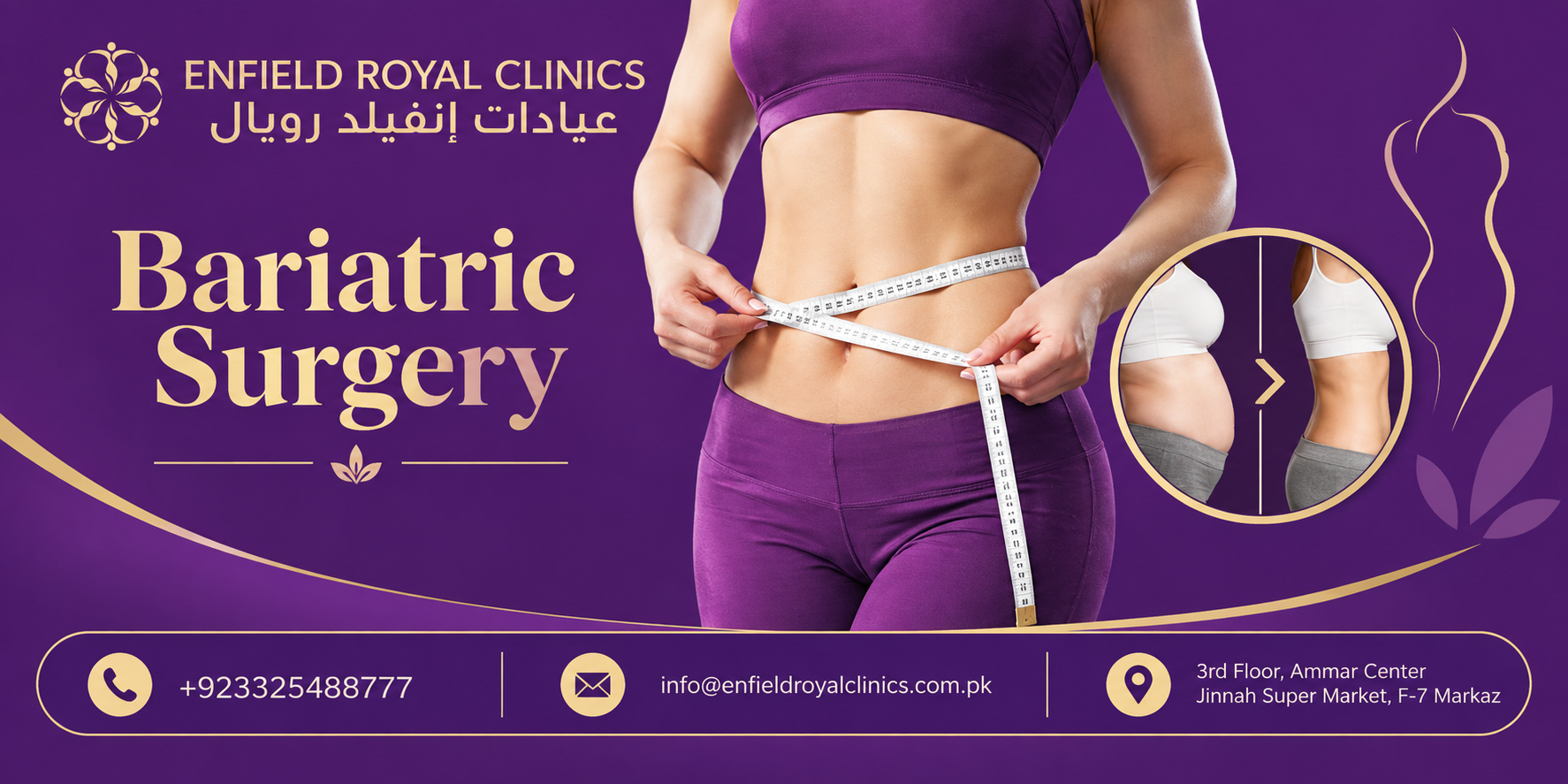
Bariatric surgery is designed to help suitable individuals with obesity reduce excess body weight and improve weight management over time. Unlike temporary dieting approaches, it changes the digestive system in ways that can reduce food intake, influence appetite, and support healthier eating patterns.
For people considering Bariatric Surgery in Islamabad, an important question is whether the procedure can actually reduce excess weight. In suitable patients, bariatric surgery can lead to substantial weight loss, but results vary from person to person. The procedure works most effectively when combined with balanced nutrition, regular physical activity, and long-term follow-up.
How Does Bariatric Surgery Reduce Excess Weight?
Bariatric surgery can reduce excess weight through several mechanisms. Depending on the procedure, it may make the stomach smaller, change the movement of food through the digestive tract, or influence hormones involved in hunger and fullness.
A smaller stomach capacity allows a person to feel satisfied after eating smaller portions. This can naturally reduce calorie intake. Some procedures can also affect appetite-related hormones, which may help reduce persistent hunger.
The combination of smaller portions, improved fullness, and changes in eating behavior can create the conditions needed for gradual weight loss.
However, surgery does not remove all excess weight immediately. Weight loss generally develops progressively as the body adjusts to the changes.
Which Factors Affect Weight Loss After Surgery?
Weight loss after bariatric surgery differs among individuals. Several factors can influence the outcome, including the type of procedure, starting weight, age, metabolism, eating habits, physical activity, and overall health.
The amount of weight a person loses can also depend on how consistently postoperative recommendations are followed. Some people may lose weight more rapidly during the early months, while others experience a slower and steadier reduction.
Genetics and existing medical conditions may also influence how the body responds. For this reason, individual results should not be compared too closely with another person's experience.
A healthcare professional can provide a more realistic expectation after reviewing a patient's health and weight history.
How Quickly Does Excess Weight Decrease?
Weight loss usually occurs in stages rather than all at once. The early period after surgery can involve noticeable weight reduction because food intake is significantly limited while the body adapts.
As recovery progresses, the diet gradually becomes more varied, and the rate of weight loss may slow. This is a normal part of the process.
Over the following months, many patients continue to lose weight as they establish new eating and activity habits. Eventually, weight may stabilize at a lower level.
The timeline is different for every person, so there is no single number of weeks or months that applies to everyone undergoing Bariatric Surgery in Islamabad.
Can Bariatric Surgery Help Reduce Abdominal Fat?
Bariatric surgery can contribute to a reduction in overall body fat, including fat around the abdomen, as overall weight decreases. Abdominal fat is particularly important because excess visceral fat is associated with several metabolic and cardiovascular health concerns.
As body weight decreases, changes may become visible around the waist, abdomen, face, arms, legs, and other areas. However, the body does not always lose fat evenly.
The pattern of fat loss depends on genetics, age, body composition, activity levels, and other individual factors. Bariatric surgery is intended for overall weight management rather than targeting fat from one specific body area.
What Role Do Eating Habits Play After Surgery?
Surgery provides an important physical tool, but eating habits remain central to long-term weight management. After the procedure, patients generally need to adjust portion sizes, meal timing, food choices, and eating speed.
Protein-rich foods, nutrient-dense meals, adequate hydration, and appropriate supplementation may become important parts of the postoperative routine. Patients are also commonly advised to eat slowly and stop when they feel comfortably full.
High-calorie foods and frequent snacking can make weight management more difficult. Developing a consistent and balanced eating routine can help support the benefits of surgery.
These changes are not meant to be temporary. Sustainable habits can help patients maintain weight loss and support overall health.
Can Exercise Improve Weight-Loss Results?
Physical activity can complement the effects of bariatric surgery. Once recovery allows, gradual movement can help improve strength, mobility, fitness, and energy expenditure.
Walking is often an accessible starting point, while resistance and other forms of exercise may be introduced gradually according to individual ability and professional guidance.
Exercise can become particularly important after the initial weight-loss period. Maintaining muscle mass while reducing body fat can support physical function and long-term weight management.
The appropriate level of activity depends on recovery, fitness, medical conditions, and individual circumstances.
Can Weight Stay Reduced After Bariatric Surgery?
Bariatric surgery can support long-term weight reduction, but maintaining results requires ongoing effort. Some weight regain can occur over time, particularly if eating patterns gradually return to previous habits or physical activity decreases.
Regular follow-up can help identify changes early. Nutritional guidance, physical activity, portion control, and attention to hunger and fullness signals can all support continued weight management.
For suitable individuals, Bariatric Surgery in Islamabad can become an important part of a comprehensive approach to obesity. The strongest results generally come when surgery is combined with realistic lifestyle changes and continued professional support.
FAQs
1. Does bariatric surgery remove all excess weight?
Not necessarily. Bariatric surgery can produce significant weight loss, but the amount varies between individuals. The goal is meaningful and sustainable weight reduction rather than removing all excess weight.
2. How much weight can a person lose after bariatric surgery?
Weight loss varies according to the procedure, starting weight, health, diet, activity level, and other factors. A healthcare professional can provide an individualized expectation.
3. Can excess weight return after bariatric surgery?
Some weight regain can occur. Maintaining healthy eating habits, regular physical activity, and appropriate follow-up can help support long-term weight control.
4. Is bariatric surgery enough for long-term weight loss?
Surgery is an important tool, but it works best alongside healthy nutrition, physical activity, behavioral changes, and ongoing medical monitoring.
For more information visit Enfield royal clinic in islamabad

 English
 Arabic
 French
 Spanish
 Portuguese
 Deutsch
 Turkish
 Dutch
Dutch
 Italiano
 Russian
 Romaian
 Portuguese (Brazil)