


What to Know Before Choosing the Best Optometrist in Lahore 2027?
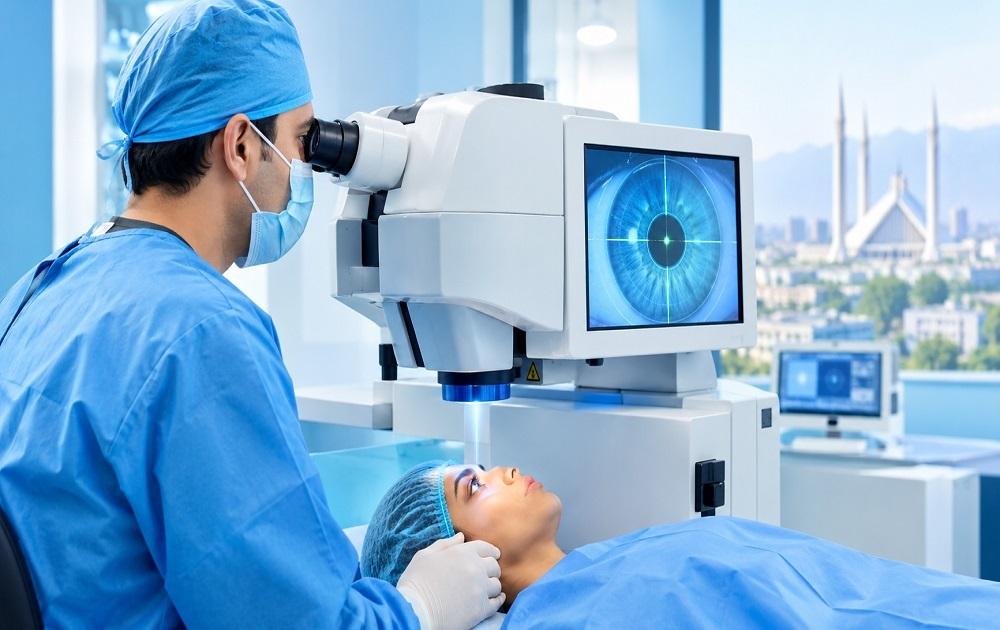
Choosing the Best Optometrist in Lahore is an important step toward maintaining clear and healthy vision. An optometrist can help identify vision problems, perform comprehensive eye examinations, recommend suitable corrective lenses, and recognize signs that may require further specialist care. In 2027, patients have access to modern eye-testing methods, making it important to choose an eye-care professional who combines experience, accurate assessment, and patient-focused care.
Before selecting the Best Optometrist in Lahore, it is useful to understand what an optometrist does and what factors can influence the quality of an eye examination. The right professional should take time to understand your visual needs, examine your eyes carefully, explain findings clearly, and recommend solutions that match your lifestyle and eye-health requirements.
Understanding the Role of an Optometrist
An optometrist is a trained eye-care professional who evaluates vision and examines the eyes for various visual and health-related concerns. Regular optometric care can help people identify refractive errors such as nearsightedness, farsightedness, and astigmatism.
An eye examination is not only about determining whether you need glasses. A comprehensive assessment can also provide information about the general condition of your eyes. Depending on the findings, an optometrist may recommend additional evaluation by an ophthalmologist when a condition requires medical or surgical management.
Understanding this broader role can help patients make better choices when searching for professional eye care in Lahore.
Consider Professional Experience
Experience is one of the factors patients often consider when selecting an optometrist. An experienced professional may have worked with a wide range of visual needs and age groups, from children and young adults to older patients.
However, experience should be considered alongside other qualities. A good optometrist should also maintain accurate examination practices, stay familiar with modern diagnostic approaches, and communicate effectively with patients.
When arranging an appointment, patients can ask about the type of eye examinations provided and whether the optometrist regularly manages concerns similar to their own.
Look for Comprehensive Eye Examinations
A quality eye examination should be more than a quick check of which letters a patient can read from a distance. Different aspects of vision and eye health may need to be assessed depending on the patient's age, symptoms, medical history, and visual requirements.
A comprehensive examination may evaluate visual acuity, refractive error, eye coordination, focusing ability, and other aspects of visual function. Additional testing may be recommended when the optometrist identifies a reason for further assessment.
Patients should therefore look for an eye-care provider who emphasizes complete evaluation rather than simply prescribing glasses.
Pay Attention to Modern Eye Testing
Eye-care technology continues to develop, and modern diagnostic equipment can support more detailed assessments. Depending on the clinic and the patient's needs, optometric services may involve computerized vision testing, retinal assessment, corneal evaluation, or other diagnostic procedures.
Technology alone does not determine the quality of care. The professional operating the equipment must understand how to interpret findings and determine whether further examination is necessary.
For this reason, patients should consider both the available technology and the optometrist's professional expertise when making a decision.
Consider Your Specific Vision Needs
Everyone does not require the same type of eye care. A student who spends many hours studying may have different visual concerns from an office worker who spends most of the day using digital screens.
People who drive regularly may need accurate distance vision, while individuals who work with detailed tasks may require careful assessment of near and intermediate vision. Older adults may also require monitoring for age-related changes.
The right optometrist should listen to these individual needs before making recommendations. Personalized care can make an eye examination more useful because the assessment is connected to the patient's actual daily activities.
Digital Eye Strain and Modern Lifestyles
Extended screen use has become common in workplaces, educational environments, and homes. Spending long periods looking at computers, smartphones, or tablets can contribute to symptoms such as tired eyes, dryness, blurred vision, headaches, and difficulty focusing.
Patients should describe their daily screen use honestly during an examination. This information can help the optometrist provide more relevant recommendations for comfortable and efficient vision.
Consider Eye Care for Older Adults
Vision can change naturally with age, but some changes require professional evaluation. Older adults may experience difficulty reading small text, changes in focusing ability, reduced contrast sensitivity, or other visual concerns.
Understand Follow-Up Care
Eye care does not necessarily end after receiving a glasses prescription. Some patients need regular follow-up examinations depending on their age, visual condition, medical history, or symptoms.
Your optometrist can advise you about an appropriate examination schedule. Follow-up visits can be particularly important when monitoring an existing vision concern or adjusting to a new prescription.
If your vision changes unexpectedly between appointments, you should not necessarily wait for your next routine examination. Seek professional advice when new or concerning symptoms develop.
Know When an Optometrist May Refer You
Optometrists play an important role in detecting conditions that may require ophthalmic evaluation. If an examination reveals a concern outside routine optometric management, the patient may be referred to an ophthalmologist or another medical professional.
Referral does not necessarily mean that a serious condition exists. It can simply mean that more specialized testing or treatment is appropriate.
A responsible optometrist should recognize the limits of routine vision care and recommend further evaluation when necessary.
Consider Convenience Without Compromising Quality
Location and appointment availability can influence your choice of optometrist, particularly for patients who require regular follow-up. A conveniently located clinic can make it easier to maintain consistent eye-care appointments.
However, convenience should not be the only consideration. Professional qualifications, examination quality, communication, technology, and personalized attention should remain important factors when comparing eye-care providers.
The ideal choice balances accessibility with dependable professional care.
Ask About Your Prescription Clearly
A new prescription can be confusing if the patient does not understand what has changed. A good optometrist should explain whether your prescription has increased, decreased, or remained relatively stable.
Understanding your prescription can also help you recognize when your vision changes. If you experience persistent blur, headaches, eye strain, or difficulty adjusting to new lenses, discussing these symptoms with your optometrist is important.
Do not assume that discomfort is something you simply have to tolerate after receiving new glasses or contact lenses.
Consider Preventive Eye Care
Regular eye examinations can play a valuable role in preventive vision care. Even when your eyesight seems normal, professional assessment can help identify changes that may not be noticeable during everyday activities.
Before making your choice in 2027, consider experience, comprehensive testing, modern technology, communication, follow-up services, and the specific needs of your eyes. A thoughtful approach can help you receive more personalized care and make better decisions about glasses, contact lenses, routine examinations, and referrals when necessary.
Regular professional eye care is an important part of protecting vision throughout life. By choosing an optometrist carefully and maintaining appropriate examinations, patients in Lahore can take practical steps toward healthier and more comfortable vision.
FAQs
What does an optometrist do?
An optometrist examines vision and eyes, identifies refractive errors, provides corrective lens prescriptions, and may recommend further specialist evaluation when required.
How often should I have an eye examination?
The recommended frequency depends on your age, eye health, medical history, prescription, and individual risk factors.
Can an optometrist prescribe contact lenses?
Yes, an optometrist can assess your suitability for contact lenses and provide an appropriate prescription and fitting guidance.
Should children have regular eye examinations?
Yes. Professional eye examinations can help identify vision problems that may affect learning, reading, and everyday activities.
Can an optometrist detect eye problems?
An optometrist can identify various vision and eye concerns and may refer patients to an ophthalmologist when specialized medical or surgical evaluation is needed.

 Arabic
 French
 Spanish
 Portuguese
 Deutsch
 Turkish
 Dutch
 Italiano
 Russian
 Romaian
 Portuguese (Brazil)
 Greek