


How E-commerce Businesses Can Build Better Customer Experiences in 2026
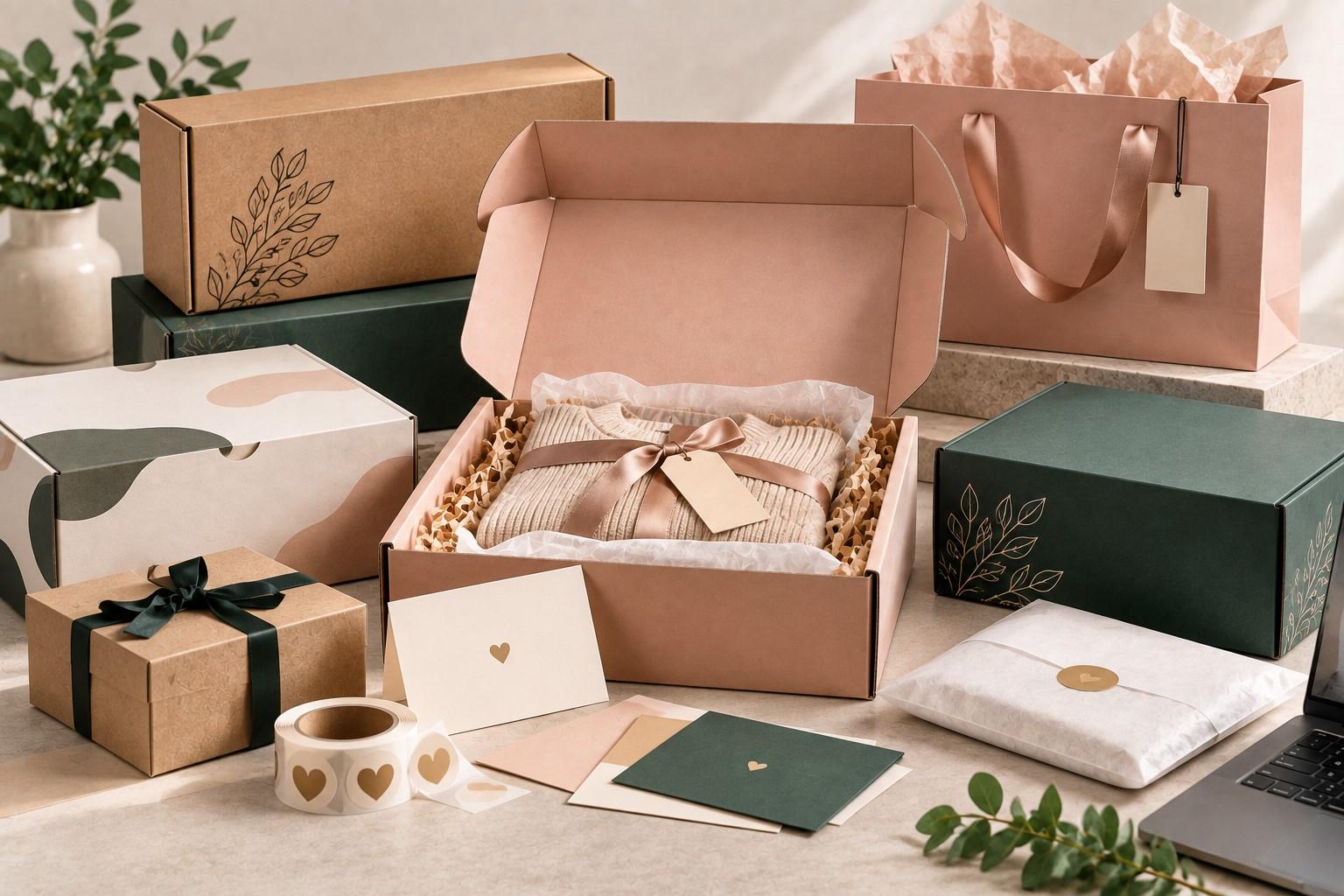
In 2026, an E-commerce Business needs to offer more than good products and competitive prices. Customers now expect a smooth experience from the moment they visit an online store to the moment their order arrives. Fast communication, simple ordering, reliable delivery and professional packaging can all influence how customers view an online brand.
As the Online Retail Business sector becomes more competitive, businesses need to understand what customers value and where small improvements can make a real difference. A strong customer experience can encourage repeat purchases, improve trust and help an E-commerce Business build long-term relationships with its audience.
Why Customer Experience Matters for an E-commerce Business
Customers cannot physically visit most online stores or examine products before buying. They rely on product information, website design, reviews, communication and delivery to decide whether a business is trustworthy.
A positive customer experience should make the buying process feel simple and reliable.
Important areas include:
-
Easy website navigation
-
Clear product information
-
Simple checkout
-
Reliable order communication
-
Suitable delivery options
-
Secure product packaging
-
Helpful customer support
-
Easy returns where appropriate
A problem in any one of these areas can affect the customer's overall impression. For this reason, businesses should review the complete customer journey rather than focusing only on sales.
Understand What Your Customers Actually Need
One of the most useful ways to improve customer experience is to understand customer expectations.
Businesses can learn from:
-
Customer reviews
-
Support questions
-
Product returns
-
Delivery complaints
-
Website behaviour
-
Post-purchase feedback
For example, if customers regularly ask about delivery times, the business could make delivery information easier to find. If customers report damaged products, the packaging and fulfilment process may need reviewing.
This approach is more useful than making changes based only on assumptions. Real customer feedback can provide practical evidence about what needs improvement.
Make the Online Shopping Journey Simple
A complicated website can make customers leave before completing an order. An effective online store should help visitors find information quickly.
Product pages should clearly explain:
-
What the product is
-
Available sizes or options
-
Materials where relevant
-
Price
-
Delivery information
-
Expected dispatch details
-
Returns information
Images should also show the product clearly from useful angles.
The checkout process should be straightforward. Customers should not have to complete unnecessary steps or search through several pages to understand the final cost of their order.
Improve E-commerce Packaging
E-commerce Packaging is an important part of the customer journey because it is often the first physical interaction a customer has with a brand.
A package should protect the product while making the delivery easy to handle. Poor packaging can result in damaged goods, unnecessary returns and customer complaints.
Businesses should consider:
-
Product size
-
Product weight
-
Fragility
-
Delivery conditions
-
Packaging material
-
Internal protection
-
Ease of opening
The packaging should fit the product rather than leaving excessive empty space. At the same time, fragile products may require additional protection.
Use Custom Printed Shipping Boxes Carefully
For brands that want to strengthen their visual identity, custom printed shipping boxes can connect the physical delivery experience with the online brand.
A printed box can include a logo, brand colours or a simple message. However, the design should remain practical and easy to recognise.
Packaging does not need to be heavily decorated to create a professional impression. A clear logo, consistent colours and good-quality printing can often achieve more than an overcrowded design.
The main purpose should always be to protect the order. Branding should support that purpose rather than interfere with it.
Choose Custom Product Boxes Based on the Product
Different products need different levels of protection and presentation. Custom product boxes can be designed around particular product dimensions and requirements.
They may be useful when businesses need:
-
A specific size
-
A particular opening style
-
Internal compartments
-
Product inserts
-
Branded printing
-
Additional presentation
Before choosing a custom structure, businesses should test the product inside the proposed box. This can reveal whether the product moves too much, whether the box closes properly and whether the packaging is convenient for fulfilment.
Build Trust Through Clear Communication
Communication is a major part of customer experience. Customers want to know what is happening with their orders, especially when delivery times change.
Useful communication can include:
-
Order confirmation
-
Dispatch notification
-
Tracking information
-
Delivery updates
-
Clear support contact details
Messages should be concise and easy to understand. Businesses should avoid making delivery promises that they cannot consistently meet.
If an issue occurs, honest communication can help maintain customer trust. Customers may be more understanding when a business explains a problem clearly and provides a practical solution.
Make Delivery Part of the Brand Experience
Delivery is often treated as a separate operational task, but for customers it is part of the buying experience.
Businesses should review the complete delivery process, including:
-
Packaging preparation
-
Dispatch timing
-
Courier selection
-
Tracking
-
Delivery communication
-
Product condition on arrival
A product arriving safely and neatly packaged can reinforce a customer's confidence in the brand.
For businesses experiencing frequent delivery damage, reviewing packaging strength and internal protection may be more effective than simply changing the courier.
Create a Useful Unboxing Experience
An unboxing experience does not need to be expensive or complicated. The most important elements are convenience, cleanliness and good presentation.
A package can include simple features such as:
-
A thank-you message
-
Product information
-
Care instructions
-
A QR code
-
A reorder message
-
Neatly arranged items
The customer should be able to open the package without unnecessary difficulty.
Too much packaging can also have the opposite effect. Customers may find excessive layers frustrating, particularly when they create unnecessary waste.
Focus on Retention, Not Just First Orders
A successful E-commerce Growth strategy should not focus entirely on acquiring new customers. Encouraging existing customers to return can also be important for long-term development.
Businesses can support retention by providing:
-
Reliable products
-
Consistent service
-
Useful post-purchase communication
-
Simple returns
-
Loyalty benefits
-
Relevant product recommendations
The quality of the first order can influence whether a customer feels comfortable buying again.
Packaging, delivery and customer support therefore have value beyond the initial transaction.
Use Technology Without Losing the Human Element
Technology can make online shopping easier, but it should solve real customer problems.
Useful tools may include:
-
Automated order updates
-
Live stock information
-
Delivery tracking
-
Frequently asked questions
-
Product recommendation systems
-
Customer support tools
However, automation should not make it difficult for customers to reach a real person when they have a problem.
A good customer experience combines useful technology with accessible human support.
Consider Sustainability in 2026
Sustainability continues to influence packaging decisions and customer expectations. Businesses can review their packaging to identify unnecessary material and improve efficiency.
Practical steps can include:
-
Using correctly sized boxes
-
Reducing unnecessary inserts
-
Considering recyclable materials
-
Avoiding excessive outer packaging
-
Reviewing packaging quantities
Sustainability should not come at the expense of product protection. If an item arrives damaged and needs replacing, additional resources and packaging may be required.
Businesses should also make environmental claims carefully and ensure they accurately describe the materials and disposal options.
Measure the Customer Experience
Businesses cannot improve what they do not measure. Useful indicators can include:
-
Customer reviews
-
Return rates
-
Repeat purchases
-
Delivery complaints
-
Support enquiries
-
Product damage reports
Businesses should look for patterns rather than focusing on one individual complaint.
For example, repeated reports of damaged packaging may indicate a structural problem. Repeated questions about delivery may suggest that information on the website is unclear.
Regular reviews can help an online business identify areas for improvement.
Frequently Asked Questions
What is the most important part of e-commerce customer experience?
There is no single factor. Product quality, website usability, communication, delivery, packaging and customer support all contribute to the overall experience.
How can packaging improve customer satisfaction?
Suitable packaging can protect products during delivery, improve presentation and make orders easier to open and handle.
Is branded packaging necessary for an online business?
No. Branded packaging is optional. However, consistent packaging can help businesses create a stronger visual identity and a more memorable delivery experience.
How can an online business encourage repeat customers?
Reliable products, clear communication, good service, convenient delivery and a smooth post-purchase experience can all support customer retention.
Should businesses change their packaging as they grow?
They may need to. Changes in product range, order volume, delivery requirements and customer expectations can create new packaging needs.
Final Thoughts
Building a better customer experience in 2026 requires an E-commerce Business to look at the complete customer journey. A professional website and good product are important, but the experience continues through checkout, communication, delivery, packaging and post-purchase support.
Strong E-commerce Packaging, suitable custom product boxes and carefully designed custom printed shipping boxes can help protect products while supporting brand presentation. At the same time, businesses should listen to customer feedback and use real information to improve their processes.
The most effective approach is not to add unnecessary features. Instead, businesses should focus on making every stage of the buying journey clear, reliable and convenient. This customer-focused approach can help an Online Business build trust, encourage repeat purchases and create sustainable growth in the competitive online retail market.

 English
 Arabic
 French
 Spanish
 Portuguese
 Deutsch
 Turkish
 Dutch
 Italiano
 Romaian
 Portuguese (Brazil)
 Greek