


How to Protect Your Elbows and Shoulders During Racket Sports
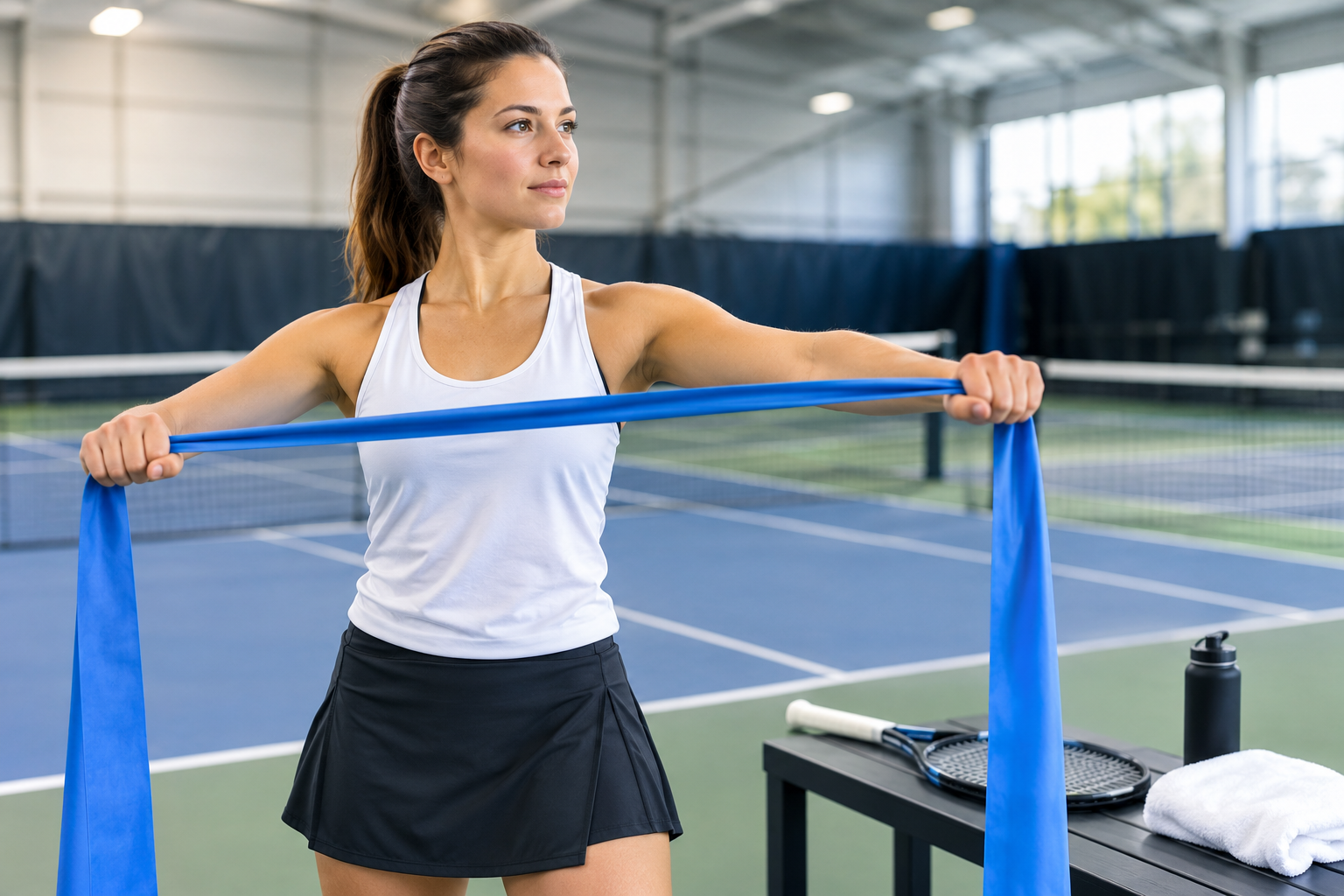
Racket sports such as tennis and pickleball are excellent ways to stay active, improve coordination, and enjoy friendly competition. However, repeated swings, powerful serves, quick reactions, and constant gripping can place considerable stress on the elbows and shoulders. Without proper preparation and recovery, these repetitive movements may lead to discomfort, reduced performance, or overuse injuries.
Whether you are a beginner learning your first strokes or an experienced player competing regularly, taking care of your upper body is essential for long-term participation. Understanding proper technique, choosing suitable equipment, and developing a consistent fitness routine can make a significant difference. With a few smart habits, players can enjoy the game while reducing unnecessary strain on their joints.
1. Understand Common Elbow and Shoulder Injuries
The first step toward effective racket sport injury prevention is understanding which areas are most vulnerable. Tennis elbow, medically known as lateral epicondylitis, is a common overuse condition involving the tendons that connect forearm muscles to the outside of the elbow. Repeated gripping, wrist movement, and forceful racket contact can gradually irritate these tendons.
Players may notice pain when holding a racket, lifting objects, or performing everyday activities. Although the condition is commonly associated with tennis, pickleball players can experience similar symptoms because both sports involve repetitive wrist and forearm movements.
Shoulder injuries are another concern, particularly for players who frequently serve, smash, or hit overhead shots. The rotator cuff muscles help stabilize and control shoulder movement. Repeated overhead activity, inadequate conditioning, and poor movement patterns can place additional stress on these muscles and their surrounding tendons.
Recognizing early warning signs, including persistent soreness, reduced strength, stiffness, or discomfort during swings, helps players address problems before they become more disruptive.
2. Warm Up Properly Before Every Match
A proper warm-up prepares your muscles, tendons, and joints for the demands of racket sports. Starting a match with cold, unprepared muscles can make sudden movements more difficult and increase unnecessary strain.
Begin with five to ten minutes of light activity, such as brisk walking, jogging, or gentle movement around the court. Follow this with dynamic exercises that gradually prepare your upper body.
Useful warm-up movements include:
-
Arm circles to prepare the shoulders.
-
Gentle wrist rotations to improve mobility.
-
Shoulder rolls to encourage comfortable movement.
-
Light resistance-band exercises to activate supporting muscles.
-
Easy forehand, backhand, and volley movements before increasing intensity.
Avoid jumping straight into powerful serves or competitive rallies. Instead, gradually increase the speed and intensity of your strokes.
A consistent warm-up is a simple but valuable part of preventing tennis elbow and reducing the risk of shoulder discomfort. It also helps players feel more coordinated and confident before competition begins.
3. Build Strength in Your Forearms and Shoulders
Strong supporting muscles help distribute the forces created during racket movements. When the forearms, shoulders, and upper back are properly conditioned, the elbows and shoulder joints may experience less unnecessary stress.
For elbow protection, include controlled forearm exercises in your weekly fitness routine. Light wrist curls, reverse wrist curls, and gentle grip-strengthening exercises can help develop the muscles involved in gripping and controlling the racket.
Shoulder conditioning should focus on the rotator cuff and shoulder blade muscles. Resistance-band external rotations, light rows, and controlled shoulder exercises can improve stability and muscular endurance.
Core strength also matters. A stable core helps transfer energy from the legs and torso through the upper body, reducing the tendency to generate all the power with the arm.
Start with manageable resistance and focus on proper form rather than lifting heavy weights. Two or three conditioning sessions per week can help build a consistent foundation, provided your body has enough time to recover.
Players with existing pain or previous injuries should consult a qualified sports medicine professional before starting a new exercise program.
4. Improve Your Technique and Choose the Right Equipment
Your playing technique has a direct influence on how much stress reaches your elbows and shoulders. Poor stroke mechanics can force smaller muscles and tendons to compensate for movements that should involve the entire body.
For example, hitting a tennis ball late or relying excessively on the wrist can increase strain around the elbow. Similarly, serving primarily with the arm instead of using coordinated leg, trunk, and shoulder movement may create unnecessary shoulder stress.
Working with a qualified coach can help identify these habits and improve your stroke mechanics. Learning to use proper footwork, maintain a comfortable grip, and follow through naturally can make your movements more efficient.
Equipment selection is equally important. Consider these factors when choosing a racket or paddle:
-
Grip size: An unsuitable handle size may encourage excessive gripping and increase forearm strain.
-
Racket weight: Equipment that is too heavy or poorly balanced may place additional demands on the arm and shoulder.
-
String tension: Tennis players should choose string tension appropriate for their playing style and physical comfort.
-
Paddle selection: Pickleball players should consider paddle weight, handle dimensions, and overall comfort.
There is no single equipment setup that works for everyone. A knowledgeable coach or racket specialist can help you find equipment that matches your ability, playing style, and physical needs.
5. Manage Playing Time and Allow Proper Recovery
One of the most overlooked aspects of shoulder injury prevention is managing how frequently and intensely you play. Even players with excellent technique can develop overuse problems when they increase their playing time too quickly.
For example, suddenly moving from occasional recreational games to several hours of daily practice can overwhelm muscles and tendons that are not conditioned for the additional workload.
Increase your training gradually and balance demanding sessions with lighter activities or rest days. Avoid repeatedly practicing powerful serves, overhead shots, or aggressive strokes when your arm is already fatigued.
Recovery habits are equally important. Get sufficient sleep, stay hydrated, and maintain a balanced diet to support your body's normal recovery processes.
Pay attention to how your body feels after playing. Mild muscle tiredness can be expected, but persistent joint pain should never be treated as something you must simply play through.
Taking a break when needed is not a setback. It is an important investment in your ability to continue enjoying racket sports.
6. Recognize Warning Signs and Seek Professional Guidance
Early attention to discomfort can help prevent a minor problem from becoming a longer-lasting injury. Players should monitor changes in their grip strength, shoulder mobility, and ability to perform normal strokes.
Pain on the outside of the elbow, discomfort during overhead movements, unusual weakness, or soreness that continues between playing sessions deserves attention.
If symptoms repeatedly return, become worse, interfere with daily activities, or affect sleep, consult a healthcare professional or sports physiotherapist. They can assess the underlying cause and recommend an appropriate recovery plan.
Avoid using pain medication simply to hide symptoms and continue playing. Reducing or temporarily stopping painful activities may be necessary while the affected tissues recover.
Returning to competition should be gradual. Build up your practice time and stroke intensity as your comfort, strength, and movement improve, following professional guidance when necessary.
Conclusion
Protecting your elbows and shoulders is an important part of enjoying tennis and pickleball for years to come. Proper warm-ups, regular strength training, sound technique, suitable equipment, and responsible recovery habits all contribute to effective racket sport injury prevention.
Whether you are developing your skills or competing regularly, small changes in your routine can make a meaningful difference. At WNY Tennis, players can continue building their game while making physical preparation and long-term health an important part of their athletic journey.

 Arabic
 French
 Spanish
 Portuguese
 Deutsch
 Turkish
 Dutch
 Italiano
 Russian
 Romaian
 Portuguese (Brazil)
 Greek