


How Proper Site Drainage Protects New Homes From Foundation Damage
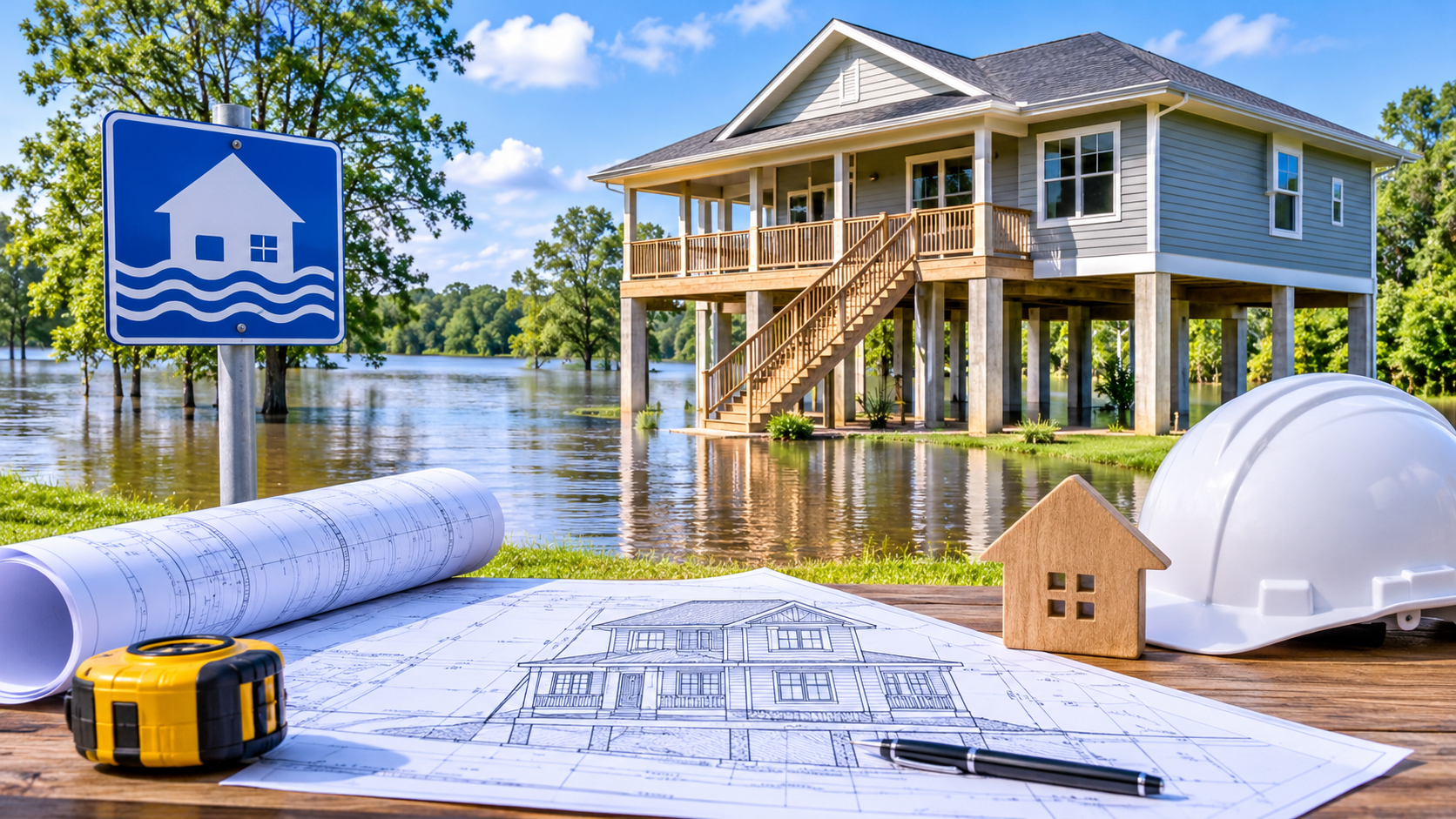
Building a new home is a major investment, and protecting its foundation should be a priority from the earliest stages of construction. While homeowners often focus on architectural design, building materials, and interior finishes, one important factor is sometimes overlooked: proper site drainage. Without an effective drainage system, rainwater and surface runoff can collect around a property, gradually damaging the soil and putting unnecessary pressure on the home's foundation.
Water-related foundation problems can lead to cracks, uneven floors, basement moisture, and expensive structural repairs. Fortunately, many of these issues can be prevented through careful planning before construction begins. Understanding how water moves across a property and preparing an appropriate drainage strategy helps create a safer, more durable home.
1. Understanding the Connection Between Site Drainage and Foundation Health
A home's foundation depends on stable soil conditions to support its weight. When water collects around the foundation, it can change the soil's moisture content and affect its ability to provide consistent support. Certain soil types, particularly expansive clay soils, may swell when wet and shrink during dry periods. These repeated changes can place stress on foundation walls and structural elements.
Poor drainage can also cause water to accumulate near the base of a building. Over time, this may increase hydrostatic pressure against foundation walls, allowing moisture to enter through small cracks or weak points.
Proper site drainage directs excess water away from the structure before it becomes a problem. By controlling surface runoff and managing groundwater where necessary, builders can help maintain more stable soil conditions. This is why drainage should be considered an essential part of construction planning rather than an improvement added after a home is completed.
2. Why Drainage Planning Should Begin Before Construction
Effective drainage starts with understanding the property's natural conditions. Before construction equipment arrives, builders and property owners should evaluate the site's elevation, existing slopes, soil characteristics, and natural water flow patterns.
A property with a low elevation or nearby water sources may require additional drainage measures. Similarly, land with heavy clay soil may need a different approach from a site with sandy or well-draining soil.
Residential drainage plan preparation helps identify potential water-management challenges before they affect construction. A professional plan can show proposed grading elevations, drainage routes, collection points, and discharge locations.
Planning early also makes it easier to coordinate drainage features with building foundations, driveways, landscaping, and other site improvements. Addressing these details during the design stage can reduce construction delays and prevent expensive modifications later.
3. Key Drainage Features That Protect New Homes
Several drainage solutions can work together to protect a residential property. The right combination depends on the site's topography, soil conditions, local regulations, and expected rainfall.
Proper site grading: Grading shapes the land to encourage water to flow away from the home. The ground immediately surrounding the foundation should generally slope downward rather than allowing water to collect beside the building.
Surface drainage systems: Swales, shallow channels, and strategically positioned drains help guide rainwater toward appropriate discharge areas. These features are particularly useful when a property has uneven terrain or receives runoff from surrounding land.
French drains: A French drain typically uses a perforated pipe surrounded by gravel to collect and redirect excess groundwater. It can help manage water in areas where soil remains consistently wet.
Gutters and downspouts: Roof drainage is equally important. Gutters collect rainwater, while properly extended downspouts carry it away from the foundation. Without suitable discharge locations, roof runoff can create concentrated water problems around the house.
When designed and installed correctly, these features work together to reduce standing water, protect soil stability, and minimize moisture exposure around foundation walls.
4. Construction Planning in Flood Zones Requires Extra Attention
Building in a flood-prone area presents additional challenges. Properties near rivers, coastal regions, drainage channels, or low-lying neighborhoods may experience heavy rainfall, rising water levels, and temporary flooding.
Construction planning in flood zones should begin with a thorough understanding of local flood risks and applicable building requirements. Builders should review available flood maps, site elevations, historical flooding information, and relevant local regulations before finalizing construction plans.
Depending on the property's conditions, additional measures may be necessary. These can include elevating the finished floor, designing suitable drainage pathways, protecting foundation areas, and providing appropriate stormwater management systems.
It is also important to consider where collected water will go. Simply moving water away from one part of a property should not create flooding or drainage problems for neighboring homes or public areas.
Professional planning helps coordinate grading, drainage, and foundation design with the site's specific flood-related challenges. This approach supports better long-term protection and helps ensure that construction decisions are based on actual site conditions rather than assumptions.
5. Common Drainage Mistakes That Can Lead to Foundation Damage
Even well-designed homes can experience drainage problems when important construction details are overlooked. Some mistakes may not become noticeable until months or years after a property is completed.
One common issue is grading the land toward the house instead of away from it. This allows rainwater to collect near foundation walls and increases the risk of moisture infiltration.
Another mistake is allowing downspouts to discharge too close to the building. Concentrated roof runoff can saturate nearby soil and create localized erosion.
Blocked drainage outlets are another concern. Leaves, sediment, and debris can prevent water from flowing properly through pipes and channels. Regular inspection and maintenance are therefore necessary to keep drainage systems functioning effectively.
Homeowners should also avoid changing the property's grading without considering the existing drainage design. Adding patios, garden beds, retaining walls, or other improvements can unintentionally redirect water toward the foundation.
Identifying these issues during construction and maintaining drainage features afterward can help prevent unnecessary repairs.
6. The Long-Term Benefits of Professional Residential Drainage Planning
Investing in professional drainage planning offers benefits that extend beyond foundation protection. A properly managed site is generally easier to maintain, less vulnerable to erosion, and better prepared to handle seasonal rainfall.
Professional drainage plans help contractors understand the intended elevations, slopes, and water-management features before construction begins. They can also improve coordination between grading work, foundation installation, landscaping, and other site improvements.
For property owners, this planning can reduce the likelihood of standing water, basement leaks, damaged landscaping, and costly foundation repairs. It may also help protect nearby structures by ensuring that runoff is directed toward suitable locations.
The most effective drainage strategy is one designed around the property's actual conditions. Soil testing, elevation measurements, local rainfall patterns, and applicable drainage requirements should all inform the final design.
Conclusion
Proper site drainage is one of the most important factors in protecting a new home's foundation. When rainwater and groundwater are managed effectively, the risk of soil movement, foundation moisture, erosion, and water-related structural damage can be significantly reduced.
By prioritizing drainage during the early planning stages, homeowners and builders can avoid common construction mistakes and create a more reliable foundation for the future. Whether building on a standard residential lot or dealing with the additional challenges of flood-prone land, a carefully prepared drainage plan is a valuable investment in the home's long-term safety, stability, and durability.

 Arabic
 French
 Spanish
 Portuguese
 Deutsch
 Turkish
 Dutch
 Italiano
 Russian
 Romaian
 Portuguese (Brazil)
 Greek