


Is Dental Veneers Treatment Suitable for Adults?
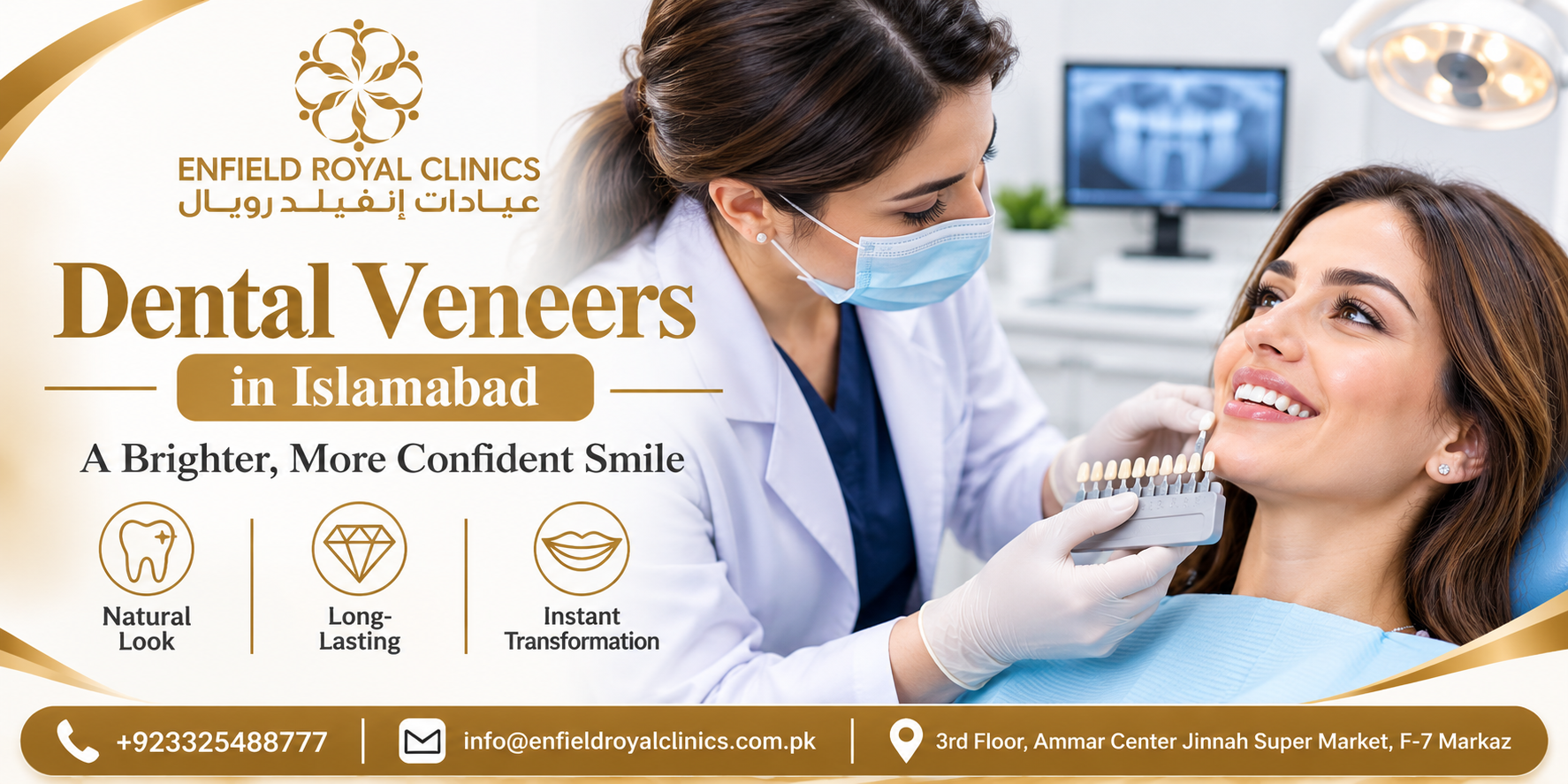
A healthy, attractive smile can make a person feel more comfortable in social and professional situations. However, tooth discolouration, small gaps, chipped edges, uneven shapes, and other cosmetic concerns can affect how adults feel about their smiles. Dental veneers offer a way to improve these visible imperfections while maintaining a natural-looking appearance.
Many adults consider veneers because their teeth may have changed over time due to ageing, everyday wear, staining, or previous dental work. The good news is that dental veneers can be suitable for adults of different ages, provided their teeth and gums are healthy and they meet the treatment requirements.
For individuals researching Dental Veneers in Islamabad, understanding candidacy, treatment options, and possible limitations can help them make an informed decision. Veneers are thin, custom-made shells bonded to the front surfaces of teeth. They can improve tooth colour, shape, size, and symmetry, but they are not the right solution for every dental condition.
1. Why Do Adults Consider Dental Veneers?
Adults may develop cosmetic dental concerns for several reasons. Years of drinking coffee, tea, or other staining beverages can gradually change tooth colour. Natural ageing can also affect enamel appearance, while everyday chewing and teeth grinding may cause uneven edges or surface wear.
Some adults have cosmetic imperfections that have been present since childhood, such as naturally small teeth, gaps, or irregular tooth shapes. Others may notice changes after previous dental treatments or minor injuries.
Dental veneers can address several of these concerns, including:
-
Persistent tooth discolouration that does not respond well to whitening.
-
Small gaps between front teeth.
-
Minor chips and worn tooth edges.
-
Uneven tooth shapes or sizes.
-
Slight cosmetic alignment irregularities.
-
Visible imperfections on the front surfaces of teeth.
Veneers are designed to improve appearance rather than treat every underlying dental problem. A dental examination helps identify whether the concern is cosmetic or requires restorative or orthodontic treatment.
2. Is There an Ideal Age for Getting Dental Veneers?
There is no single ideal age at which every adult should consider veneers. The more important factors are dental development, enamel condition, gum health, and the stability of the bite.
Adults whose permanent teeth and facial development are complete may be suitable candidates. However, suitability is not determined by age alone. A younger adult with healthy teeth may be a good candidate, while an older adult with untreated gum disease or weakened teeth may need other treatment first.
For older adults, the dentist may pay particular attention to gum recession, enamel wear, existing fillings, and changes in tooth position. These factors can affect how veneers fit and how natural the final result looks.
A proper assessment ensures that cosmetic improvements do not compromise the health or function of the natural teeth.
3. What Dental Problems Can Veneers Correct in Adults?
Veneers can improve several common cosmetic concerns that adults experience. Their main purpose is to change the visible appearance of selected teeth.
Tooth discolouration: Some stains are difficult to remove through whitening alone. Veneers can cover the visible surfaces and create a more consistent shade.
Chipped or worn teeth: Minor chips and uneven edges may be concealed with carefully designed restorations, helping restore a smoother tooth outline.
Small gaps: Veneers can sometimes make selected teeth appear slightly wider, reducing the appearance of small spaces.
Uneven tooth shapes: Teeth that appear too narrow, short, or irregular may be improved by adjusting their visible proportions.
Minor alignment concerns: Slight irregularities may sometimes be disguised, although veneers do not physically move teeth.
For adults considering Dental Veneers in Islamabad, treatment planning should focus on the condition of each tooth and the overall balance of the smile. Larger gaps, significant crowding, or major bite problems may require orthodontic treatment instead.
4. Which Type of Veneers Is Suitable for Adults?
The two commonly used veneer materials are porcelain and composite resin. Both can improve the appearance of teeth, but they differ in durability, appearance, and preparation requirements.
Porcelain veneers
Porcelain veneers are custom-made, usually in a dental laboratory. They are valued for their natural appearance, light-reflecting qualities, and resistance to many common stains.
With appropriate care, porcelain veneers commonly last around 10–15 years or longer, although their lifespan varies. Traditional porcelain veneers generally require some enamel removal, making the procedure irreversible.
Composite veneers
Composite veneers are made from tooth-coloured resin. They may be applied directly to the teeth and can often be completed in fewer visits. In suitable cases, they may require less preparation than traditional porcelain veneers.
Composite restorations can improve tooth colour and shape, but they are generally more prone to staining and chipping. They may also require polishing, repair, or replacement sooner than porcelain options.
The choice depends on the patient's dental condition, cosmetic expectations, oral habits, and preference. A dental professional can explain the benefits and limitations of each material.
5. Who May Not Be Suitable for Dental Veneers?
Although veneers can be helpful for many adults, certain dental conditions may make treatment unsuitable until the underlying problem has been addressed.
People with untreated tooth decay, active gum disease, or significant enamel damage may need restorative or periodontal care first. Veneers rely on a suitable tooth surface for bonding, so the condition of the natural enamel is important.
Other factors that may affect suitability include:
-
Severe tooth grinding or clenching.
-
Major bite irregularities.
-
Extensive cracks or structural damage.
-
Poor oral hygiene.
-
Insufficient healthy enamel for predictable bonding.
Patients who grind their teeth may place excessive pressure on veneers, increasing the risk of fractures or detachment. A protective night guard may be recommended where appropriate.
In cases involving extensive tooth damage, a crown may offer better protection. Orthodontic treatment may be more suitable for significant alignment problems. The best option depends on the underlying condition rather than cosmetic preference alone.
6. What Should Adults Expect During the Veneer Procedure?
The veneer process usually begins with a consultation and dental examination. The dentist discusses the patient's concerns, checks the teeth and gums, and determines whether veneers are appropriate.
If treatment is suitable, the process may include the following stages:
Treatment planning: The desired tooth shade, shape, and proportions are discussed. Photographs, impressions, or digital scans may help plan the result.
Tooth preparation: Traditional porcelain veneers usually require a small amount of enamel removal to make room for the restorations. Some conservative options may involve less preparation, depending on the case.
Impressions or scans: Measurements are taken to help create veneers that fit the teeth accurately.
Temporary restorations: Temporary veneers may be provided when needed while permanent porcelain veneers are being made.
Final placement: The finished veneers are checked for fit, colour, and bite before being bonded to the teeth.
The treatment timeline depends on the number of teeth involved, the selected material, and the complexity of the case. Patients should ask about preparation, expected sensitivity, and aftercare before beginning treatment.
7. How Can Adults Maintain Their Veneers?
Long-term results depend on protecting both the veneers and the natural teeth underneath them. Veneers do not prevent tooth decay or gum disease, so regular oral hygiene remains essential.
Adults can maintain their smile by brushing twice daily with a soft-bristled toothbrush, flossing every day, and attending routine dental check-ups. Avoiding habits such as biting fingernails, chewing ice, or opening packages with the teeth can reduce the risk of damage.
Patients who grind or clench their teeth should discuss protective options with their dental professional. They should also contact the dentist if a veneer feels loose, becomes chipped, or causes discomfort when biting.
With suitable treatment planning and consistent care, veneers can provide long-lasting cosmetic improvements. For adults exploring Dental Veneers in Islamabad, an individual assessment is the best way to understand whether the treatment can meet their expectations.
For more information visit Enfield royal clinic in islamabad
Frequently Asked Questions
1. Can adults get dental veneers at any age?
Many adults can receive veneers once their permanent teeth and dental development are complete. However, suitability depends more on tooth structure, gum health, and bite condition than age alone.
2. Are dental veneers suitable for adults over 40?
Yes. Adults over 40 may be suitable candidates if their teeth and gums are healthy. A dental examination helps identify age-related concerns such as enamel wear, gum recession, or existing restorations.
3. Can veneers improve yellow teeth in adults?
Veneers can cover persistent discolouration and create a brighter, more uniform appearance. Professional whitening may be a less invasive alternative when stains are suitable for bleaching.
4. Are veneers better than teeth whitening?
Neither treatment is better for everyone. Whitening improves the colour of natural teeth, while veneers can change colour, shape, and size. The appropriate option depends on the patient's cosmetic concerns and dental condition.
5. Do adults need to remove their natural teeth for veneers?
No. Veneers are bonded to the front surfaces of existing teeth. Traditional porcelain veneers usually require a small amount of enamel removal, but the natural teeth are not removed.
6. How long do dental veneers last in adults?
Porcelain veneers commonly last around 10–15 years or longer, while composite veneers often last around 5–7 years. Actual lifespan depends on material, oral hygiene, bite pressure, and daily habits.
Dental veneers can be a suitable cosmetic option for adults who want to improve stained, chipped, uneven, or slightly misaligned teeth. Age alone does not determine eligibility. Healthy teeth and gums, realistic expectations, and careful treatment planning are the key factors in achieving a comfortable, natural-looking smile.

 Arabic
 French
 Spanish
 Portuguese
 Deutsch
 Turkish
 Dutch
 Italiano
 Russian
 Romaian
 Portuguese (Brazil)
 Greek