


RHFAC certification readiness: Prepare Buildings for All Now
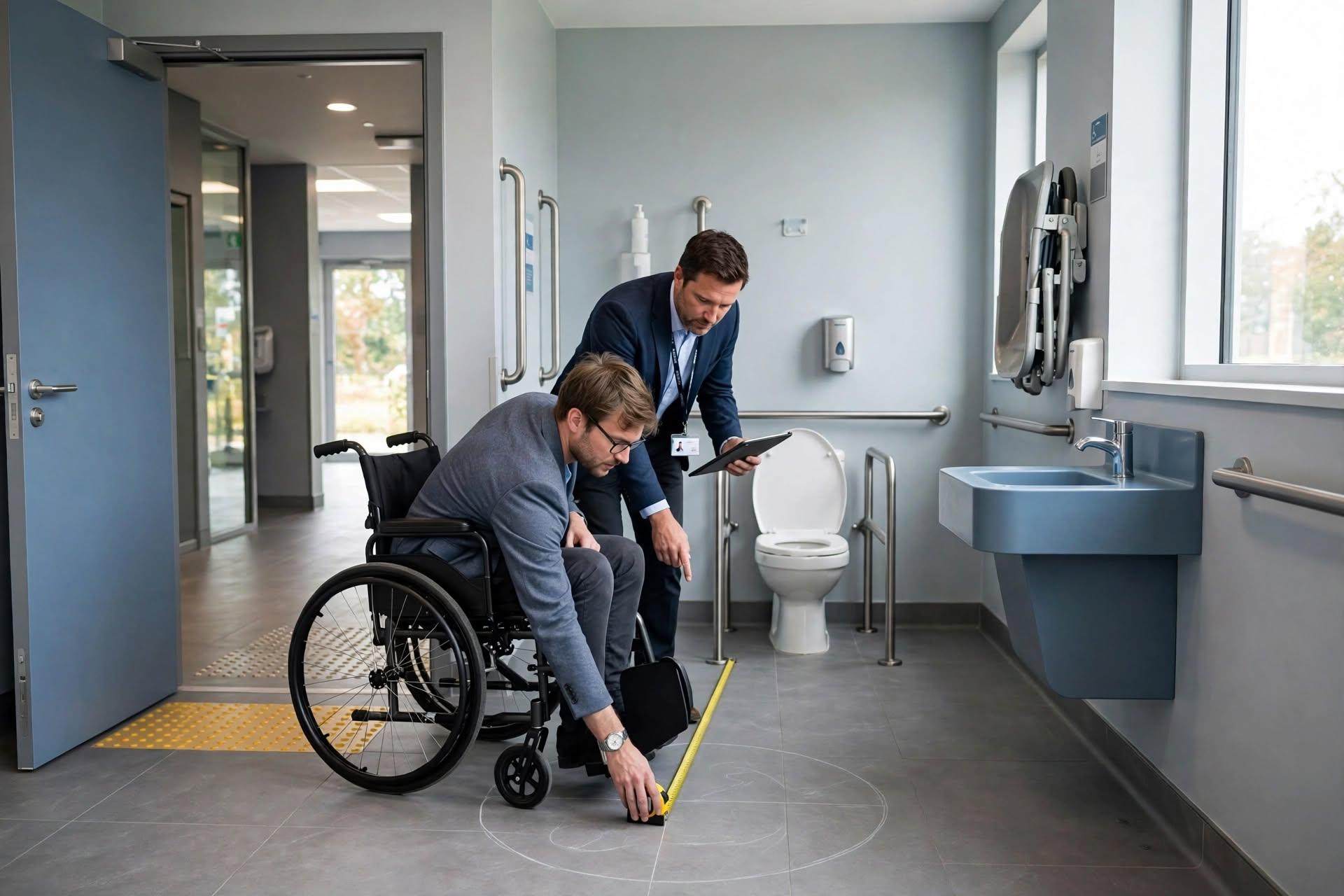
An existing building can appear accessible at first glance while still presenting difficulties for people with different mobility, sensory or other access requirements. A structured RHFAC certification readiness review helps building owners understand how well their facility is prepared for an accessibility assessment and where further attention may be needed. Rather than relying on assumptions, the process considers the building's actual conditions, relevant requirements and supporting information.
For property managers, facility operators and owners, preparation is an opportunity to understand the current state of a building before moving towards a formal review. It can also help teams organise improvements in a more informed and practical way.
Begin with an honest picture of the building
Before preparing for an accessibility certification process, an organisation needs to understand what its building currently provides. A facility may have accessible parking, an entrance ramp and an accessible washroom, but these features alone do not establish that the entire environment is usable.
People experience buildings as connected spaces. They arrive, find an entrance, move through corridors, use facilities and access services. A difficulty at one stage can affect the rest of the experience. An assessment should therefore consider the overall environment rather than focus on a few visible features.
Vortex Access provides built-environment accessibility audits to identify physical barriers and develop practical recommendations. Depending on the facility and the scope of review, relevant areas may include:
-
Parking spaces, drop-off points and pedestrian approaches.
-
Entrance routes, doorways and access controls.
-
Corridors, ramps, stairs, lifts and changes in level.
-
Reception areas, counters and shared facilities.
-
Washrooms, seating and other user amenities.
-
Signage, wayfinding, lighting and visual contrast.
-
Emergency arrangements and routes of egress.
A building assessment can help identify where conditions may restrict independent use. For example, a route may be technically present but difficult to navigate because of its layout. A service counter may be available but not accommodate different user needs. Recording these details gives owners a clearer understanding of what should be reviewed or improved.
Understand what the certification process requires
Once the existing conditions are understood, the next step is to consider the relevant certification requirements and the evidence needed to demonstrate performance. This is where preparation becomes more than a general building inspection.
The Rick Hansen Foundation Accessibility Certification process assesses the meaningful accessibility of the built environment. Preparing for a review requires attention to the facility itself as well as the information that supports the assessment.
A universal design consultant can help a project team look beyond individual technical features and consider whether the environment supports a broad range of users. This perspective is useful when reviewing circulation, facilities, signage, service areas and other parts of the building experience.
Preparation may involve checking available drawings, reviewing existing accessibility information, examining site conditions and identifying areas where further documentation or investigation is needed. The exact scope depends on the building and the requirements of the relevant assessment.
It is important to distinguish readiness support from certification itself. A consultant can help identify potential gaps and prepare a facility for assessment, but the formal certification outcome is determined through the applicable certification process.
Turn findings into a manageable improvement plan
An assessment is most useful when its observations lead to clear next steps. A long list of issues without priorities can make it difficult for building owners to decide where to begin. Organising findings according to their nature, impact and practical requirements can make the improvement process easier to manage.
For instance, some findings may relate to physical changes, while others may involve information, signage or operational arrangements. Certain improvements may be relatively straightforward, whereas others could require design coordination, funding or additional technical review.
A universal design consultant can contribute by helping teams consider how proposed improvements affect different users, not only whether one specific feature meets a measurement. This can support decisions that improve usability and dignity alongside compliance considerations.
A practical action plan may include:
-
A record of the observed accessibility conditions.
-
Identification of barriers and areas requiring further review.
-
Recommendations linked to the relevant building features.
-
A suggested order for addressing outstanding issues.
-
Responsibilities for the people managing each action.
-
A record of documents or evidence that still needs to be prepared.
This gives property teams a reference they can use during budgeting, maintenance planning and future refurbishment discussions.
Conclusion
Preparing an existing building for an accessibility assessment begins with understanding how people experience it. A structured review helps owners identify barriers, examine supporting information and decide which improvements deserve attention.
Working with a universal design consultant can also help teams consider usability across a wider range of needs, rather than approaching accessibility as a collection of isolated features. Careful preparation supports a more informed certification journey and encourages buildings to become safer, more inclusive and easier to use.
FAQ
1. What does certification readiness mean?
It means reviewing a building and its supporting information to understand whether it is prepared for the relevant accessibility certification assessment. It can identify gaps that should be addressed before the formal process.
2. Does readiness review guarantee certification?
No. A readiness review helps identify potential issues and prepare a facility. It does not guarantee a particular certification outcome or replace the formal assessment.
3. Which parts of an existing building may need attention?
The review may consider parking, entrances, circulation, lifts, ramps, washrooms, reception areas, signage, facilities and emergency arrangements, depending on the project scope.
4. Why are supporting documents important?
Drawings, records and other relevant information help the project team understand the building and prepare for the assessment process. Missing or outdated information may need further attention.

 English
 Arabic
 French
 Spanish
 Portuguese
 Turkish
 Dutch
 Italiano
 Russian
 Romaian
 Portuguese (Brazil)
 Greek