


Leather and Trench Coats: Timeless Styles Making a Comeback in 2026
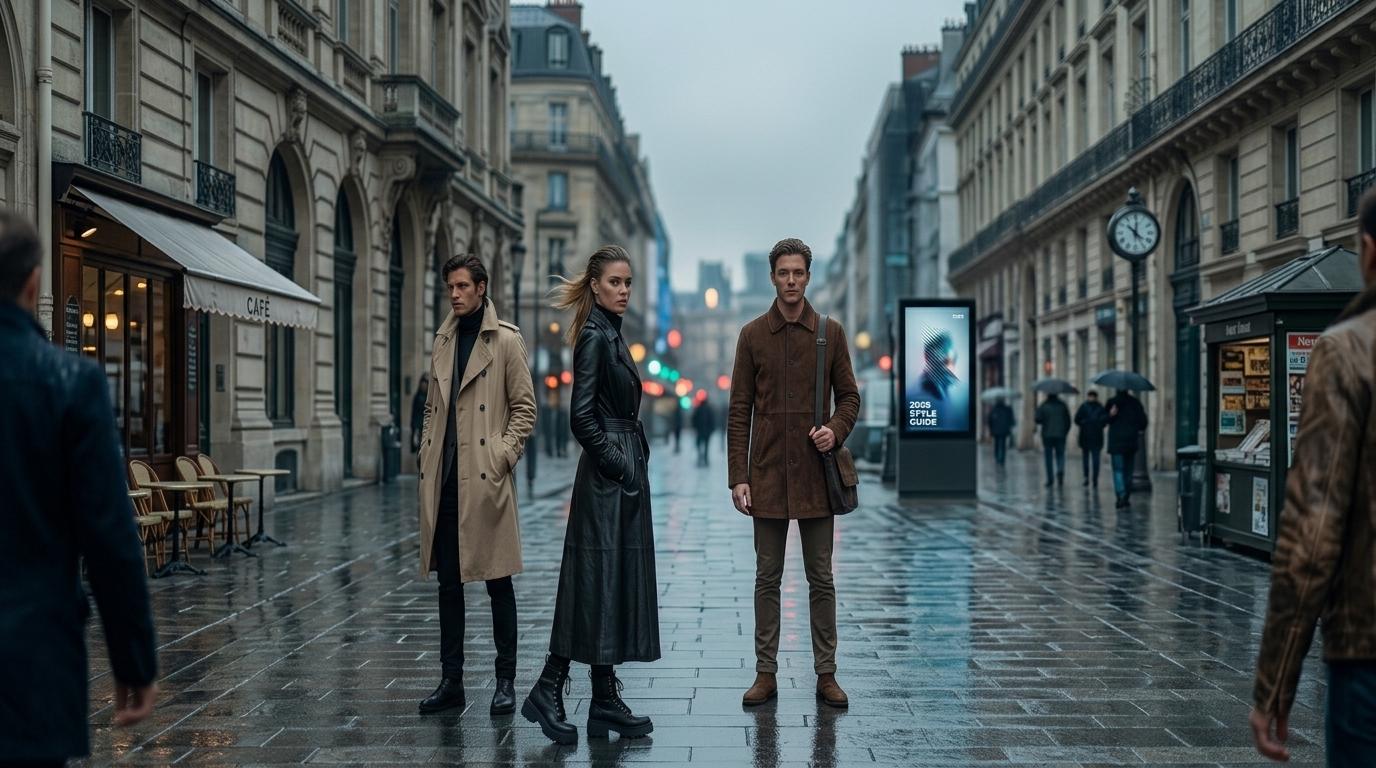
Fashion keeps moving, but some outerwear never really disappears. It simply waits for the right moment to feel relevant again. In 2026, longer coats are returning with a stronger presence in menswear, driven by renewed interest in tailoring, layered dressing, and pieces that work beyond a single season.
The appeal is easy to understand. A well-cut coat can sharpen denim, add structure to knitwear, or make simple trousers look more considered. Leather brings texture and attitude, while trench-inspired designs offer cleaner lines and a refined finish. Both give men an alternative to short jackets without making everyday outfits feel overly formal.
Why Longer Coats Feel Relevant Again
Recent menswear collections have shown more attention to proportion, strong shoulders, and outerwear that becomes the main visual feature of an outfit. GQ highlighted the return of trenches within Fall 2026 menswear, while Vogue has also documented long, sweeping trench shapes across recent collections.
This shift works especially well for men who prefer simple wardrobes because one distinctive coat can do much of the styling work.
Long coats also create a stronger vertical line. That makes them useful with straight-leg jeans, tailored trousers, knitwear, and relaxed streetwear. A coat with more volume should usually be paired with cleaner layers underneath so the overall look remains controlled.
For everyday use, think about commuting, sitting, driving, and the type of clothing you normally wear underneath before choosing an especially dramatic length.
Leather Is Moving Beyond the Biker Jacket
Leather outerwear is no longer limited to cropped motorcycle shapes. Longer cuts offer the same rich surface and character in a more polished format. Leather also remained highly visible in men’s fashion during 2026, including long-coat interpretations alongside shorter jacket styles.
A long leather coat works best when the rest of the outfit stays relatively simple. Black trousers, a fine knit, and minimal boots allow the material to become the focal point. Brown leather feels softer and more relaxed with cream, charcoal, olive, or dark denim.
Different coat lengths, collar styles, and leather finishes can create noticeably different looks, so exploring Men's Leather Coats can help identify a style that suits your wardrobe and preferred way of dressing.
Choose the Right Finish
Glossy leather tends to look bolder and more directional. Matte or lightly textured leather usually feels easier to wear with casual clothing.
If versatility matters, look for restrained hardware, a clean front, and enough room for a sweater without making the coat appear oversized.
The Trench Coat Is Becoming More Flexible
The trench has traditionally been associated with smart dressing, but modern styling has made it far less formal. In 2026, some of the strongest looks mix classic coat construction with relaxed clothing underneath.
A trench can work over a hoodie, knitted polo, sweatshirt, or plain T-shirt. It also pairs naturally with straight or wider trousers. This contrast keeps the coat from feeling too corporate while preserving its clean structure.
For men exploring belt details, lapel shapes, darker palettes, or longer cuts, a collection of Men's Trench Coats can help compare how traditional trench elements translate into modern outfits.
Belted or Open?
A belted coat gives the body more shape and works well with tailored clothing. Wearing it open creates a straighter line and feels more relaxed.
For casual outfits, leaving the belt loosely tied at the back can keep the front clean. For dressier occasions, fastening the coat creates a more defined appearance.
Getting Coat Length Right
Length changes the entire effect of an outfit. A coat that ends around mid-thigh is generally easier for daily wear, while knee-length and below-the-knee styles feel more dramatic.
Taller men often have more freedom with long coats for men because the extra fabric remains proportionate. Shorter men can still wear longer styles, but cleaner lines and a controlled fit become more important.
Footwear matters as well. Boots naturally support the visual weight of a long coat, while sleek sneakers create a useful high-low contrast.
Layering Without Adding Too Much Bulk
A common mistake with men’s winter coats is choosing heavy layers everywhere. A substantial outer layer already adds volume, so the clothing underneath should be selected carefully.
Start with a lightweight base layer. Add a fine knit, sweatshirt, or overshirt depending on the temperature. Then use the coat as the final structured layer. This creates warmth while keeping the shape clean.
For very cold weather, prioritize enough room through the chest and shoulders. A coat that looks sharp but restricts movement will quickly become frustrating.
Watch the Shoulder Line
The shoulder area tells you whether a coat fits correctly. A tailored design should sit close to your natural shoulder point, while a relaxed coat can extend slightly beyond it.
If the sleeves collapse, the upper back pulls, or the collar lifts away from the neck, try a different size or cut.
Easy Ways to Style Long Coats
The strongest coat outfits usually rely on simple combinations rather than too many statement pieces.
For a clean city look, pair a dark coat with straight trousers, a crew-neck sweater, and leather boots. For a casual outfit, use denim, a plain sweatshirt, and understated sneakers. If you prefer classic men’s outerwear, combine a trench with tailored trousers and a knitted polo instead of a full shirt-and-tie combination.
Color coordination also matters. Black works naturally with grey, white, navy, and deep green. Brown pairs well with cream, beige, indigo, and muted earth tones. When the coat has a strong texture, keep prints and logos limited.
Accessories should support the coat rather than compete with it. A scarf, structured bag, or simple leather gloves can add interest without disrupting the main lines of the outfit.
What to Look for Before Buying
Start with your actual wardrobe. A coat is more useful when it works with clothes you already own.
Check the shoulder fit, sleeve length, closure, lining, pockets, and room for layering. Consider whether you need something for commuting, evenings, travel, or everyday winter use.
Also think about care. Leather requires different maintenance from woven trench materials, and both benefit from proper storage. Use a supportive hanger and avoid packing long coats tightly into crowded wardrobes.
Conclusion
The return of longer outerwear in 2026 reflects a broader move toward stronger proportions, practical layering, and clothing with more visual presence. Leather adds texture and character, while trench-inspired designs bring structure without demanding formal styling.
The best choice depends on how you dress, where you wear it, and how much versatility you expect from one piece. Focus on fit, usable length, comfortable layering room, and colors that work with your existing wardrobe. When those details are right, a long coat becomes more than a seasonal trend. It becomes a dependable part of everyday style.

 Arabic
 French
 Spanish
 Portuguese
 Deutsch
 Turkish
 Dutch
 Italiano
 Russian
 Romaian
 Portuguese (Brazil)
 Greek