


How Thermal Imaging Helps Protect Your Home
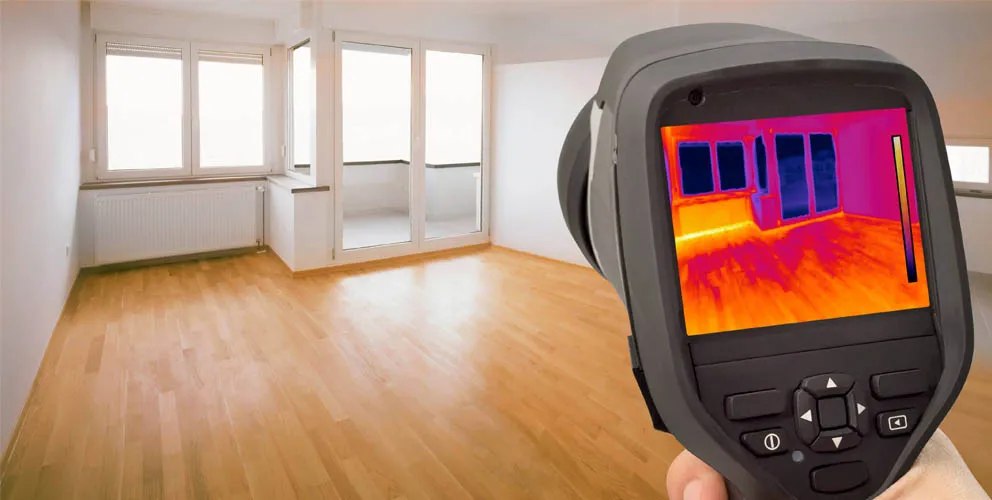
A home can have hidden problems even when every room looks clean and well maintained. Cold spots, unexplained energy bills, damp walls, and uneven indoor temperatures may point to issues that are difficult to find through a basic visual check. These problems can develop behind walls, beneath floors, or around windows and doors. A Home Thermal Inspection uses infrared camera technology to identify unusual temperature patterns across different surfaces. The information can help homeowners investigate possible insulation gaps, air leaks, moisture concerns, and other building issues before they become more expensive to address.
Understanding How Thermal Imaging Works
Thermal cameras detect infrared energy released by objects and display temperature differences as a colored image. Warmer and cooler areas appear in different shades, allowing an inspector to notice patterns that may not be visible to the naked eye. During a Home Thermal Inspection, the inspector scans selected parts of the property and examines areas with unusual temperature readings. The camera does not see through walls or directly identify hidden damage. Instead, it provides clues based on surface temperatures. These clues can guide further testing and help determine whether a building area needs closer attention.
Finding Hidden Insulation Gaps
Insulation helps maintain comfortable indoor temperatures by slowing the movement of heat through walls, ceilings, and floors. When insulation is missing, damaged, or poorly installed, certain areas may become noticeably warmer or colder than surrounding surfaces. Homeowners might experience uncomfortable rooms or higher heating and cooling costs without understanding the reason. A Home Thermal Inspection in Rochester can highlight temperature patterns that may indicate insulation problems. Inspectors may check exterior walls, attic areas, ceilings, and other parts of the building envelope. The results can help identify locations where additional insulation checks or improvements may be useful.
Detecting Air Leaks Around Openings
Small gaps around windows, doors, electrical outlets, and other openings can allow outside air to enter the home. These leaks may create drafts and make heating or cooling systems work harder to maintain comfortable conditions. Thermal imaging can help identify unusual temperature patterns near these areas. During a Home Thermal Inspection, an inspector may examine window frames, door edges, ceiling joints, and connections between different building materials. Some inspections may also use other testing methods to confirm air movement. Finding possible leakage points gives homeowners a clearer idea of where weatherstripping, sealing, or additional repairs may be needed.
Identifying Possible Moisture Problems
Water can enter a home through damaged roofs, leaking pipes, faulty plumbing connections, or gaps around exterior walls. Sometimes moisture spreads inside building materials before visible stains or peeling paint appear. Wet materials may show different temperature patterns because they can heat and cool differently from dry surfaces. A Home Thermal Inspection can help locate areas that deserve additional moisture testing. However, an infrared camera does not directly measure water content or confirm mold growth. Inspectors may use moisture meters and visual examination to investigate suspicious areas and determine whether repairs or further assessment are necessary.
Examining Electrical Components for Heat
Electrical systems need regular attention because loose connections, overloaded circuits, and damaged components can produce excessive heat. These issues may develop inside electrical panels or at accessible connections without obvious external warning signs. Infrared technology can help identify unusual temperature differences in electrical equipment when it is operating under suitable conditions. A Home Thermal Inspection may include a scan of accessible electrical areas when this service is within the inspector's qualifications. Any unusual heating should be evaluated by a licensed electrician. Thermal imaging can identify a possible concern, but it does not replace electrical testing or a complete safety assessment.
Checking Heating and Cooling Performance
A heating and cooling system should distribute conditioned air throughout the home as evenly as its design allows. Blocked ducts, restricted airflow, damaged connections, or equipment problems may lead to uncomfortable temperature differences between rooms. Infrared cameras can help examine accessible ductwork, vents, heating equipment, and cooling components. A Home Thermal Inspection may reveal patterns that suggest uneven heat distribution or areas requiring further investigation. The findings can help guide maintenance decisions and identify possible reasons for inconsistent comfort. Regular servicing remains important because thermal images alone cannot establish the exact cause of an HVAC problem.
Why Thermal Imaging Helps Homebuyers
Buying a house is a major decision, and visible appearance does not always reveal the complete condition of a property. Insulation gaps, moisture concerns, and air leaks may remain unnoticed during an ordinary walkthrough. A Home Thermal Inspection can provide additional information by identifying temperature patterns that deserve closer examination. Buyers may use the findings to request further testing, discuss repairs, or ask questions before completing a purchase. Thermal imaging works best as part of a broader property assessment. It should not replace a standard home inspection or be treated as a guarantee that every hidden problem will be discovered.
Preparing Your Property for Testing
Proper preparation can help an inspector collect useful thermal images. Certain inspections require a noticeable temperature difference between indoor and outdoor conditions, so weather and building operation can affect the results. Homeowners may be asked to keep doors and windows closed, operate heating or cooling equipment, or provide access to selected rooms and utility areas. Before a Home Thermal Inspection, it is helpful to explain any known problems, such as cold rooms, recurring drafts, water stains, or unusual energy costs. Sharing these details allows the inspector to focus on areas that may need special attention.
Understanding Results and Planning Repairs
Thermal images should always be interpreted with care because sunlight, reflective surfaces, weather, and airflow can influence surface temperatures. An unusual pattern does not automatically prove that a building defect exists. A Home Thermal Inspection report can identify areas where additional checks may be appropriate, but further testing is often needed to confirm the cause. Depending on the findings, homeowners may need an insulation assessment, moisture measurement, electrical evaluation, or HVAC service. Using the results alongside other inspection methods helps property owners choose suitable repairs instead of spending money based on assumptions.
Keep Your Home Comfortable and Well Maintained
Small building problems can gradually affect indoor comfort, energy use, and the condition of different materials. Finding these concerns early gives homeowners more time to understand their options and plan necessary improvements. A Home Thermal Inspection offers useful insight into temperature patterns that may point toward hidden issues with insulation, moisture, air leakage, or equipment performance. It is not a replacement for other professional inspections, but it can add valuable information to a home maintenance plan. With careful testing and appropriate follow-up, homeowners can make better decisions and maintain a more comfortable living environment.

 Arabic
 French
 Spanish
 Portuguese
 Deutsch
 Turkish
 Dutch
 Italiano
 Russian
 Romaian
 Portuguese (Brazil)
 Greek