


Car Service in Dubai: How Regular Maintenance Improves Fuel Efficiency and Vehicle Performance
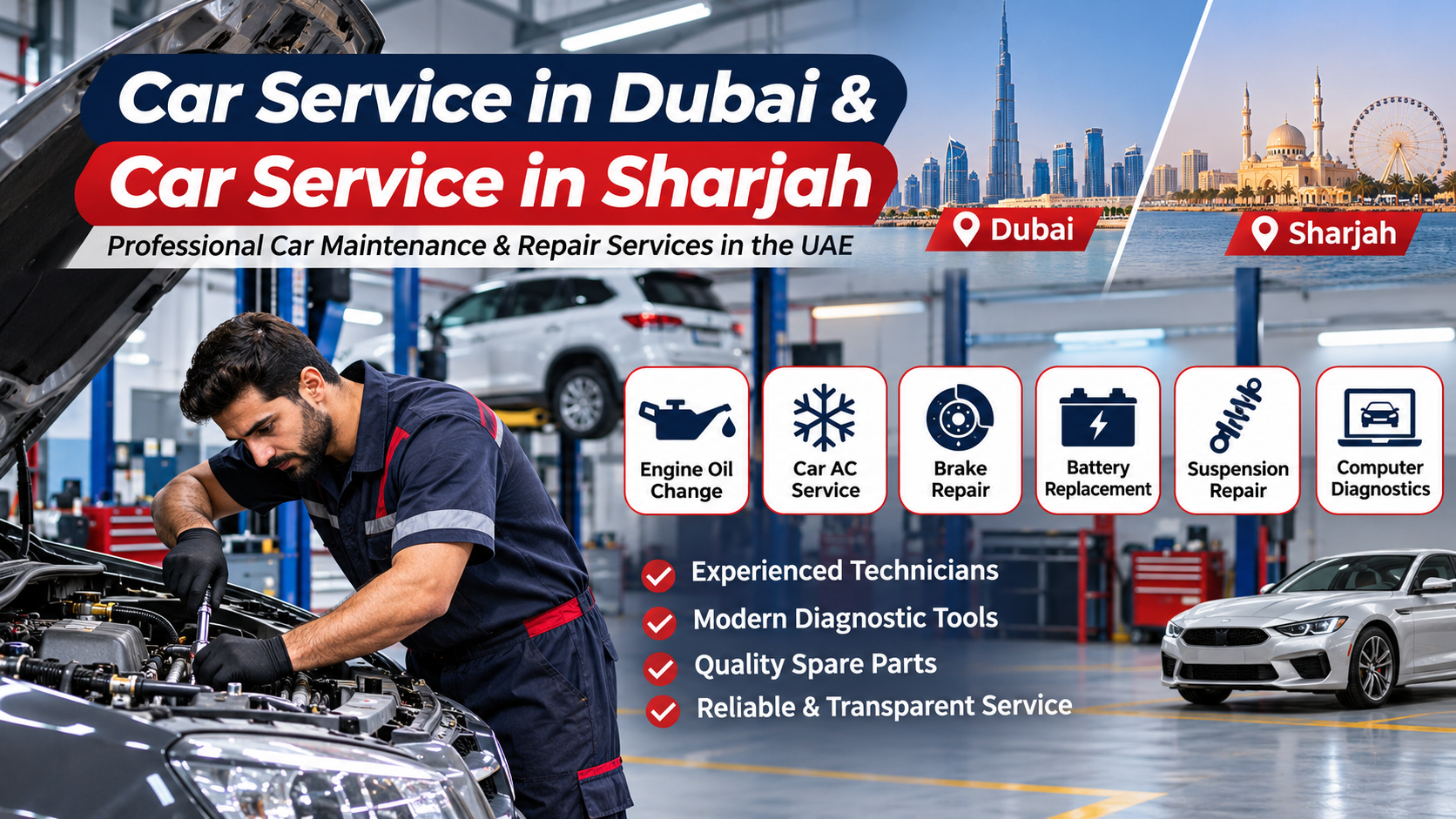
Fuel efficiency is an important concern for car owners in Dubai. Whether you drive daily to the office, travel between cities, or use your vehicle for business, fuel expenses can become a significant part of your monthly budget.
Many drivers believe that fuel consumption depends only on the car's engine size and driving style. However, vehicle maintenance also plays an important role.
Regular car service in Dubai helps maintain engine performance, identify mechanical problems, and keep important vehicle components working correctly. A properly maintained vehicle may use fuel more efficiently and provide a smoother driving experience.
In this article, we will explain how maintenance affects fuel consumption, which components require attention, and how Dubai drivers can reduce unnecessary vehicle expenses.
The Connection Between Car Maintenance and Fuel Efficiency
Your car uses fuel to generate the power needed for driving. Several mechanical and electronic systems work together to control fuel delivery, combustion, and engine performance.
When these systems are not working correctly, fuel consumption may increase.
For example, incorrect tyre pressure creates additional rolling resistance. Faulty engine sensors may affect fuel delivery, while neglected engine maintenance can reduce overall efficiency.
Regular servicing helps identify these problems and maintain the vehicle's intended performance.
However, servicing does not guarantee a specific improvement in fuel economy. The results depend on the vehicle's condition, driving habits, traffic, and other factors.
7 Car Maintenance Factors That Can Affect Fuel Consumption
1. Engine Oil Quality and Condition
Engine oil reduces friction between moving engine components.
Using the correct oil grade helps the engine operate as designed. Old or unsuitable oil may increase friction or contribute to engine wear.
Drivers should follow the manufacturer's recommended oil specification and replacement schedule.
Regular oil changes are an important part of preventive maintenance.
2. Tyre Pressure
Tyre pressure has a direct effect on rolling resistance.
Underinflated tyres require more energy to move, which can increase fuel consumption.
Incorrect tyre pressure can also affect handling, braking, and tyre lifespan.
Check tyre pressure when the tyres are cold and use the values recommended by your vehicle manufacturer.
3. Engine Air Filter Condition
The engine air filter prevents dust and debris from entering the engine.
Dubai's dusty environment can make filter inspections particularly important.
A heavily blocked filter may affect engine performance. In some vehicles, it can also influence fuel efficiency.
Replace the filter according to the manufacturer's recommendations or when inspection shows that replacement is needed.
4. Spark Plugs and Ignition Components
Petrol engines use spark plugs to ignite the air-fuel mixture.
Worn spark plugs or faulty ignition components may cause misfires, rough idling, and reduced engine performance.
These problems can also increase fuel consumption.
Regular inspections help identify ignition faults before they become more serious.
5. Fuel Injection System
Fuel injectors deliver fuel into the engine in controlled amounts.
When injectors become faulty or restricted, engine performance may suffer.
Symptoms can include rough idling, hesitation, poor acceleration, and increased fuel consumption.
Professional diagnosis is important before deciding whether cleaning, repair, or replacement is necessary.
6. Wheel Alignment and Tyre Condition
Incorrect wheel alignment can contribute to uneven tyre wear and poor vehicle handling.
In some cases, alignment problems may increase rolling resistance.
Maintaining proper alignment and replacing damaged tyres helps support safe and efficient driving.
7. Engine Sensors and Electronic Systems
Modern vehicles use sensors to monitor engine operation.
Faulty oxygen sensors, airflow sensors, and other electronic components can affect fuel management.
Computerized diagnostics can help technicians identify relevant faults.
Drivers experiencing unusual fuel consumption may benefit from professional car repair in Dubai to investigate possible mechanical or electronic problems.
Why Fuel Consumption May Increase During Dubai Summers
Dubai's summer temperatures can influence vehicle fuel consumption in several ways.
Increased Air Conditioning Use
Air conditioning places an additional load on the engine or electrical system.
During hot weather, the AC system may need to work harder to maintain a comfortable cabin temperature.
This can increase energy consumption.
Heavy Traffic and Idling
Traffic congestion often involves frequent stopping, acceleration, and prolonged idling.
Vehicles generally use more fuel per kilometre in heavy traffic than during steady, efficient driving.
Tyre Pressure Changes
Tyre pressure changes with temperature.
Drivers should check pressure when tyres are cold rather than adjusting it immediately after a long drive.
Cooling System Performance
A properly working cooling system helps the engine maintain its intended operating temperature.
Cooling system problems can affect reliability and may lead to serious mechanical damage.
These conditions make preventive vehicle maintenance especially valuable in Dubai.
How Professional Car Servicing Supports Engine Performance
A car engine contains many moving parts that must work together correctly.
Professional maintenance helps keep these components in suitable operating condition.
Depending on the vehicle and service requirements, technicians may inspect:
-
Engine oil and filters
-
Spark plugs and ignition components
-
Cooling system
-
Battery and charging system
-
Fuel delivery components
-
Engine sensors
-
Tyres and brakes
-
Fluid levels and visible leaks
Regular car service in Dubai can help identify problems that affect vehicle performance and reliability.
Driving Habits That Can Help Save Fuel
Maintenance is only one part of fuel efficiency. Driving behaviour also makes a difference.
Avoid Sudden Acceleration
Rapid acceleration can increase fuel consumption.
Smooth acceleration helps reduce unnecessary energy use.
Maintain a Steady Speed
Frequent changes in speed can increase fuel usage.
When road conditions permit, maintaining a steady and appropriate speed can improve efficiency.
Avoid Unnecessary Idling
Leaving the engine running while parked wastes fuel.
Follow the vehicle manufacturer's guidance for engine stop-start operation.
Remove Unnecessary Weight
Carrying heavy items that are not needed increases the load on the vehicle.
Removing unnecessary cargo may help reduce fuel consumption.
Plan Your Journeys
Combining errands and avoiding unnecessary trips can reduce total fuel usage.
Maintain Correct Tyre Pressure
Properly inflated tyres support safe handling and efficient operation.
These simple habits can help drivers manage fuel expenses without making major changes to their vehicles.
When Poor Fuel Economy Indicates a Mechanical Problem
Fuel consumption can vary because of traffic, weather, road conditions, and driving style.
However, a sudden or unexplained increase may indicate a mechanical problem.
Warning signs include:
Rough Engine Idling: The engine shakes or runs unevenly while stationary.
Reduced Acceleration: The vehicle feels less responsive than usual.
Check Engine Light: A warning light indicates that a system requires investigation.
Unusual Exhaust Smoke: Excessive smoke may suggest combustion or engine problems.
Strong Fuel Smell: A fuel smell may indicate a leak or another potentially dangerous fault.
Engine Misfiring: The engine hesitates, shakes, or loses power during operation.
If you notice these symptoms, arrange an inspection with a qualified technician.
A suspected fuel leak requires immediate attention. Stop the vehicle safely, switch off the engine, and seek professional assistance.
Choosing a Reliable Car Maintenance Provider in Dubai
When selecting a garage, look for technicians who understand your vehicle's make and model.
A suitable service provider should offer proper inspections, clear repair explanations, and transparent pricing.
Modern diagnostic equipment can help identify engine management and electrical faults.
Before approving repairs, ask about the expected cost, replacement parts, and warranty terms.
For drivers looking for car repair in Dubai, selecting a garage that focuses on accurate diagnosis can help avoid unnecessary component replacement.
A Simple Fuel-Efficiency Maintenance Checklist
| Maintenance Item | Why It Matters |
|---|---|
| Engine Oil | Helps maintain proper engine lubrication |
| Tyre Pressure | Reduces unnecessary rolling resistance |
| Air Filter | Supports proper engine airflow |
| Spark Plugs | Help maintain correct combustion in petrol engines |
| Engine Sensors | Support accurate engine management |
| Wheel Alignment | Helps maintain tyre condition and handling |
| Cooling System | Maintains suitable engine operating temperature |
| Fuel System | Supports reliable fuel delivery |
Follow your vehicle manufacturer's schedule for inspections and replacement intervals.
Frequently Asked Questions
Can regular car servicing improve fuel efficiency?
Yes. Correcting problems such as low tyre pressure, faulty sensors, or ignition issues can help restore fuel efficiency. The actual benefit depends on the vehicle's condition.
Does using the car AC increase fuel consumption?
Air conditioning requires energy and can increase fuel consumption, particularly during hot weather.
How often should I check tyre pressure in Dubai?
Check tyre pressure regularly, ideally at least once a month and before long journeys. Always follow your vehicle manufacturer's recommendations.
Can dirty spark plugs increase fuel consumption?
Worn or faulty spark plugs can cause poor combustion and misfires, which may increase fuel consumption.
Why is my car suddenly using more petrol?
Possible causes include changes in traffic, driving conditions, tyre pressure, engine sensors, ignition components, or fuel system performance.
Should I get engine diagnostics for poor fuel economy?
If fuel consumption increases unexpectedly, professional diagnostics may help identify mechanical or electronic faults.
Conclusion
Fuel efficiency depends on several factors, including driving habits, traffic conditions, vehicle design, and maintenance.
Dubai's hot climate and busy roads make proper vehicle care particularly important.
Regular inspections of engine oil, tyres, ignition components, cooling systems, and electronic sensors can help maintain reliable performance and identify problems early.
Choosing professional car service in Dubai and following the manufacturer's maintenance schedule can help drivers protect their vehicles and manage long-term operating expenses.
A well-maintained car not only provides a smoother driving experience but can also help reduce avoidable fuel consumption and unexpected repair costs.

 Arabic
 French
 Spanish
 Portuguese
 Deutsch
 Turkish
 Dutch
 Italiano
 Russian
 Romaian
 Portuguese (Brazil)
 Greek