


U4gm Arc Raiders Hydra Staggered Peek Guide
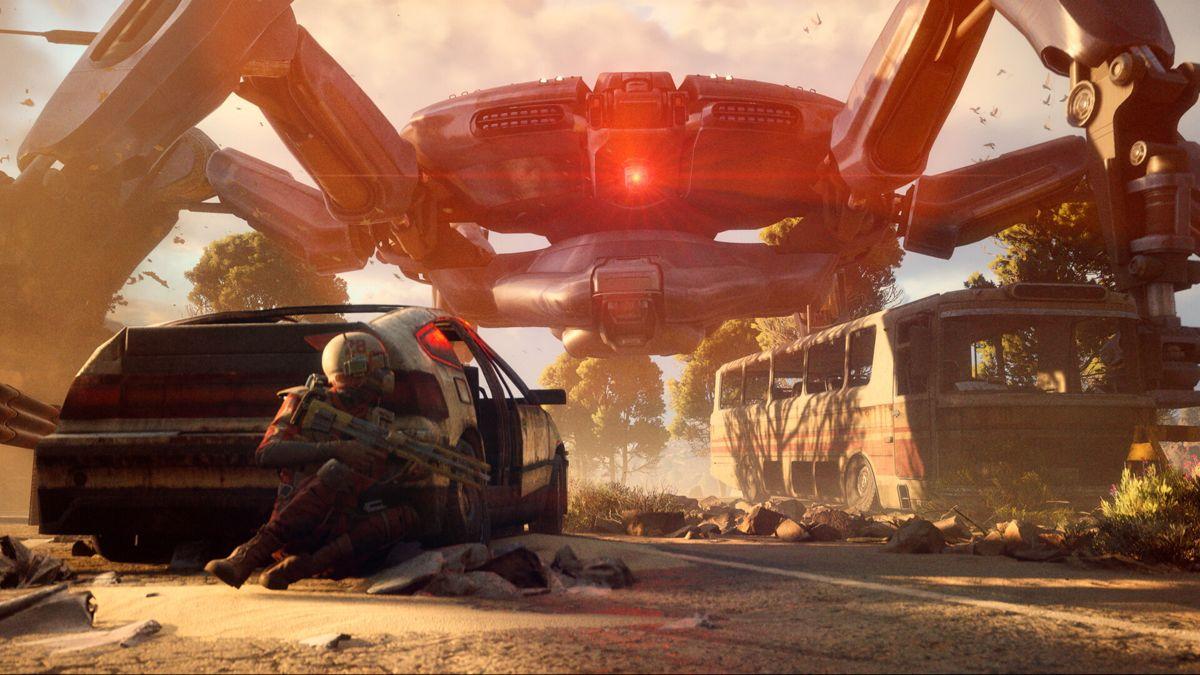
Hydra used to reward a simple reaction: throw a Lure Grenade, wait for its attention to shift, then unload while the machine focused elsewhere. The 2.6.0 update changes that rhythm, making the encounter more demanding for squads that rely on instant exposure. Even players reviewing ARC Raiders BluePrints should treat the lure as a movement tool rather than a guaranteed opening.
The important change is selective targeting. Hydra now directs only some weapons toward Lure Grenades while continuing to aim other systems at Raiders. That distinction turns positioning into the deciding factor. A lure can absorb part of the pressure and still leave every visible teammate in danger.
The Squad Mistake That Exposes Everyone
Consider a three-player squad approaching Hydra from a broken wall. One Raider throws a lure into the open and all three teammates immediately step out to fire. Some of Hydra's weapons turn toward the device, but the remaining systems continue tracking the exposed players. Instead of creating a quiet damage window, the lure divides the machine's attention while the squad presents three easy targets.
The result is especially harsh when everyone fires at once. Muzzle flashes reveal every position, movement becomes predictable, and the squad has no reserve player watching for a change in targeting. The lure may survive for several seconds, yet the team still loses armor because it confused partial distraction with full suppression.
Staggered Peeks Preserve the Advantage
A stronger approach uses separate cover positions and different timing. The first Raider throws the lure, then stays behind cover to watch Hydra's response. A second player peeks briefly from the left, fires a controlled burst, and retreats. Only after Hydra remains focused on the lure or another target does the third player appear from a different angle.
This sequence reveals which weapons remain directed at Raiders. If a tracking beam follows the first peek instead of the lure, that player calls a warning and the team pauses. If Hydra's heavier fire turns toward the device while a smaller weapon keeps searching player positions, each Raider can expose only the amount of body needed for a short shot.
What Solo Players Should Watch
Solo players can use a lure to create movement time, but standing still wastes its value. Throw it across the intended escape route, move immediately to cover, and observe whether Hydra's aim actually changes. The goal is to cross a dangerous gap, reload, or reach a better angle while the machine processes the new threat.
A solo Raider should spend ammunition only after identifying the response. Watch the first burst, trace the direction of active fire, and listen for a weapon that continues cycling toward the player. If Hydra keeps one system trained on the original position, relocate before shooting. The lure buys uncertainty, not immunity.
Placements That Fail
A lure placed beside the player's cover often attracts only part of Hydra's fire while leaving the Raider in the same line of sight. Tossing it directly ahead can produce the same problem: the device draws attention, but the player must stand in the open to use the supposed opening. Placing it behind Hydra is also weak when the machine can still reach the squad with weapons that ignore the distraction.
Successful placement should separate the lure from the firing position and support a clear retreat. Use angles that force Hydra to choose between the device and the player, then test that choice with a brief peek. If the response is mixed, keep rotating between cover points instead of extending the exchange.
Hydra's new behavior rewards observation, spacing, and disciplined timing. A lure remains valuable when it moves the fight, breaks a firing pattern, or creates a route through danger, but it no longer excuses a synchronized charge. Squads should practice these staggered responses before spending resources on ARC Raiders BluePrints buy, because better positioning will determine whether those supplies become progress or repair work.

 Arabic
 French
 Spanish
 Portuguese
 Deutsch
 Turkish
 Dutch
 Italiano
 Russian
 Romaian
 Portuguese (Brazil)
 Greek