


How to Compare Facility Management Companies in Riyadh
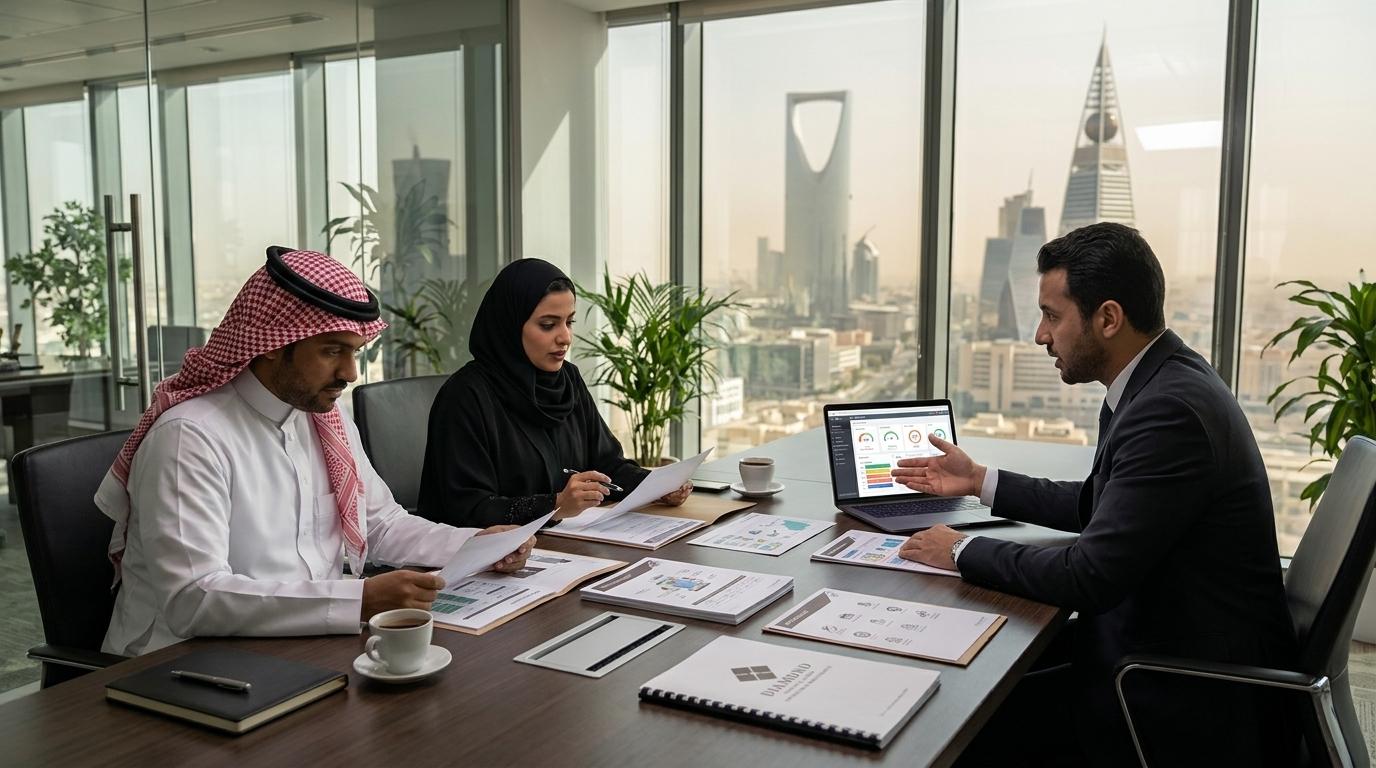
Choosing a facility management company can become difficult when several providers appear to offer the same services. Cleaning, maintenance, security, landscaping and technical support may all appear in a proposal, yet the actual service quality can vary widely. The risk is choosing by price alone and discovering gaps after the contract begins. A structured comparison helps businesses identify which provider can manage the property reliably.
Start With Your Facility Requirements
Before comparing companies, define what your property actually needs.
A corporate office may require HVAC support, electrical maintenance, plumbing, cleaning, access control and waste handling. A residential compound may need more landscaping, common-area maintenance and security.
Build a Basic Site Requirement List
Create a list that includes:
-
Building size
-
Operating hours
-
Number of occupants
-
Critical systems
-
Common areas
-
Technical rooms
-
External areas
-
Cleaning requirements
-
Security requirements
-
Existing maintenance issues
This gives providers enough information to prepare a meaningful scope instead of a generic package.
Compare the Complete FM Service Scope
Not every facility management contract includes the same services.
Businesses researching the Best Facility Management Services Providers in Riyadh should compare the actual scope line by line.
Hard Facility Management Services
Hard services usually cover physical building systems such as:
-
HVAC
-
Electrical systems
-
Plumbing
-
Mechanical systems
-
Lighting
-
Pumps
-
General building repairs
Ask which systems the provider manages directly and which require specialist support.
Soft Facility Management Services
Soft services can include:
-
Cleaning
-
Security
-
Landscaping
-
Pest control
-
Waste management
-
Janitorial support
These services influence the everyday experience of employees, tenants, customers and visitors.
Review Preventive Maintenance Capabilities
A strong FM company should not depend only on reactive repairs.
Preventive maintenance helps identify problems before they become serious failures.
Ask how the provider creates its preventive maintenance schedule.
The process should consider:
-
Asset condition
-
Manufacturer recommendations
-
Operating environment
-
Equipment criticality
-
Service history
The provider should also document completed tasks.
Check Technical Expertise and Staffing
Technical capability matters because facility issues often require different skills.
Ask what technical roles the company can provide and whether those employees are in-house or subcontracted.
Review the Staffing Model
The provider should explain:
-
Number of technicians
-
Supervisor coverage
-
Cleaning staff levels
-
Shift arrangements
-
Emergency support
-
Replacement process during absence
More staff does not always mean better service.
The staffing plan should match the actual workload.
Evaluate Cleaning and Soft-Service Standards
Cleaning quality can decline quickly when schedules and supervision are weak.
Ask how the provider divides the property into cleaning zones.
High-traffic areas should usually receive more frequent attention than low-use spaces.
Look for Quality Inspections
A supervisor should inspect:
-
Entrances
-
Washrooms
-
Corridors
-
Offices
-
Shared spaces
-
Parking areas
-
External zones where included
Do not rely only on attendance records.
The condition of the area matters more than whether someone signed a checklist.
Review SLAs and Emergency Response
Service-level agreements define how the provider handles different types of requests.
Ask how the company categorizes:
-
Emergency issues
-
Urgent repairs
-
Routine maintenance
-
Minor defects
Clarify What “Response Time” Means
Response time can mean different things.
It may refer to:
-
Acknowledging the request
-
Assigning a technician
-
Arriving on site
-
Completing the repair
These definitions should be clear in the contract.
Check Work-Order and Reporting Systems
A reliable FM provider should track service requests properly.
Each work order should include:
-
Location
-
Issue description
-
Priority
-
Assigned person
-
Status
-
Completion record
This helps prevent requests from being forgotten.
Review the Reporting Format
Useful reports may include:
-
Preventive maintenance completed
-
Reactive work orders
-
Open issues
-
Recurring faults
-
Cleaning observations
-
Staffing matters
-
Upcoming work
Reports should help management make decisions.
Understand Contract Inclusions and Exclusions
Many FM disputes begin because the scope is too vague.
Ask what the monthly or annual fee includes.
Clarify whether the contract covers:
-
Spare parts
-
Filters
-
Lamps
-
Cleaning materials
-
Consumables
-
Specialist contractors
-
Emergency call-outs
Any excluded items should be clearly identified.
Evaluate Mobilization and Site Management
A good provider should have a clear plan for starting the contract.
Mobilization may include:
-
Staff deployment
-
Asset verification
-
Site orientation
-
Access arrangements
-
Maintenance scheduling
-
Equipment setup
-
Reporting configuration
A disorganized start can create long-term service problems.
Questions to Ask Before Selecting an FM Provider
How will you manage preventive maintenance?
The provider should explain its scheduling and documentation process.
Who will supervise the site?
You should know who owns daily performance.
How are emergencies escalated?
The company should have a clear escalation route.
How do you measure cleaning quality?
The answer should involve inspections, not only attendance.
What is excluded from the contract?
The provider should answer this clearly.
Choosing a Facility Management Partner for Long-Term Operations
The best FM provider is not always the cheapest option.
A strong company should offer clear scope, technical capability, preventive maintenance, supervision, work-order tracking, reporting and transparent contract terms.
The goal is to reduce operational confusion.
A well-managed facility contract should make the property easier to run, not create another supplier that needs constant follow-up.

 English
 Arabic
 French
 Spanish
 Portuguese
 Deutsch
 Turkish
 Italiano
 Russian
 Romaian
 Portuguese (Brazil)
 Greek