


Landscaping Ideas That Thrive in Mansfield, TX's Climate and Soil
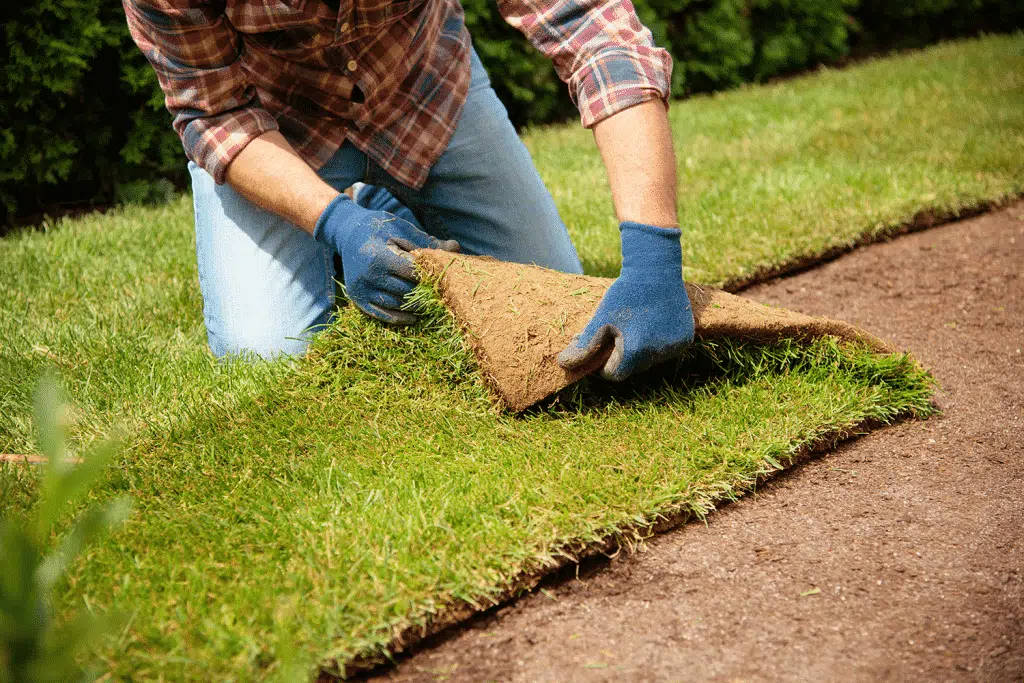
Mansfield, Texas, offers homeowners plenty of opportunities to create attractive outdoor spaces, but successful landscaping requires an understanding of the local climate, soil, sunlight, and seasonal changes. Hot summers, occasional drought conditions, heavy rainfall, and challenging soil can all influence how well plants perform. The best landscaping Mansfield TX projects focus on choosing plants and materials that can handle these conditions rather than simply following popular design trends. A thoughtful landscape can improve curb appeal, provide comfortable outdoor living space, and reduce unnecessary maintenance. With the right approach, homeowners can create yards that remain attractive and functional throughout the year.
Understand Mansfield's Climate Before Choosing Plants
The first step toward a successful landscape is understanding what plants will experience after they are installed. Mansfield's summers can bring prolonged heat and intense sunlight, while sudden storms can deliver substantial rainfall in a short period. These conditions can stress plants that are poorly suited to North Texas or planted in areas with inadequate drainage. Homeowners should therefore consider heat tolerance, water requirements, mature plant size, and sunlight exposure before purchasing landscape materials. Matching plant selection to local conditions can make a significant difference in long-term appearance and maintenance.
Microclimates around a property are also important. A south- or west-facing wall may become considerably hotter than a shaded section beneath mature trees, while low areas may retain moisture after storms. These differences mean that one plant may thrive in one section of a yard but struggle only a few feet away. Observe how sunlight moves across the property during different times of day before designing planting beds. Understanding these small environmental differences allows homeowners to create a landscape that works with the property instead of constantly fighting against it.
Choose Plants That Handle Heat and Changing Conditions
Plant selection should combine beauty with durability. Native and well-adapted plants are often strong choices because they are better prepared for regional weather patterns and can require less supplemental care once established. Homeowners can create visual variety by combining evergreen shrubs, flowering perennials, ornamental grasses, shade trees, and seasonal color. Instead of filling every available space with high-maintenance plants, use a balanced mixture that provides structure throughout the year. This approach can make the landscape more resilient while also creating a more natural appearance.
Trees deserve special consideration because they can become some of the most valuable long-term elements of a landscape. Properly selected shade trees can reduce heat around outdoor living areas and provide a strong visual anchor for the property. Smaller ornamental trees can frame entrances, patios, or garden beds without overwhelming the house. Shrubs and ground covers can then fill the lower layers while providing texture and seasonal interest. Always consider the mature size of every tree or shrub before planting near foundations, fences, sidewalks, driveways, or utility lines.
Work With Mansfield's Soil Instead of Fighting It
Soil conditions can determine whether a landscape becomes established successfully or requires constant replacement and correction. North Texas properties can have dense or clay-heavy soils that affect drainage, root development, and water movement. Compacted soil may prevent roots from receiving enough oxygen and can cause water to collect near planting areas. Before installing a new landscape, homeowners should examine how quickly water moves through different areas of the property. Improving soil structure where appropriate can create a healthier foundation for lawns, shrubs, flowers, and trees.
Good soil preparation is especially important when installing new planting beds or turf. Adding appropriate organic material and improving drainage can help roots establish more effectively, although the correct amendment strategy depends on the existing soil. Avoid assuming that every planting bed requires the same treatment because conditions can vary considerably across one property. A professional assessment can identify compacted areas, drainage concerns, and other problems before expensive plants are installed. Investing in preparation at the beginning can reduce replacement costs and improve the performance of the entire landscape.
Create Outdoor Living Areas That Match Your Landscape
Modern landscaping is increasingly connected to how homeowners use their yards. A backyard can become an extension of the home with a well-designed patio, seating area, walkway, pergola, outdoor kitchen, or fire feature. However, these elements should be planned alongside planting beds, drainage, shade, and irrigation rather than added as isolated features. This is where a backyard remodeler Mansfield homeowners trust can provide valuable planning and construction expertise. Combining landscape design with outdoor living improvements can create a more cohesive space that feels comfortable and intentional.
When planning a backyard remodel, think about how the space will be used during different seasons. A shaded seating area may be more valuable during the summer, while lighting and a sheltered gathering space can make the yard useful during cooler evenings. Durable paving materials, properly positioned trees, and low-maintenance planting beds can improve both appearance and functionality. The best outdoor spaces are not simply attractive from a distance; they are comfortable, accessible, and practical for everyday use.
Use Water-Wise Landscaping for Long-Term Performance
Efficient water management is essential for maintaining a healthy landscape in a climate where summer heat can quickly dry exposed soil. Irrigation should be designed around the needs of individual landscape zones rather than applying the same amount of water everywhere. Lawn areas, shrub beds, trees, and drought-tolerant plantings may have very different requirements. Overwatering can be just as problematic as underwatering because excessive moisture may contribute to root problems, runoff, and unnecessary maintenance. A properly planned irrigation system can help homeowners maintain healthier plants while using water more efficiently.
Mulch is another simple tool that can improve landscape performance. A suitable layer of mulch can help reduce evaporation, moderate soil temperatures, and limit competition from weeds around plants. It can also give planting beds a cleaner, more finished appearance. Homeowners should keep mulch away from direct contact with tree trunks and avoid creating excessively thick layers that can cause other problems. Combined with appropriate plant selection and irrigation, thoughtful mulching can make landscape maintenance easier during demanding summer conditions.
Design for Curb Appeal in Every Season
A landscape that looks beautiful only during spring may leave the property feeling unfinished for much of the year. To create year-round appeal, combine plants that provide different forms of interest, including evergreen foliage, seasonal flowers, ornamental textures, interesting bark, and attractive tree structure. Hardscape features can provide permanent visual appeal when plants are dormant or between flowering cycles. Walkways, retaining walls, decorative borders, patios, and landscape lighting can also help define different areas of the property. The result is a landscape that changes naturally with the seasons without losing its overall structure.
Color should also be used strategically rather than scattered throughout the yard. Repeating a few complementary plant forms or colors can create visual continuity between the front yard, side areas, and backyard. Larger trees and shrubs should establish the framework, while smaller plants can provide seasonal accents. This layered approach makes the property look more established and can prevent the landscape from becoming visually chaotic. For homeowners considering landscaping Mansfield TX projects, designing for maturity is just as important as choosing what looks attractive on installation day.
Maintain Your Landscape With a Practical Seasonal Routine
Even the most carefully designed landscape will decline without regular maintenance. Seasonal tasks may include mowing, pruning, irrigation adjustments, weed management, mulching, soil evaluation, and checking trees for damaged or unhealthy growth. Spring is a useful time to inspect winter damage and refresh planting beds, while summer requires closer attention to water and heat stress. Fall can be used to prepare the landscape for cooler weather and address areas that struggled during summer. Winter provides an opportunity to evaluate the overall design and plan improvements for the following growing season.
Professional help can be especially useful when a project involves extensive grading, drainage, tree installation, irrigation, hardscape construction, or a complete backyard transformation. A qualified contractor should be able to explain why specific plants, materials, and construction methods are appropriate for the property. Homeowners should also ask about maintenance requirements and expected plant maturity before approving a design. Working with experienced landscaping professionals and, when needed, a capable backyard remodeler Mansfield homeowners can rely on can help ensure that improvements are both attractive and practical. The goal should always be a landscape that performs well long after the initial installation.
A thriving Mansfield landscape does not have to depend on constant watering or intensive upkeep. The strongest results come from understanding local conditions, improving soil where necessary, choosing resilient plants, managing water efficiently, and designing outdoor spaces around the way the property will actually be used. By combining these principles, homeowners can create landscapes that remain attractive through heat, rainfall, seasonal changes, and everyday activity. Thoughtful landscaping is ultimately an investment in the home's appearance, usability, and long-term value.

 English
 Arabic
 French
 Spanish
 Deutsch
 Turkish
 Dutch
 Italiano
 Russian
 Romaian
 Portuguese (Brazil)
 Greek