


Small Bedroom Interior Design Ideas: Space-Saving Wardrobes, Lighting and Furniture Layouts
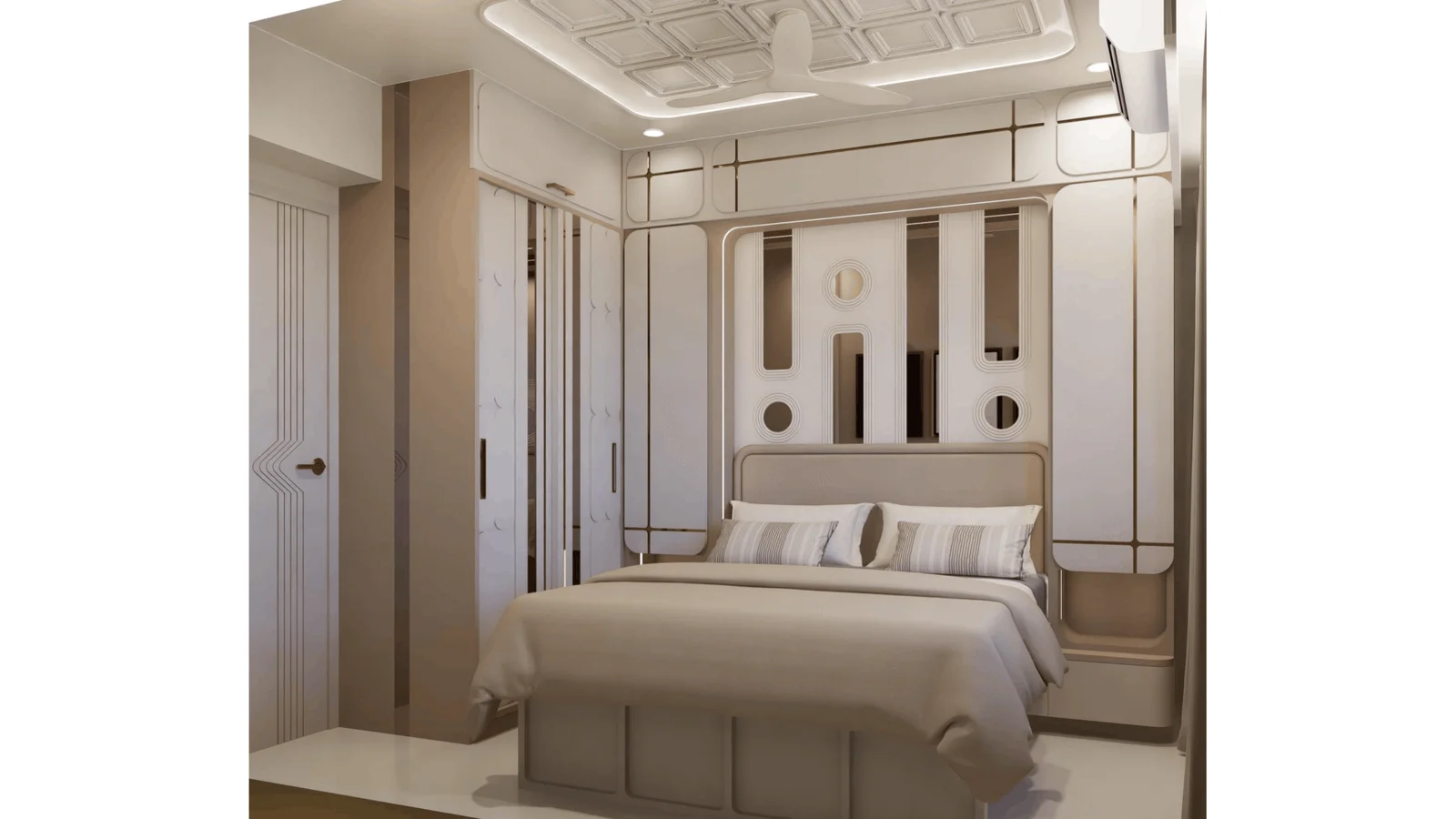
Designing a small bedroom can be challenging, especially when you want to balance comfort, functionality and visual appeal. Limited floor space, storage requirements and furniture placement can make even a simple bedroom feel crowded. However, with thoughtful planning and the right design choices, a compact bedroom can become a stylish, organised and comfortable retreat.
Modern small bedroom interior design focuses on making every corner useful without compromising aesthetics. From customised wardrobes and multifunctional furniture to clever lighting and space-efficient layouts, several design solutions can help maximise available space.
Whether you live in a compact apartment or have a small guest bedroom, these practical ideas can help you create a room that feels more spacious, inviting and functional.
1. Choose Sliding Door Wardrobes to Save Space
Wardrobes are essential bedroom furniture, but traditional hinged doors require additional clearance to open. In smaller rooms, this can interfere with movement and furniture placement.
Sliding door wardrobes are an excellent alternative because their doors move horizontally without occupying extra floor space. They provide convenient storage while maintaining a clean and contemporary appearance.
Some useful wardrobe design ideas include:
- Floor-to-ceiling wardrobes: Make use of vertical space to maximise storage capacity.
- Mirrored wardrobes: Reflect natural and artificial light, making the bedroom appear more spacious.
- Sliding wardrobes: Eliminate the need for additional door-opening clearance.
- Built-in wardrobes: Create a seamless appearance by integrating storage into available wall spaces.
- Handleless wardrobes: Offer a minimal and uncluttered look.
You can also customise the internal arrangement with hanging sections, drawers, shelves and organisers to accommodate clothing, accessories and other essentials.
2. Invest in Multifunctional Bedroom Furniture
When floor space is limited, furniture should serve more than one purpose wherever practical. Multifunctional pieces help reduce clutter while making the bedroom more adaptable.
Consider incorporating the following options:
- Storage beds: Provide hidden compartments for extra bedding, seasonal clothes and luggage.
- Foldable study tables: Create a convenient workstation that can be folded away when not required.
- Bedside tables with drawers: Offer storage for everyday essentials without requiring additional cabinets.
- Ottoman benches: Provide seating and concealed storage at the same time.
- Wall-mounted desks: Free up floor space and create a compact working area.
Choosing suitable space saving bedroom furniture can improve the overall functionality of a room while maintaining a balanced interior appearance.
3. Select the Right Bed Size and Placement
The bed is usually the largest piece of furniture in a bedroom, making its size and placement particularly important.
For compact bedrooms, choose a bed that fits comfortably without restricting movement. A king-size bed may look attractive, but it might leave insufficient space for wardrobes, bedside tables and walking areas.
A queen-size or appropriately sized double bed can be a better option, depending on the room dimensions.
Consider these practical placement tips:
- Position the bed against a longer wall whenever the layout allows.
- Maintain comfortable walking space around accessible sides of the bed.
- Choose beds with built-in storage to reduce the need for additional cabinets.
- Avoid oversized headboards that consume unnecessary wall space.
- Use compact bedside tables instead of bulky furniture.
A well-planned bed layout can make even a small bedroom feel more organised and comfortable.
4. Use Light Colours to Create a Spacious Feel
Colour selection can significantly influence how large or small a bedroom appears. Lighter shades reflect more light and create an open, airy atmosphere.
Some suitable colour choices include:
- Off-white: Creates a fresh and timeless appearance.
- Beige: Adds warmth while maintaining a spacious feel.
- Pastel green: Introduces a subtle natural element.
- Light grey: Offers a contemporary and sophisticated look.
- Soft blue: Creates a calming environment suitable for bedrooms.
You can introduce darker colours through cushions, artwork, rugs or a small accent wall. However, using too many contrasting shades can make a compact room feel visually busy.
For a cohesive appearance, coordinate wall colours with wardrobe finishes, curtains and bedding.
5. Make Lighting a Key Part of Bedroom Design
Good lighting can transform a small bedroom by making it feel brighter, more comfortable and visually spacious.
Instead of depending on a single ceiling light, consider layering different lighting sources.
Recessed ceiling lights: These provide general illumination without occupying visual space.
Wall-mounted bedside lights: These eliminate the need for large table lamps and free up bedside surfaces.
LED strip lighting: Installing concealed LED strips inside wardrobes or behind headboards adds a contemporary touch.
Pendant lights: Compact pendant fixtures can replace traditional bedside lamps while introducing decorative appeal.
Natural lighting: Keep windows unobstructed wherever possible to allow maximum daylight into the room.
Warm white lighting is generally suitable for bedrooms because it creates a relaxing atmosphere. Combining ambient, task and accent lighting can make the space more functional throughout the day.
6. Use Vertical Space for Better Storage
One common mistake in small bedrooms is focusing only on floor-level storage. Walls provide valuable opportunities to increase storage without making the room feel crowded.
Floating shelves can accommodate books, decorative accessories and small indoor plants. Wall-mounted cabinets can provide additional storage above desks or bedside areas.
Other useful solutions include:
- Tall wardrobes that extend towards the ceiling.
- Floating bedside shelves.
- Wall-mounted dressing mirrors.
- Overhead storage units above suitable furniture.
- Vertical organisers for accessories and everyday essentials.
The key is to avoid overcrowding walls. A few well-planned storage elements can improve functionality while maintaining an uncluttered appearance.
7. Create a Smart Furniture Layout
Furniture placement can determine whether a small bedroom feels comfortable or cramped. Even attractive furniture can create problems when arranged without considering movement and accessibility.
Start by identifying the essential elements, such as the bed, wardrobe, dressing area and study desk. Arrange them according to the room's dimensions and door and window positions.
For narrow bedrooms, placing the bed along one wall can help maintain a clear passage. In square rooms, a central bed arrangement may work better if sufficient circulation space is available.
Avoid placing oversized furniture near entrances or blocking windows with bulky cabinets.
A simple floor plan created before purchasing furniture can help prevent unnecessary space-related issues.
8. Use Mirrors to Enhance Visual Space
Mirrors are a simple yet effective addition to compact bedroom interiors. They reflect light and create an impression of greater depth.
Full-length mirrors can be integrated into wardrobe shutters, while decorative mirrors can be placed above dressing tables or on suitable walls.
Mirrored wardrobe panels are particularly useful because they combine functionality with visual enhancement.
Choose mirror placements carefully to avoid excessive reflections or visual clutter. Coordinating mirror frames with other furniture finishes can also create a more cohesive appearance.
9. Keep the Bedroom Minimal and Organised
A small bedroom benefits from a clean and organised design approach. Too many decorative accessories, bulky furniture pieces and unnecessary storage units can make the room feel crowded.
Instead, prioritise essential furniture and select decorative elements that contribute to the overall design.
Use drawer organisers, wardrobe dividers and storage baskets to keep everyday belongings organised. Choose coordinated bedding, simple curtains and a few statement accessories to maintain visual balance.
Regularly decluttering the room also ensures that available storage remains useful and accessible.
Conclusion
Designing a small bedroom requires a thoughtful combination of creativity, smart storage and practical furniture planning. From sliding wardrobes and multifunctional beds to layered lighting and vertical storage, the right design choices can help maximise available space without compromising comfort or style.
When planning a small bedroom interior design, focus on furniture that serves multiple purposes, wardrobe layouts that offer efficient storage and lighting that creates a welcoming atmosphere. Even minor changes in colour selection, mirror placement and furniture arrangement can make a noticeable difference.
For homeowners looking to transform compact bedrooms into functional and aesthetically pleasing spaces, Richwood Interio can be a valuable partner in exploring customised interior solutions. With careful planning, suitable materials and innovative design ideas, a small bedroom can become a beautiful, organised and comfortable personal retreat.

 English
 Arabic
 French
 Spanish
 Portuguese
 Deutsch
 Dutch
 Italiano
 Russian
 Romaian
 Portuguese (Brazil)
 Greek