


Best Turbo Cleaner: A Complete Guide to Turbocharger and DPF Maintenance
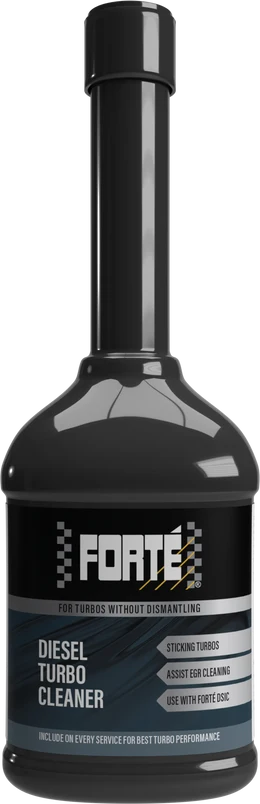
Modern diesel engines rely on efficient turbochargers and diesel particulate filters (DPFs) to deliver reliable performance, fuel efficiency and reduced emissions. Over time, carbon deposits, soot and other contaminants can build up inside these components, affecting engine performance and overall driving quality. Choosing the right turbo cleaning solution can help maintain engine efficiency, support smoother operation and reduce the risk of deposit-related problems. Understanding how a turbo cleaner works, when to use one and how it supports DPF maintenance can help drivers make informed decisions about vehicle care.
What Is a Turbo Cleaner and How Does It Work?
A turbo cleaner is an automotive treatment designed to help address carbon and soot deposits associated with turbocharger systems. These deposits can develop through regular engine operation, particularly when vehicles frequently travel short distances, experience heavy traffic or operate under demanding conditions.
A suitable cleaning treatment helps manage deposit build-up and supports the efficient operation of the turbocharger system. Depending on the product formulation, it may be introduced through the fuel system or applied using a specified cleaning procedure.
Regular vehicle maintenance, appropriate engine oil and suitable cleaning treatments can all contribute to better turbocharger performance.
Why Does a Turbocharger Need Regular Cleaning?
A turbocharger uses exhaust gases to drive a turbine, which helps force more air into the engine. This process improves combustion efficiency and supports engine power. However, carbon deposits and contaminants can affect its operation over time.
Some common signs of potential turbocharger-related issues include:
-
Reduced engine power and acceleration.
-
Increased exhaust smoke.
-
Poor throttle response.
-
Unusual turbocharger noises.
-
Reduced fuel efficiency.
-
Warning lights or engine performance issues.
These symptoms can have several causes, so professional diagnosis is important before choosing a cleaning treatment. Preventative maintenance can help reduce deposit-related problems and support the long-term condition of engine components.
What Is the Difference Between a Turbo Cleaner and a DPF Cleaner?
Although turbochargers and diesel particulate filters perform different functions, both are important parts of modern diesel engine systems.
A turbo cleaner focuses on addressing deposits associated with the turbocharger and supporting its efficient operation. A DPF cleaner, on the other hand, is designed to help manage soot accumulation within the diesel particulate filter.
The DPF captures soot particles from exhaust gases to reduce harmful emissions. Over time, accumulated soot must be removed through a process called regeneration.
Using the correct treatment for each component is essential. A product designed for the fuel system or DPF may not be suitable for direct turbocharger cleaning. Always check the manufacturer's instructions before application.
Can a DPF and Turbo Cleaner Improve Engine Performance?
A suitable DPF and turbo cleaner can support vehicle maintenance by helping address deposit build-up in relevant engine and exhaust systems. Cleaner-running components can contribute to smoother engine operation when contamination is affecting performance.
However, cleaning additives are not a solution for every mechanical problem. Damaged turbocharger bearings, faulty sensors, blocked filters or mechanical failures require appropriate inspection and repair.
For the best results, choose a product compatible with your vehicle and follow the recommended dosage and usage instructions.
How Does a DPF Regeneration Additive Work?
A DPF regeneration additive is formulated to support the removal of accumulated soot from a diesel particulate filter. It works by helping the soot burn at a lower temperature during the regeneration process, depending on the product formulation.
During normal operation, the DPF collects soot from exhaust gases. When certain operating conditions are met, the vehicle initiates regeneration, allowing the accumulated soot to burn off.
Additives can support this process, particularly when driving conditions make normal regeneration more difficult. However, they cannot remove all types of contamination. Ash accumulation, for example, generally requires professional filter cleaning or replacement.
Always select an additive that meets your vehicle manufacturer's requirements.
How to Choose the Best Turbo Cleaner for Your Vehicle
Finding the best turbo cleaner requires considering your vehicle type, engine condition and the specific cleaning requirements of its turbocharger system.
Here are some important factors to consider:
1. Vehicle Compatibility: Check whether the treatment is suitable for your diesel engine and vehicle specifications.
2. Cleaning Application: Understand whether the product is a fuel additive, intake cleaner or specialist professional treatment. Different products work through different application methods.
3. Product Instructions: Choose a solution with clear dosage, application and safety instructions.
4. Engine Condition: Consider whether the issue is related to carbon deposits or a mechanical fault. Cleaning products cannot repair damaged components.
5. Overall Maintenance: Combine appropriate cleaning treatments with regular servicing, correct engine oil and quality fuel.
Selecting a suitable product based on these factors can help you maintain your vehicle more effectively.
Can You Use a Fuel Additive Turbo Cleaner?
A fuel additive turbo cleaner is designed to work through the fuel system rather than being directly sprayed into the turbocharger. Depending on its formulation, it may help clean fuel-system components and support cleaner combustion, potentially reducing the formation of deposits.
It is important to understand that not every fuel additive provides direct turbocharger cleaning. Some products target injectors and combustion chambers, while others are specifically formulated to support wider engine maintenance.
Always read the product description to understand its intended application and avoid using treatments in ways that are not recommended by the manufacturer.
Where Can You Buy DPF Cleaner and Turbo Cleaning Treatments?
If you want to buy DPF cleaner, start by looking for a product that matches your vehicle's fuel type, engine specifications and emissions system requirements.
Choose trusted automotive care suppliers that provide detailed product information, application instructions and compatibility guidance. Avoid selecting treatments based only on general performance claims.
Mechanx offers automotive maintenance solutions designed to support engine care, fuel-system cleanliness and vehicle performance. Exploring suitable diesel and turbo maintenance products can help you identify treatments that match your vehicle's requirements.
Is Forte Turbo Cleaner Suitable for Diesel Engine Maintenance?
Forte turbo cleaner is a product-related search term commonly associated with specialist automotive cleaning treatments. When comparing products, it is important to check the exact formulation, application method and manufacturer recommendations.
Not all turbo cleaning treatments work in the same way. Some are intended for fuel-system use, while others require specialist equipment or professional application.
Before choosing any treatment, review its technical information and confirm that it is appropriate for your vehicle. If your car has persistent turbocharger or DPF problems, consult a qualified technician for diagnosis.
Tips for Maintaining Your Turbocharger and DPF
Good maintenance habits can help reduce the accumulation of deposits and support the efficient operation of diesel engine components.
Consider these practical tips:
-
Follow the recommended vehicle servicing schedule.
-
Use engine oil that meets manufacturer specifications.
-
Avoid repeatedly interrupting active DPF regeneration cycles.
-
Take occasional longer drives when appropriate for your vehicle.
-
Use compatible fuel-system cleaning treatments.
-
Investigate unusual exhaust smoke or reduced engine performance.
-
Address warning lights and engine faults promptly.
Combining regular maintenance with appropriate cleaning treatments can help support the performance and reliability of your vehicle over time.
Conclusion
Turbocharger and DPF maintenance plays an important role in keeping modern diesel engines operating efficiently. Carbon deposits and soot accumulation can affect performance, fuel consumption and emissions-system operation. Choosing the best turbo cleaner involves understanding your vehicle's requirements, identifying the type of contamination and selecting a compatible treatment.
By combining suitable cleaning products with regular servicing and responsible driving habits, you can help maintain your turbocharger, DPF and wider engine system.
Frequently Asked Questions (FAQs)
1. How often should I use a turbo cleaner?
The recommended frequency depends on the product formulation, vehicle condition and driving habits. Always follow the manufacturer's dosage and usage instructions rather than applying treatments more frequently than recommended.
2. Can a turbo cleaner remove carbon deposits?
Some cleaning treatments are formulated to help address carbon deposits in specific engine or turbocharger-related systems. Their effectiveness depends on the application method, product formulation and severity of contamination.
3. Is a DPF cleaner the same as a turbo cleaner?
No. A DPF cleaner is designed to support soot management and regeneration in the diesel particulate filter, while a turbo cleaner targets deposits associated with the turbocharger system. Always use products for their intended applications.
4. Can I use a fuel additive to clean my turbocharger?
Some fuel additives help maintain fuel-system cleanliness and support cleaner combustion, but they do not necessarily clean the turbocharger directly. Check the product specifications before use.
5. What should I consider before buying a turbo cleaning product?
Check vehicle compatibility, product formulation, application method, dosage instructions and manufacturer recommendations. If your vehicle has persistent performance issues, arrange a professional inspection to identify the underlying cause.

 Arabic
 French
 Spanish
 Portuguese
 Deutsch
 Turkish
 Dutch
 Italiano
 Russian
 Romaian
 Portuguese (Brazil)
 Greek