


How to Choose the Right Hiking Kilt for Outdoor Adventures
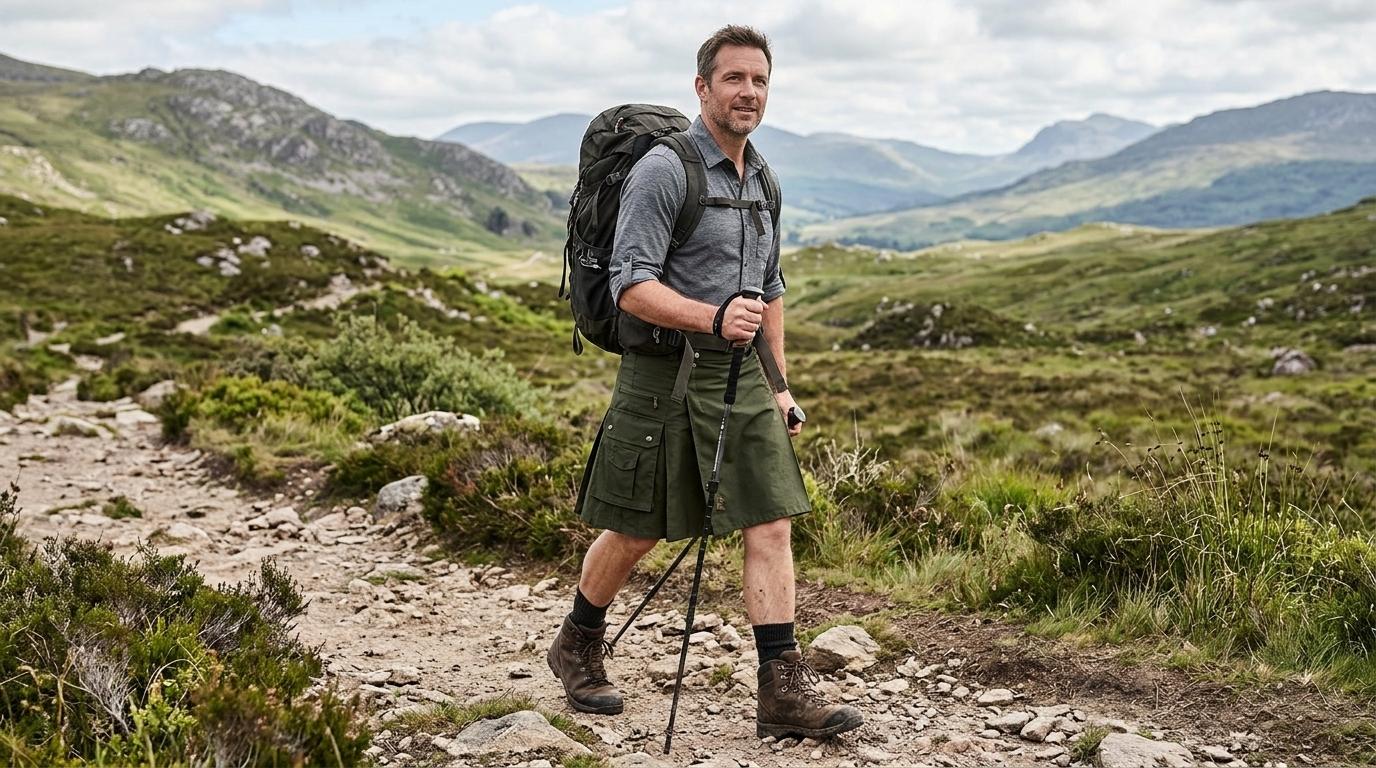
A long hike can expose weaknesses in clothing very quickly. Fabric that feels comfortable for a short walk may become heavy, restrictive, or uncomfortable after hours on the trail. Poor fit can create another problem by making every step feel more difficult.
For people considering Hiking kilts, the decision should go beyond appearance. Fabric, weight, breathability, fit, storage, durability, and weather conditions all affect how useful the garment becomes on the trail.
Start With Your Hiking Style
Not every hike creates the same clothing requirements. A short woodland walk differs from a long mountain route, a warm-weather trail, or a casual nature outing.
Think about the places you normally explore. Consider the terrain, weather, walking distance, and amount of movement involved.
Your hiking style should determine the features you prioritize rather than choosing a kilt simply because it looks suitable for outdoor use.
Focus on Freedom of Movement
One reason some people choose kilt-style outdoor clothing involves the open design around the legs. This structure can allow natural movement while walking, climbing, sitting, or stepping over uneven ground.
The fabric also matters. Very stiff material can reduce the flexibility you expect from the design.
Before committing to a particular kilt, consider whether the fabric and cut allow the type of movement your normal trails require.
Choose Fabric for the Environment
Fabric affects comfort and durability. Cotton can provide a familiar feel and may work well for casual hiking in dry conditions.
Synthetic materials can offer different characteristics, including various levels of durability and maintenance convenience. Blended fabrics can combine characteristics from different fibers.
Read the actual material specification rather than relying on a general description such as "outdoor fabric."
Consider Weight
Weight matters during outdoor activities. A heavy kilt may feel manageable for a short walk but become less appealing during a longer adventure.
Lightweight fabrics can provide a less bulky wearing experience. However, extremely lightweight construction may not provide the durability you want for rough trails.
Aim for a balance between weight and the conditions where you normally hike.
Think About Breathability
Warm-weather hiking can make fabric choice especially important. Heavy or poorly ventilated clothing may feel uncomfortable as activity levels increase.
A lightweight material can help reduce bulk, but breathability depends on more than fiber type. Weave, thickness, lining, and garment construction can all affect how air moves around the body.
Consider the entire outfit too. A breathable shirt and suitable footwear can influence overall comfort just as much as the kilt.
Prepare for Wet Conditions
Rain can change the performance of outdoor clothing. Some fabrics absorb moisture, while others handle wet conditions differently.
If you frequently hike in rainy areas, check how the kilt's material behaves around moisture and review the manufacturer's care instructions.
Do not treat the kilt as your only weather protection. A suitable outer layer may still be necessary when conditions become wet or cold.
Check the Fit Carefully
A hiking kilt should stay secure without feeling restrictive. Accurate waist measurements help create a better starting point.
Follow the manufacturer's sizing instructions rather than relying on your regular trouser size.
The length should also support movement. A well-proportioned garment should allow comfortable walking and sitting without creating unnecessary obstacles.
Look at Storage Options
Pockets can provide useful storage during outdoor activities. Hikers may want to carry a phone, keys, wallet, trail accessories, or other small items.
Think about what you actually need. Large or numerous pockets can add weight and change the way the kilt hangs.
Check the pocket construction as well. Strong stitching and secure attachment matter if you plan to use the pockets regularly.
Examine Durability
Outdoor clothing encounters more physical stress than ordinary casual wear. Walking through brush, sitting on rough surfaces, and moving across uneven terrain can test stitching and seams.
Look closely at the waistband, pocket attachments, fasteners, and other areas that experience repeated movement.
A durable fabric cannot compensate for weak construction, so evaluate the complete garment.
Consider the Season
A hiking kilt should suit the conditions where you plan to use it. Lightweight materials can work well in warmer weather, while heavier fabrics may suit cooler environments.
Layering can provide additional flexibility. A lighter kilt can work with suitable outer clothing during cooler conditions.
Think about the temperature you expect during the entire hike rather than only when you begin.
Maintenance on the Trail
Outdoor clothing gets dirty. Mud, dust, sweat, and moisture can quickly affect a garment during regular hiking.
Check the manufacturer's cleaning instructions before buying. Easy-care material can make frequent outdoor use more convenient.
Follow the recommended washing and drying process to protect the fabric and preserve its shape.
Test the Complete Outfit
Before taking a new kilt on a demanding hike, wear it during a shorter outdoor walk.
Walk up and down slopes, sit down, bend, and carry the items you normally take with you.
This practical test can reveal problems with the waistband, pockets, fabric weight, or movement before you depend on the garment during a longer adventure.
Choose Based on Your Trail Habits
The right hiking kilt depends on your individual outdoor routine. A casual walker may prioritize softness and comfort, while a frequent hiker may focus more on durability, weight, and weather suitability.
Compare these characteristics before making a decision.
Final Considerations
Choosing a hiking kilt involves more than selecting an outdoor-looking design. Consider fabric, weight, movement, fit, storage, durability, weather, and maintenance.
When those characteristics match your normal hiking conditions, a kilt can become a practical alternative for outdoor clothing. Test the garment before longer trips and choose based on real trail requirements rather than appearance alone.

 English
 Arabic
 Spanish
 Portuguese
 Deutsch
 Turkish
 Dutch
 Italiano
 Russian
 Romaian
 Portuguese (Brazil)
 Greek