


Why Are Banknotes Made With Special Materials?
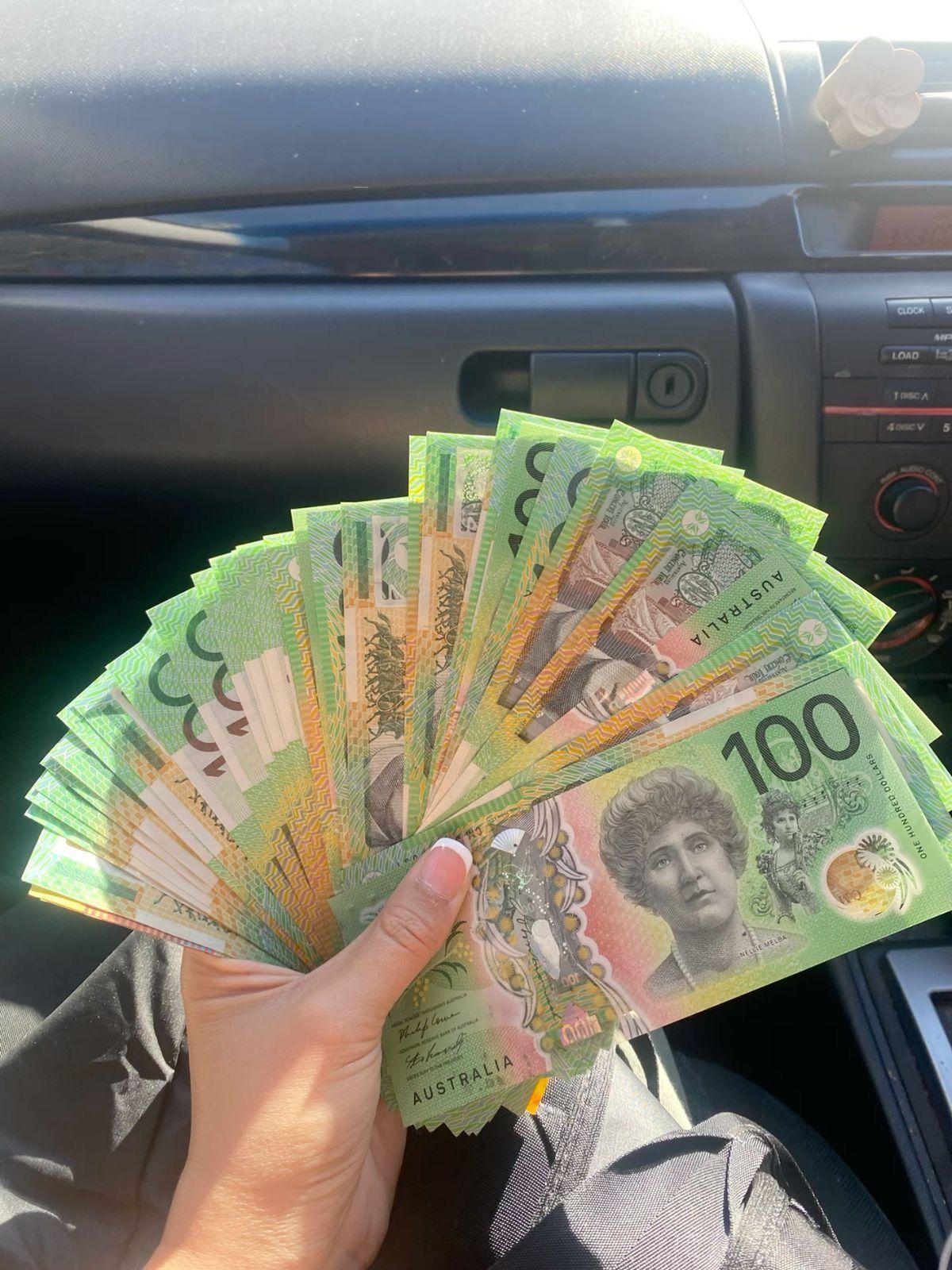
Did you know that the money in your wallet is likely closer to a t-shirt than a notebook page? Many people assume cash is just high quality paper but traditional wood pulp would crumble after just a few weeks of being folded, tucked into pockets or accidentally washed in a laundry machine. To survive the daily grind, central banks use specific textile blends and high tech plastics that are tough to tear and even harder to replicate.
Why Paper is Not Enough
Standard paper is fragile because it consists of short wood fibers that snap when you fold them repeatedly. If banks used normal stationery, your salary would dissolve the moment it got wet. Many countries use a mix of 75 % cotton and 25 % linen - these long plant fibers interlock tightly, creating a flexible surface that feels distinct and resists moisture.
This special blend is why a bill survives a trip through a washing machine while a receipt turns into a soggy mess. The material provides a unique tactile "crispness" that is very difficult for casual scanners to mimic. You can feel the strength of the fabric like weave when you snap the note between your fingers.
Secret Ingredients for Safety
Material choice is the first line of defense against unauthorized copies. Manufacturers embed complex elements directly into the structure of the note during the raw pulp stage. Because these features are inside the material rather than printed on top, they are nearly impossible to scrape off or alter without destroying the bill.
- Security Threads Thin ribbons of metallic or plastic material woven into the fabric.
- Watermarks Thicker and thinner areas of the cotton blend that create an image when you hold it to the light.
- Color-Shifting Inks Specialty pigments that change hue when you tilt the note at different angles.
If you want to understand these layers better, you can find guides on how to tell if a 100 bill is fake - looking for the embedded physical markers. High quality production ensures that every legal note has a specific "hand-feel" that alerts your brain when something is wrong.
The Rise of Plastic Cash
Many regions are moving away from cotton entirely in favor of polymer - these are thin, clear plastic films made from biaxially oriented polypropylene. While they feel different - sometimes a bit slippery - they are even more durable than fabric notes. Polymer bills stay cleaner because the surface is non porous, meaning they do not absorb sweat or dirt from your hands.
These plastic notes allow for "windows" which are transparent sections that you can see through - this is a massive hurdle for anyone using standard printers. While some people look for realistic prop money for movies or theater, those items lack the complex polymer windows and tactile raised ink found on the genuine currency you use at the grocery store.
Spotting the Real Deal
Checking your cash is a smart habit to keep your finances safe. Genuine notes use "intaglio" printing, which involves massive pressure to force ink into the material - this creates a raised texture you can feel with your fingernail. If a bill feels smooth like a flyer, it is likely not authentic.
It is important to know the rules regarding suspicious items. You can learn about the proper steps to take and what to do if you receive counterfeit money to ensure you stay within the law. Always report suspicious notes to local authorities rather than trying to spend them, as passing them on is a serious offense.
FAQ
Is money actually made of clothes?
It is mostly cotton and linen, which are the same fibers used to make denim and shirts - this is why cash feels more like cloth than paper.
Can I iron a wrinkled banknote?
You can iron cotton based notes on a low heat setting but you should never iron polymer plastic notes. They will melt and become useless.
Why does new money smell different?
The scent comes from a combination of the fresh ink, the varnish used to protect the surface and the chemical treatments applied to the cotton fibers.

 English
 Arabic
 Spanish
 Portuguese
 Deutsch
 Turkish
 Dutch
 Italiano
 Russian
 Romaian
 Portuguese (Brazil)
 Greek