


How Physiotherapy Supports Safe Exercise After Injury
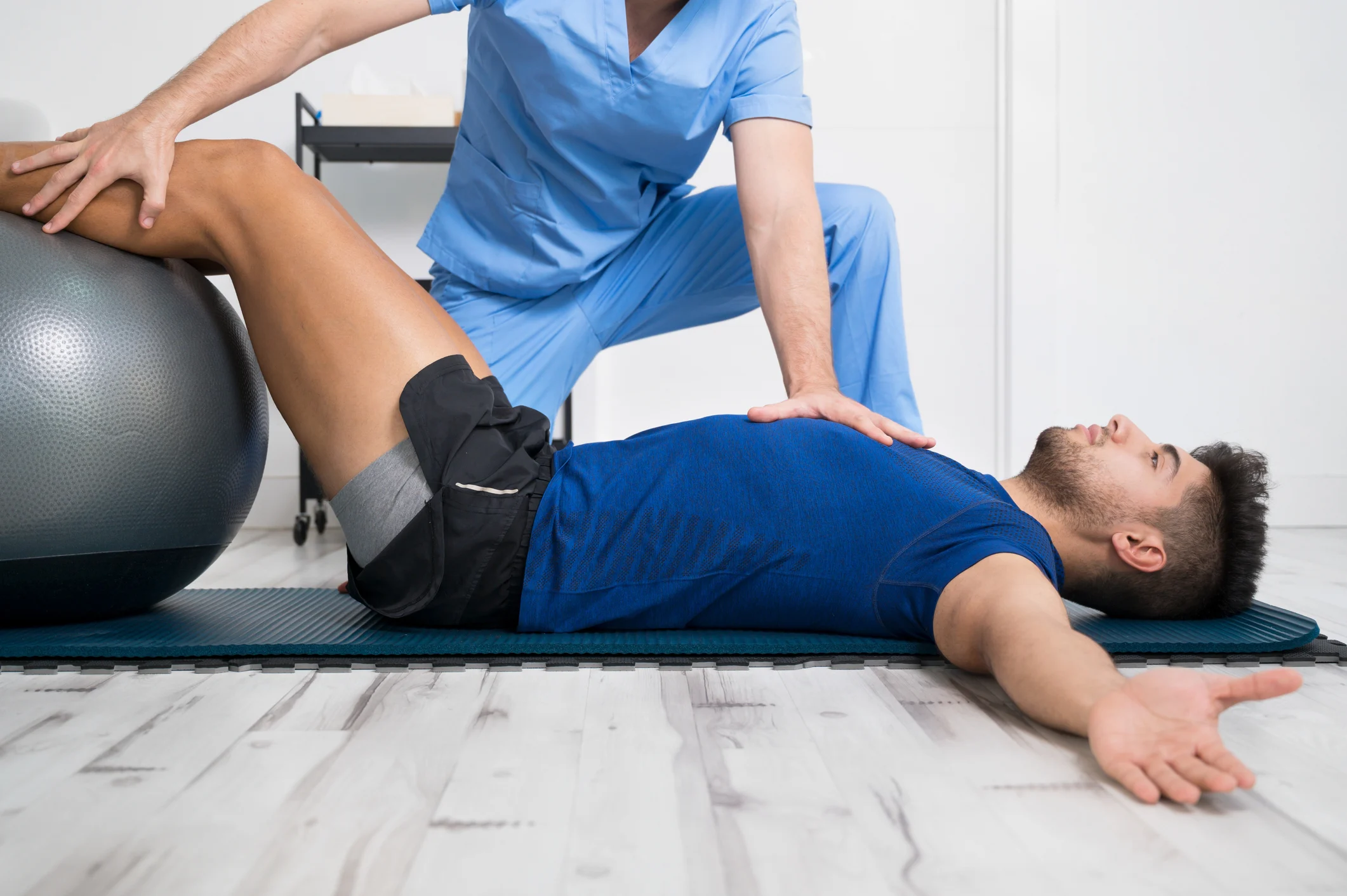
Returning to exercise after an injury can feel challenging. You may be eager to get back to running, gym workouts, sports or other activities, yet doing too much too soon can make recovery more difficult. On the other hand, avoiding movement for too long may leave you feeling weaker, stiffer or less confident.
A structured rehabilitation approach can help create a better balance. Physiotherapy in Edinburgh can support recovery by assessing your current movement, identifying limitations and helping you gradually rebuild strength and exercise tolerance.
The aim is not simply to get you moving again. Instead, rehabilitation focuses on helping you return to your preferred activities in a controlled and appropriate way.
What Changes After an Injury?
An injury can affect more than the area where you feel pain. Depending on the problem, you may experience reduced strength, stiffness, altered movement patterns or reduced confidence.
For example, after a knee injury, you might unconsciously place more weight through the other leg. Following a shoulder problem, you may avoid certain arm movements. Similarly, after an ankle injury, you may change the way you walk or run.
These adaptations can sometimes affect other parts of the body.
A physiotherapy assessment can help identify these changes and establish a starting point for rehabilitation.
The First Step: Understanding Your Current Ability
Before returning to exercise, it is useful to understand what your body can comfortably manage at that stage of recovery.
A physiotherapist may assess:
- Joint movement
- Muscle strength
- Balance and coordination
- Functional movement
- Pain response
- Exercise tolerance
- Sport or activity-specific demands
This information can help determine which exercises are suitable and how they should progress.
For some people, gentle mobility may be the priority. Others may be ready for strengthening or more functional movements. The programme should reflect the individual's recovery rather than follow a fixed timetable.
Why Gradual Progression Matters
One of the most important principles of injury rehabilitation is gradual progression.
Returning immediately to your previous exercise intensity may place more demand on tissues than they are currently prepared to handle. Instead, rehabilitation can progressively increase factors such as:
Load: Gradually increasing the resistance or weight used during an exercise.
Volume: Increasing the number of repetitions, sets or total training time.
Intensity: Introducing more demanding exercise when appropriate.
Complexity: Moving from simple exercises towards movements that more closely resemble your normal activity.
This approach gives the body an opportunity to adapt as physical capacity improves.
Rebuilding Strength and Stability
Strength can decrease when an injured area has been rested or used less than normal. This is why strengthening often plays an important role in rehabilitation.
A physiotherapist can select exercises according to the affected area and your individual goals. These may involve bodyweight movements, resistance exercises, balance work or functional activities.
The emphasis should be on controlled progression rather than simply choosing the hardest exercise available.
For an individual returning to the gym, rehabilitation may eventually involve resistance training. For someone returning to recreational running, exercises may focus on lower-limb strength, balance and movement control.
Physiotherapy in Edinburgh can help connect these exercises to the activities you actually want to perform.
Mobility Without Forcing Recovery
Stiffness is common after some injuries, particularly when movement has been restricted for a period.
Mobility exercises may help restore comfortable movement where appropriate. However, forcing a joint aggressively is not necessarily the best approach.
The right amount of movement depends on the injury, stage of recovery and individual symptoms. A physiotherapist can help determine which movements are appropriate and how they should be progressed.
Improving mobility can also make strengthening exercises and functional movements easier to perform correctly.
Using Pain as Useful Feedback
Pain does not always mean that exercise is causing damage, but it should not simply be ignored either.
During rehabilitation, a physiotherapist can help you understand how your symptoms respond to different movements and exercise loads.
For example, an exercise may feel comfortable during the session but leave you significantly more uncomfortable afterwards. That response can provide useful information about whether the current workload needs adjustment.
Learning how your body responds can help you make better decisions as you become more independent with your rehabilitation.
Returning to Sport Requires More Than Basic Strength
Being able to perform a basic exercise does not necessarily mean you are ready to return to a demanding sport.
Sports often involve:
- Rapid changes of direction
- Jumping and landing
- Acceleration and deceleration
- Repeated movements
- Balance challenges
- Quick reactions
- Sport-specific positions
Therefore, later-stage rehabilitation may gradually introduce movements that resemble the demands of your chosen activity.
A football player may need progressive running, turning and kicking drills. A tennis player may need to rebuild tolerance for repeated changes of direction. Someone returning to weight training may need to gradually reintroduce heavier resistance.
This activity-specific approach can make rehabilitation more relevant and practical.
Confidence Is Part of Recovery
Physical recovery and confidence often develop together. After an injury, you may hesitate to put weight through an affected leg, lift with an injured shoulder or move quickly because you are worried about causing another problem.
That hesitation can influence movement quality and exercise performance.
A structured rehabilitation plan can provide measurable progress. As strength, mobility and exercise tolerance improve, confidence may also increase.
Physiotherapy in Edinburgh can provide guidance throughout this process, helping you understand what you can currently do and what needs further development.
Common Mistakes When Returning to Exercise
Several habits can make a return to exercise unnecessarily difficult.
Doing Too Much Too Soon
Feeling better does not always mean the body is ready for full training. Increasing workload too quickly can lead to a flare-up of symptoms.
Stopping All Movement
Complete avoidance of activity is not appropriate for every injury. Depending on the condition, maintaining suitable movement may form part of recovery.
Comparing Your Recovery With Someone Else
Recovery times vary. Two people with similar injuries may progress differently because of their physical condition, injury severity, lifestyle and activity demands.
Returning to the Same Training Routine
Your previous training level may not match your current capacity. A gradual rebuild is often more appropriate than immediately returning to your old routine.
Creating a Safe Return-to-Exercise Plan
A practical rehabilitation plan can move through several stages:
1. Assessment: Establish current strength, mobility and functional ability.
2. Foundation: Restore comfortable movement and basic physical capacity.
3. Strength: Progress resistance and functional exercises.
4. Exercise tolerance: Gradually increase training volume and intensity.
5. Activity-specific work: Introduce movements that reflect your sport, job or preferred exercise.
6. Independent training: Continue suitable exercises while monitoring your response.
Not everyone needs every stage for the same length of time. The programme should be adjusted according to progress.
When Professional Guidance Can Help
Consider professional physiotherapy support if you are unsure how to restart exercise, symptoms repeatedly return, strength has noticeably reduced or an injury is affecting your normal activities.
An assessment can provide a clearer picture of your current physical capacity and help you understand which activities may be appropriate.
This can be especially useful for people returning to demanding sports, gym training, running or physically active jobs.
Making Exercise Part of Long-Term Recovery
Rehabilitation does not have to end when symptoms improve. Continuing appropriate strength, mobility and conditioning exercises can help maintain physical capacity.
For active individuals, this can also become an opportunity to address weaknesses or movement limitations that may have contributed to previous difficulties.
The goal is to develop a sustainable approach to exercise rather than repeatedly moving between intense training and complete rest.
Choosing Physiotherapy Support in Edinburgh
When seeking rehabilitation support, look for a service that considers your injury, current abilities and personal activity goals.
Good rehabilitation should be individualised. The programme for an office worker returning after a back injury may look very different from the programme for a runner recovering from an ankle injury.
Professional Physiotherapy in Edinburgh can combine assessment, education, exercise progression and functional rehabilitation to help individuals work towards their preferred activities.
Final Thoughts
Returning to exercise after injury requires patience, appropriate progression and an understanding of your current physical capacity. Pushing too hard can be counterproductive, while avoiding movement completely may not provide the best route back to activity.
With personalised Physiotherapy in Edinburgh, individuals can receive structured support to improve mobility, rebuild strength, develop exercise tolerance and gradually return to sport, fitness and everyday activities.
A safe return is not about reaching your previous level as quickly as possible. It is about building the capacity and confidence needed to exercise comfortably and sustainably.

 Arabic
 French
 Spanish
 Portuguese
 Deutsch
 Turkish
 Dutch
Dutch
 Italiano
 Russian
 Romaian
 Portuguese (Brazil)
 Greek
Greek