


Property Valuation Explained: How Much Is Your Property Worth?
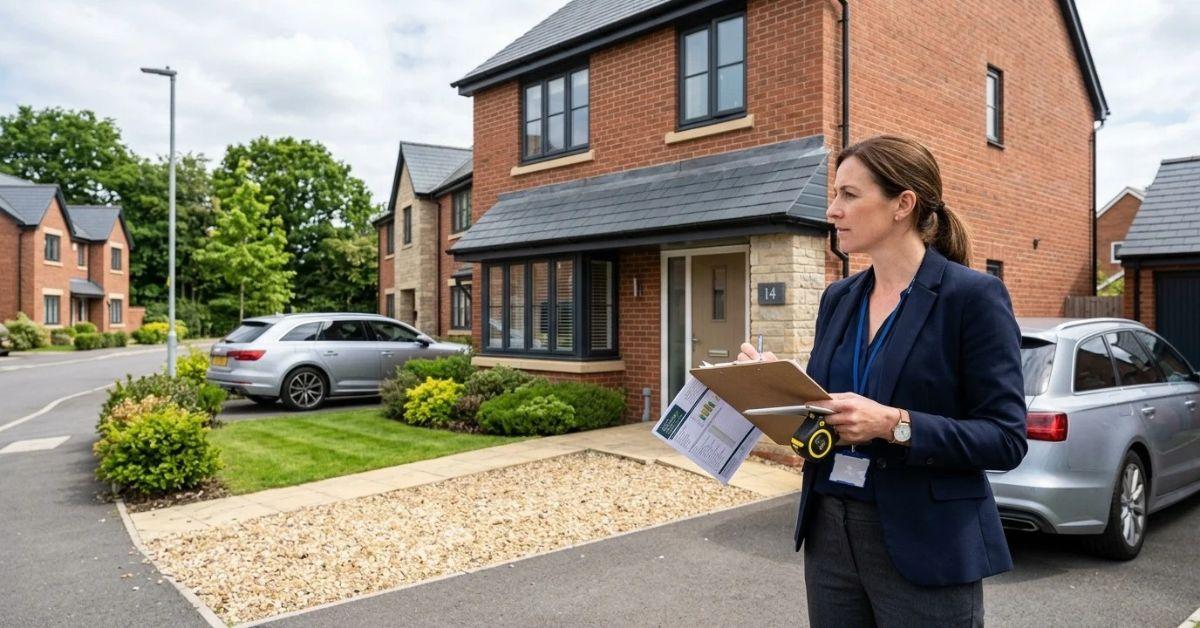
Knowing how much your property is worth can help you make better decisions about selling, remortgaging, investing or managing your finances. However, property value is not simply determined by what a similar home is sold for or what an online calculator suggests.
A property valuation considers factors such as location, size, condition, features, comparable sales and current market conditions. If you want a more informed starting point, you can book property valuation services from a local property professional who can assess your home in its market context.
Understanding how property valuations work can help you judge whether an estimate is realistic and make more confident decisions about your property.
What Is a Property Valuation?
A property valuation is an estimate of what a property is worth in the current market. It is usually based on evidence from comparable properties, local market knowledge and the property's individual characteristics.
An estate agent's valuation is generally intended to help determine a realistic marketing price. A formal valuation carried out by a qualified valuer or surveyor can serve a different purpose, such as certain financial or legal requirements.
It is important to remember that a valuation is an estimate, not a guaranteed selling price.
How Is a Property Valued?
Several factors can influence the estimated value of a home.
1. Recent Comparable Property Sales
One of the most useful indicators is what similar properties have actually sold for recently.
A valuer may consider properties with comparable:
-
Location
-
Property type
-
Size and number of bedrooms
-
Layout
-
Condition
-
Garden, parking or other features
Sold prices can provide stronger evidence than asking prices because they show what buyers have actually paid. Homeowners in England and Wales can use HM Land Registry data to research previous property sale prices.
2. Location and Local Demand
Location can have a major influence on property value. Two otherwise similar homes can have different values because of their surroundings.
Factors may include proximity to transport links, schools, shops, employment areas, green spaces and other local amenities. Buyer demand within a particular neighbourhood can also affect how much a property is likely to attract.
3. Size, Type and Layout
The property's overall size and configuration are important considerations. Floor area, number of bedrooms, reception spaces and the usability of the layout can all influence buyer appeal.
A well-designed property can sometimes be more attractive than a larger property with an impractical layout, so valuation is not based on size alone.
4. Condition and Improvements
The condition of the property can affect its appeal and estimated value. A well-maintained home that is ready to occupy may attract stronger buyer interest than one requiring significant work.
Extensions, loft conversions, upgraded kitchens, bathrooms and other improvements may also influence value. However, improvements do not automatically add their full cost to the property's value. Their impact depends on quality, buyer demand and the local market.
5. Current Market Conditions
Property values can change as market conditions shift. Interest rates, buyer demand, local supply and broader economic conditions can influence what buyers are prepared to pay.
This is why a valuation from several years ago should not automatically be treated as an accurate indication of today's property value.
What Is the Difference Between Property Value and Asking Price?
Property value, asking price and final selling price are related but different.
Property valuation: an estimate of the property's likely market value.
Asking price: the price a seller chooses to advertise the property for.
Final selling price: the amount a buyer ultimately agrees to pay.
These figures can differ. GOV.UK notes that a property's valuation is not necessarily the same as its eventual sale price because the final amount depends partly on market conditions and what a buyer is willing to pay.
Can You Value Your Property Online?
Yes. Online property valuation tools can provide a useful starting estimate, often using property data and information about local prices.
However, an online estimate cannot fully assess the condition, presentation, layout, improvements or unique characteristics of an individual property.
For a more property-specific assessment, an in-person professional property valuation can provide additional context and local market knowledge.
How Accurate Are Online Property Valuations?
Online valuations can be useful for getting a general indication, but they should not automatically be treated as a definitive figure.
Automated estimates may not recognise important differences between properties on the same street. A recently renovated house, for example, may have a different market position from a similar property requiring substantial work.
For an important financial decision, it is sensible to compare an online estimate with recent sold prices and professional local advice.
What Happens During an Estate Agent Valuation?
An estate agent will normally assess the property and consider its location, size, condition, features and likely buyer appeal.
They may also compare it with similar properties recently sold or currently competing for buyers. You can improve the usefulness of the valuation by providing information about extensions, renovations, planning permissions and other relevant property details.
The government recommends researching local prices and seeking valuations from multiple estate agents when preparing to sell.
How Should You Prepare for a Property Valuation?
You do not need to turn your home into a show home, but basic preparation can make the assessment easier.
Before the appointment:
-
Tidy clutter so rooms and storage areas are easy to assess.
-
Make a note of significant improvements or extensions.
-
Gather relevant planning or building documentation.
-
Make sure the valuer can access important areas of the property.
-
Be open about known issues that could affect the property's condition.
The aim is not to hide defects but to give the valuer an accurate picture of the property.
Should You Get More Than One Property Valuation?
Getting more than one opinion can be useful, particularly if you are preparing to sell.
Different agents may arrive at slightly different figures because they use different comparable evidence, market experience and pricing strategies. Rather than choosing the highest valuation automatically, ask each agent to explain how they reached their figure and what comparable properties support it.
A high valuation is not necessarily evidence that the property will achieve that price.
How Can You Check Your Property's Estimated Value?
Start by researching recently sold properties in your area. HM Land Registry provides a service for checking property sale prices in England and Wales.
Look for properties that are genuinely comparable rather than simply choosing the most expensive recent sale. Consider location, property type, size, condition and features when making comparisons.
You can then combine this research with an estate agent valuation or other professional assessment to develop a more realistic view of your property's value.
Final Thoughts
A reliable property valuation is based on evidence rather than guesswork. Recent comparable sales, location, property characteristics, condition and market conditions all have a role to play.
Online tools can provide a useful starting point, while professional valuations offer greater property-specific insight. Most importantly, remember that the estimated value is not necessarily the asking price or the final selling price.
Taking time to research the market and understand how a valuation has been calculated can help homeowners make more informed property decisions.
FAQ’s
How is a property valuation calculated?
It is generally based on comparable properties, location, size, condition, features and current market conditions.
Is an online property valuation accurate?
It can provide a useful estimate, but it may not account for property-specific factors that an in-person assessment can identify.
Is a property valuation the same as an asking price?
No. A valuation estimates market value, while the asking price is the amount a seller chooses to advertise the property for.
How can I find out how much my property is worth?
Research recent sold prices, compare similar local properties and consider obtaining valuations from experienced local estate agents.

 English
 Arabic
 French
 Spanish
 Portuguese
 Deutsch
 Dutch
Dutch
 Italiano
 Russian
 Romaian
 Portuguese (Brazil)
 Greek
Greek