


Electric Car Hire UK: A Complete Guide to Costs, Charging and Booking
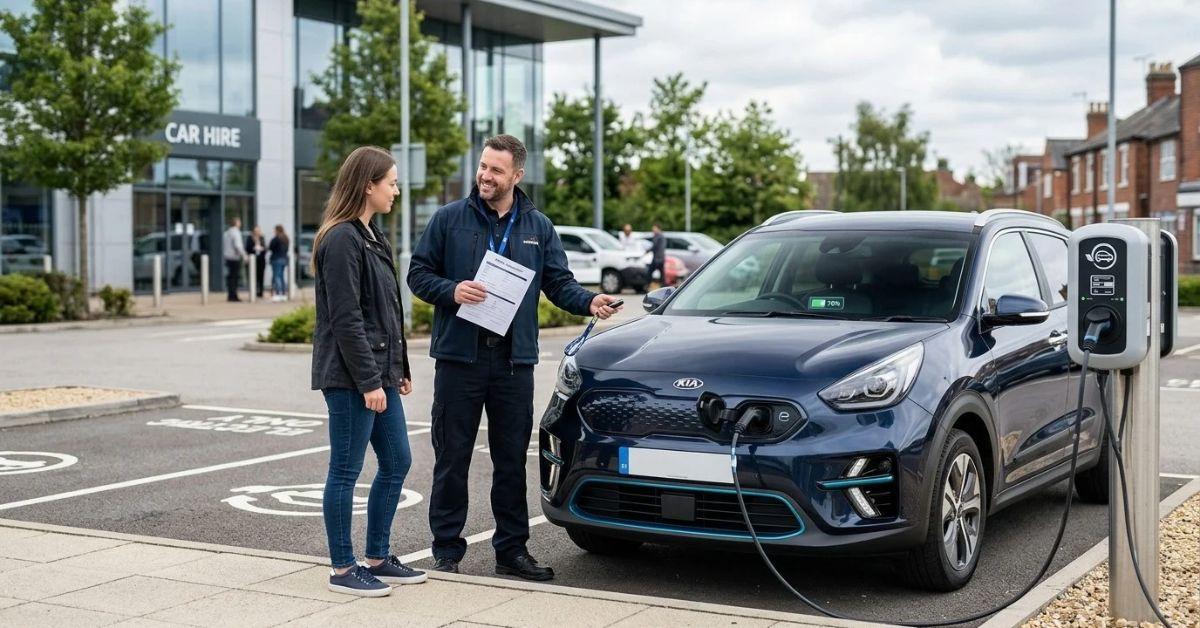
Hiring an electric car in the UK can be a practical way to travel, whether you are planning a weekend break, a business trip or a longer road journey. Electric vehicles (EVs) offer quiet driving, instant acceleration and the chance to avoid petrol or diesel costs.
However, hiring an EV is slightly different from renting a conventional car. You need to consider charging, battery range, rental terms and the type of vehicle that suits your journey.
This guide explains what to know before booking an electric car hire in the UK, including costs, charging and useful tips for a smoother trip.
How Does Electric Car Hire Work in the UK?
Electric car hire works much like ordinary car rental. You choose a vehicle, select your collection and return dates, provide the required documents and pay the rental charges.
The main difference is that an electric car uses a rechargeable battery instead of petrol or diesel. You will need to plan where to charge it during your journey and check the rental company's battery and charging policies.
Many major car hire companies offer electric vehicles, although availability depends on the location, vehicle category and booking dates. Airport branches may have a wider choice than smaller local outlets.
When searching for an electric car rental UK option, look for a fully electric vehicle rather than assuming every hybrid listing is battery-powered.
How Much Does Electric Car Hire Cost in the UK?
The cost of electric car hire depends on several factors, including the vehicle model, rental duration, location, season and availability.
A small electric hatchback may cost less than a premium electric saloon or SUV. Hiring for a week may also offer different daily rates compared with a short weekend rental.
Before booking, consider these costs:
-
Daily or weekly rental price: The basic charge for using the vehicle.
-
Security deposit: The amount held by the rental company, subject to its terms.
-
Insurance and excess: Check what is included and what you may have to pay if the car is damaged.
-
Charging: Public charging may involve separate electricity costs.
-
Additional mileage: Some rental agreements have mileage limits.
-
Extra charges: These may include additional drivers, late returns or other optional services.
Electric car hire is not always cheaper than petrol car hire. A lower rental price does not automatically mean lower overall costs, and public charging prices can vary.
The best approach is to compare the total estimated cost of the journey rather than looking only at the daily rental rate.
What Is Included in Electric Car Hire?
Rental packages vary, so read the terms carefully before confirming your booking.
Check whether the rental includes a charging cable, the type of cable supplied and the battery level expected at collection and return.
Some companies may require the vehicle to be returned with a particular charge level. Others may apply a fee if the battery is below the agreed level.
You should also check:
-
Mileage allowance.
-
Breakdown assistance.
-
Insurance cover and excess.
-
Charging payment arrangements.
-
Collection and return times.
-
Whether the vehicle is fully electric or a plug-in hybrid.
If you are unfamiliar with EVs, ask the rental staff to explain the charging process before leaving. A few minutes of guidance can prevent confusion later.
How to Charge an Electric Hire Car
Charging is one of the most important things to understand before hiring an electric vehicle.
You can usually charge an EV at home, at a hotel with suitable facilities or at public charging stations. The available options depend on the vehicle and the charging equipment.
Home and destination charging
If your accommodation has an EV charger, overnight charging may be convenient. Some hotels and holiday properties offer charging facilities, but availability should be confirmed before travelling.
A standard household socket may charge some vehicles, but it is generally much slower than a dedicated EV charger. Always follow the rental company's instructions and use suitable equipment.
Public charging stations
Public chargers are available at many car parks, shopping centres, service areas and motorway locations.
Charging speeds vary:
-
Slow charging: Useful when the car can be left for several hours.
-
Fast charging: Suitable for topping up during a stop.
-
Rapid charging: Helpful on longer journeys when you need to recharge more quickly.
The charging time depends on the vehicle's battery, charger power, battery level and other conditions. Do not assume every rapid charger will charge every EV at the same speed.
How to find a charger
Plan your charging stops before setting off. EV charging apps and route-planning tools can help you find compatible stations and check their locations.
It is also worth checking how payment works. Some chargers accept contactless payments, while others may require an app or account.
How Far Can an Electric Hire Car Travel?
An electric car's range is the distance it can travel on a full battery under stated test conditions. The actual distance you achieve may be different.
Factors that affect range include:
-
Driving speed.
-
Weather and temperature.
-
Use of heating or air conditioning.
-
Traffic and road conditions.
-
Driving style.
-
Vehicle load.
-
Battery condition.
For a longer UK road trip, choose a vehicle with enough range for your planned journey and allow time for charging stops.
It is sensible to keep a buffer rather than planning to arrive at a charger with almost no battery remaining. If the battery becomes low, use the vehicle's navigation system or a charging app to find a suitable station.
How to Book an Electric Car in the UK
Booking an electric car is straightforward when you know what to check.
1. Choose your collection and return locations.
Airport, city and local branches may have different prices and vehicle availability.
2. Enter your rental dates.
Prices and available models can change depending on the season and demand.
3. Select a fully electric vehicle.
Use the fuel-type filter where available. Check the vehicle details rather than relying only on the listing title.
4. Compare the rental terms.
Review the daily price, mileage, deposit, insurance excess and charging policy.
5. Check the vehicle's range and size.
Make sure it has enough space for passengers and luggage, as well as sufficient range for your trip.
6. Confirm the booking.
Read the final terms, collection instructions and return requirements before paying.
Electric Car Hire vs Petrol Car Hire: Which Is Better?
Both options have advantages, and the right choice depends on your journey.
|
Factor |
Electric car hire |
Petrol car hire |
|
Fuel |
Requires charging |
Requires petrol |
|
Driving experience |
Quiet, instant power |
Familiar engine response |
|
Journey planning |
Charging stops may be needed |
Fuel stops are usually quicker |
|
Running costs |
Depends on charging prices |
Depends on petrol prices |
|
Best suited to |
Trips with convenient charging |
Journeys needing maximum refuelling flexibility |
An electric car can be a good choice for city travel, everyday driving and road trips where charging is easy to plan.
A petrol car may be more convenient if you are travelling through areas with limited charging options or need to minimise stopping time.
What to Check Before Collecting Your EV
Before driving away, inspect the vehicle and confirm its condition.
Check the exterior for existing damage and make sure it is recorded in the rental agreement. Confirm the battery charge level, locate the charging cable and ask how to connect it correctly.
You should also understand the basic controls, including how to start the vehicle, select drive, use regenerative braking and find the charging information on the dashboard.
Take a moment to save the rental company's contact details and roadside assistance number.

 English
 Arabic
 French
 Spanish
 Portuguese
 Deutsch
 Turkish
 Italiano
 Russian
 Romaian
 Portuguese (Brazil)
 Greek
Greek