


Buying a Car Privately With Finance: A Complete UK Guide
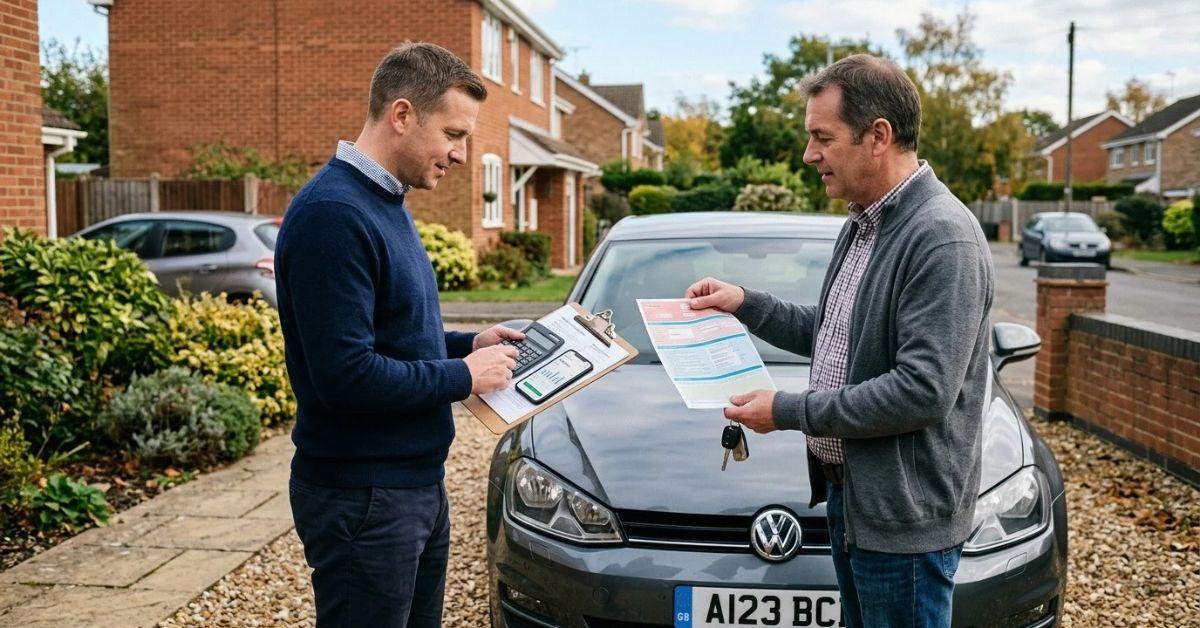
Buying a car privately can be an attractive option if you want more choice, room to negotiate or potentially a lower purchase price than buying through a dealer. However, if you cannot pay the full amount upfront, financing the purchase requires some additional planning.
For buyers who prefer the reassurance of purchasing through a used car dealer, comparing both routes can also help you understand the differences in finance options, vehicle checks and buyer protection.
Unlike dealership purchases, where finance may be arranged alongside the vehicle purchase, a private sale means you need to understand how you will fund the car and carry out your own checks before handing over money. From choosing the right finance option to checking the vehicle’s history and confirming its ownership, each step matters.
Here is what to consider before buying a car privately with finance in the UK.
Can You Buy a Car Privately With Finance?
Yes, but the finance options available can differ from those offered by dealerships.
A personal loan is one potential route. You borrow an agreed amount from a lender and use the funds to purchase the vehicle from the private seller. Depending on the lender and your circumstances, this can give you flexibility over where you buy the car.
Some specialist lenders may also offer finance designed for private vehicle purchases. However, eligibility, loan amounts, interest rates and terms vary, so it is important to compare the total amount repayable, rather than choosing an option solely because it has a low monthly payment.
What Should You Check Before Financing a Private Car?
Finance approval does not replace the need to investigate the vehicle. In a private transaction, you have greater responsibility for checking the car's condition, history and documentation.
Before committing to the purchase:
-
Check the vehicle's registration and VIN.
-
Review its MOT history and recorded mileage.
-
Inspect the V5C logbook and ensure the details correspond with the vehicle.
-
Ask to see servicing and maintenance records.
-
Arrange a proper inspection and test drive.
-
Consider an independent vehicle history check.
-
Keep a copy of the original advert and any important messages with the seller.
A history check can help identify issues such as outstanding finance, previous write-offs or theft. It is a relatively small expense compared with the potential cost of buying a problematic vehicle.
What If the Car Has Outstanding Finance?
This is one of the most important checks when buying privately.
A vehicle can appear perfectly legitimate while still having finance recorded against it. If you discover outstanding finance, do not simply transfer the agreed purchase price to the seller and hope they settle the balance afterwards.
Instead, establish what finance remains, obtain appropriate confirmation from the finance company and understand how the outstanding balance will be settled before completing the purchase.
A vehicle history check is therefore an important part of the buying process, particularly when purchasing from a private seller.
Private Sale vs Dealership: What's the Difference?
The biggest difference is the level of responsibility placed on the buyer.
|
Factor |
Private Sale |
Dealership |
|
Vehicle choice |
Individual seller's car |
Dealer inventory |
|
Price negotiation |
Often more flexible |
Depends on dealer |
|
Finance |
Usually arranged separately |
Often available through dealer |
|
Vehicle checks |
Mainly your responsibility |
Dealer normally prepares vehicle |
|
Warranty |
Usually limited or none |
May be included |
|
Consumer protection |
Generally more limited |
Greater protection when buying from a trader |
A private purchase can be cheaper, but that potential saving needs to be balanced against the additional checks you must make yourself. Private buyers generally have fewer protections than buyers purchasing from a dealer.
How Much Should You Budget?
Don't base your decision solely on whether you can afford the monthly repayment.
Your budget should also account for:
-
Deposit or upfront contribution
-
Interest and APR
-
Total amount repayable
-
Insurance
-
Vehicle tax
-
MOT
-
Servicing
-
Repairs and maintenance
-
Unexpected costs
A longer finance term can reduce the monthly payment but may increase the overall cost of borrowing. Before agreeing to finance, calculate whether the complete arrangement remains affordable throughout the term.
How to Pay a Private Seller Safely
Once you've found the right car and completed your checks, take care with the payment process.
Avoid transferring substantial sums before you have seen the vehicle, verified the seller and checked the relevant documentation. Be cautious if someone pressures you to pay immediately or offers a price that seems unusually low.
A sensible process is to:
-
View and inspect the vehicle.
-
Verify the seller and vehicle details.
-
Complete the relevant history checks.
-
Agree the final price.
-
Arrange your finances.
-
Confirm how and when payment will be made.
-
Obtain a signed, dated receipt.
-
Keep copies of the advert, messages and transaction records.
MoneySavingExpert also recommends retaining a signed receipt containing key details of the buyer, seller, vehicle and purchase price.
What Protection Do You Have When Buying Privately?
This is an important consideration before choosing a private sale simply because the asking price looks attractive.
When buying from a private individual, you generally have fewer rights than when purchasing from a trader. That makes your own due diligence particularly important. You should investigate the car's history, condition and documentation before agreeing to buy it.
If a seller has made claims about the vehicle, keep evidence of those statements. Save the original advert and relevant correspondence rather than relying solely on verbal promises.
A Simple Private-Finance Buying Checklist
Before completing the purchase, ask yourself:
✓ Have I compared the total cost of the finance?
✓ Have I checked the vehicle's MOT and history?
✓ Have I confirmed the V5C details?
✓ Have I checked for outstanding finance?
✓ Have I inspected and test-driven the car?
✓ Have I verified the seller?
✓ Have I agreed exactly what is included in the sale?
✓ Do I have a safe payment arrangement?
✓ Will I receive a signed receipt?
✓ Can I comfortably afford the repayments and running costs?
If any answer is “no”, it may be worth delaying the purchase until the issue has been resolved.
Final Thoughts
Buying a car privately with finance can work well when you approach it as two separate decisions: choosing suitable finance and choosing a suitable vehicle.
The cheapest-looking car or lowest monthly repayment is not necessarily the best deal. Compare the overall borrowing cost, investigate the vehicle carefully, check for outstanding finance and make sure the seller and paperwork stand up to scrutiny.
Taking these steps before payment can help you avoid expensive surprises and make your private car purchase a much more informed decision.

 English
 Arabic
 French
 Spanish
 Portuguese
 Deutsch
 Turkish
 Dutch
 Italiano
 Romaian
 Portuguese (Brazil)
 Greek