


Practical Ways to Manage Lawn Insects in Silver Lake
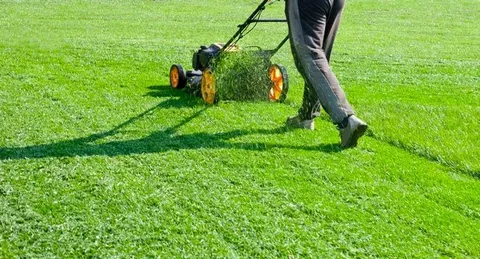
A healthy lawn can provide an attractive outdoor area for relaxing, entertaining, and enjoying time at home. However, insects can sometimes interfere with turf growth and appearance. Lawn pests may feed on grass blades, roots, or other plant parts, leading to thinning, discoloration, bare patches, or weakened turf. Because several different problems can create similar symptoms, identifying the cause before choosing a treatment is an important part of lawn care.
Florida lawns can encounter a variety of insect pests throughout the year. Chinch bugs, mole crickets, fall armyworms, sod webworms, and white grubs are among the insects that can affect turfgrass. UF/IFAS recommends monitoring lawns and identifying pests before selecting control measures because not every damaged area is caused by insects. Drought, nutritional problems, diseases, and other environmental conditions can also produce brown or declining grass.
Understanding Lawn Insect Problems
For homeowners considering Lawn Insects Control Silver Lake FL, understanding what is happening in the lawn is an important starting point. Different insects cause different types of damage and may live in different parts of the turf. Some feed above ground, while others remain near the soil surface or below ground. Proper identification can help homeowners determine whether the problem requires changes to lawn maintenance, closer monitoring, physical control, or a suitable treatment.
Recognizing Signs of Insect Activity
Lawn insect problems can produce several visible warning signs. Yellow or brown patches, thinning grass, irregular areas of dead turf, chewed blades, and grass that separates easily from the soil may indicate insect activity. However, these symptoms are not proof of an infestation by themselves. UF/IFAS notes that lawn damage can have many causes, so inspecting the affected area for insects or other evidence can help distinguish pest damage from unrelated lawn problems.
Watching for Chinch Bugs
Chinch bugs are particularly associated with St. Augustinegrass and can cause yellow or brown patches as they feed on grass. UF/IFAS explains that damaged areas often begin in hot, sunny, or water-stressed sections of the lawn. Because chinch bugs are very small, they can be difficult to notice without examining the boundary between healthy and damaged grass. Regular scouting can help homeowners recognize activity before affected areas become more extensive.
Checking for Mole Crickets
Mole crickets can create a different type of lawn problem because they tunnel through soil and feed on roots and shoots. Their activity can loosen turf and contribute to patches of declining grass. UF/IFAS identifies mole crickets as significant turf pests in Florida and notes that they can affect several types of turfgrass, with bahiagrass and bermudagrass among the grasses they commonly damage. Surface tunneling and raised areas of soil can provide clues that these insects are present.
Looking for Grubs Beneath the Turf
White grubs are larvae of beetles and can feed on turfgrass roots. Damage may initially appear as yellowing or thinning grass and can become more noticeable when turf is already stressed. UF/IFAS notes that significant grub damage can produce larger areas of dead turf, particularly during periods when grass is under environmental stress. Examining the soil and root zone can help determine whether grubs are contributing to the problem.
Identifying Caterpillar Damage
Fall armyworms and sod webworms are examples of insects that can feed on grass blades. Fall armyworms are the larval stage of moths and can cause relatively uniform damage across sections of turf. UF/IFAS notes that fall armyworms can affect lawn grasses during spring and fall in Florida. Monitoring damaged areas can help homeowners determine whether caterpillars are present before deciding how to respond.
Keeping Turf Healthy
Maintaining healthy turf can make the lawn more resilient when insect pressure occurs. Proper mowing, irrigation, fertilization, and general maintenance can support stronger grass growth. UF/IFAS recommends preventive cultural practices as part of landscape insect management because maintaining healthy plants can reduce conditions that favor certain pests. A lawn-care routine should therefore focus on overall turf health rather than relying only on insect treatments.
Reviewing Irrigation Practices
Watering can influence both turf health and pest-related problems. Too little water can stress grass, while excessive irrigation can create other conditions that affect the lawn. Homeowners can inspect sprinkler coverage and look for areas that remain unusually dry or wet. Adjusting irrigation according to the turfgrass and site conditions can help maintain more consistent growth and make unusual changes easier to identify.
Maintaining Proper Mowing
Mowing correctly is another important part of lawn maintenance. Cutting grass too short can increase stress and reduce its ability to recover, while allowing excessive growth can make it more difficult to inspect the lawn. The appropriate mowing height depends on the turfgrass species. Homeowners should identify their grass type and follow suitable mowing practices rather than using the same height for every lawn.
Monitoring the Lawn Regularly
Regular inspection can help homeowners detect pest activity earlier. Pay particular attention to areas where grass repeatedly becomes thin, discolored, or damaged. Hot sunny sections, stressed turf, and locations with recurring problems may deserve additional inspection. UF/IFAS turfgrass guidance recommends checking lawns regularly during active pest periods, particularly in areas where damage tends to return.
Using Simple Inspection Methods
Some lawn insects can be investigated using straightforward scouting methods. For example, a soap-and-water flush can help bring certain insects, including mole crickets, toward the surface for observation. UF/IFAS also describes inspection methods for chinch bugs and other pests. These techniques can provide useful information, although homeowners should still identify the insect correctly before selecting a treatment.
Considering Non-Chemical Approaches
Not every insect problem requires immediate pesticide application. Improving irrigation, maintaining suitable mowing, reducing excessive thatch where appropriate, and supporting healthy turf can all contribute to broader pest management. UF/IFAS recommends using cultural and mechanical practices when available and preserving beneficial organisms that naturally contribute to pest control.
Applying Treatments Carefully
When a treatment is necessary, the product should be selected according to the identified pest and the turfgrass being treated. A product that controls one insect may not be appropriate for another, and improper application can affect desirable organisms or the surrounding environment. UF/IFAS advises following pesticide labels and current recommendations while considering factors such as application rates, timing, restrictions, and environmental conditions.
Protecting Beneficial Insects
A lawn contains more insects than just the species that cause damage. Some insects are beneficial predators that feed on pests or contribute to the wider landscape ecosystem. Broad or unnecessary pesticide applications can affect these helpful organisms. Using targeted treatments only when appropriate can help reduce unnecessary effects on beneficial insects and support a more balanced lawn environment.
Checking Results After Treatment
Pest management should not end immediately after a treatment is applied. Homeowners can continue observing the affected area to determine whether the grass is recovering and whether insect activity has declined. If damage continues, the original diagnosis may need to be reconsidered. Monitoring and evaluation are important parts of integrated pest management because they help determine whether an intervention actually addressed the problem.
Building a Long-Term Lawn Care Routine
Consistent lawn maintenance can make insect problems easier to identify and manage. Regular mowing, appropriate watering, suitable nutrition, routine observation, and attention to recurring problem areas can all support healthier turf. Keeping notes about when and where damage appears can also help homeowners recognize seasonal patterns and provide useful information when discussing the problem with a lawn-care service.
Taking a Practical Approach to Lawn Insects
Lawn insect management is easier when homeowners first determine what is affecting the turf and then choose a response based on the actual problem. Checking damaged areas, identifying insects, reviewing lawn conditions, improving maintenance practices, and using treatments carefully can create a more organized approach. For Silver Lake homeowners experiencing recurring insect activity, understanding the lawn's condition can help guide decisions about monitoring and appropriate control.
If your lawn is showing unexplained brown patches, thinning grass, visible insects, tunneling, or other signs of pest activity, consider arranging an appropriate lawn assessment. Contact a lawn-care service today to discuss the insects you have noticed, your turfgrass type, recent maintenance practices, lawn condition, and suitable next steps for your Silver Lake property.

 English
 Arabic
 French
 Spanish
 Deutsch
 Turkish
 Dutch
Dutch
 Italiano
 Russian
 Romaian
 Portuguese (Brazil)
 Greek
Greek