


Carpet Cleaning Services Pakistan A Practical Guide to Choosing the Right Cleaning Method
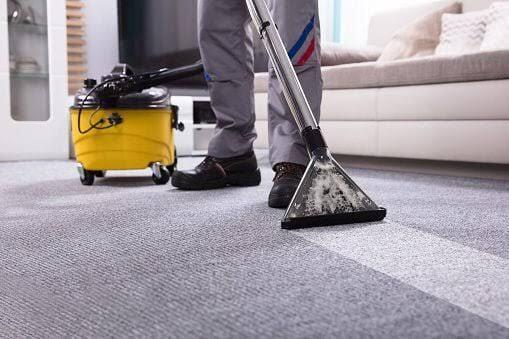
Carpets add warmth and comfort to homes, offices, hotels, and commercial spaces, but they also collect dust, soil, food particles, hair, and everyday spills. In Pakistan, carpets may face additional challenges from dusty weather, frequent foot traffic, and the need to keep indoor spaces comfortable and clean.
The important question is not simply whether a carpet needs cleaning. It is what type of cleaning the carpet actually needs.
A light surface clean may be enough for recently accumulated dust, while an older carpet with embedded dirt or stains may require a deeper process. Choosing the wrong approach can leave moisture behind, fail to remove the actual source of the problem, or potentially affect delicate fibres.
This guide explains what to consider when comparing carpet cleaning services Pakistan, from the condition of the carpet to the cleaning method and drying requirements.
Start With the Carpet, Not the Cleaning Method
Different carpets respond differently to cleaning. Before arranging a professional service, consider:
- Fibre type: Wool, synthetic fibres, and blended carpets can have different care requirements.
- Age: Older carpets may need gentler handling, particularly if the backing or fibres have weakened.
- Colour: Some dyes can be more sensitive to moisture or cleaning chemicals.
- Construction: Hand-knotted, handmade, tufted, and machine-made carpets are not necessarily cleaned in exactly the same way.
- Previous treatment: A carpet that has already been treated with stain removers or other chemicals may require additional care.
If you are unsure about the material, check any manufacturer care label or ask the cleaner to inspect it before treatment.
Match the Cleaning to the Problem
Not every dirty-looking carpet requires the same treatment.
1. Routine dust and surface dirt
Regular vacuuming removes loose particles before they become deeply embedded. If the carpet mainly has accumulated dry dust and ordinary household soil, a professional cleaning may focus on removing deeper particles and refreshing the fibres.
2. Food and drink spills
Fresh spills should be addressed promptly. Blotting is generally preferable to aggressive rubbing because rubbing can spread the liquid and work it further into the carpet.
A professional cleaner can assess whether a stain needs a specific treatment rather than simply applying more detergent.
3. Old or stubborn stains
Older stains can be more difficult because the material may have penetrated deeper into the carpet. The original substance also matters. Tea, coffee, grease, mud, ink, and other substances do not necessarily respond to the same treatment.
A responsible service should avoid promising that every stain will disappear completely. Some stains can permanently alter the colour of the fibre.
4. Carpets with heavy foot traffic
Hallways, entrances, office corridors, and living areas can become visibly darker in frequently walked areas. In these situations, cleaning may need to address accumulated soil rather than only treating individual marks.
What Happens During Professional Carpet Cleaning?
The exact process varies according to the carpet and equipment used, but a professional cleaning appointment commonly involves several stages.
Inspection:
The carpet is checked for its material, condition, visible stains, heavily soiled areas, and potential problem spots.
Preparation:
Loose objects may be removed, and loose dirt can be extracted before deeper cleaning begins.
Spot treatment:
Specific stains may receive targeted treatment where appropriate.
Main cleaning:
The cleaner uses a method suitable for the carpet. Depending on the circumstances, this can involve controlled moisture, extraction, low-moisture techniques, or other specialised processes.
Extraction or soil removal:
Where a wet process is used, equipment is typically used to remove as much moisture and loosened soil as practical.
Drying:
Adequate ventilation and drying time are important. A carpet should not simply be assumed to be ready for normal use immediately after a wet cleaning.
Why Drying Deserves More Attention
One of the easiest things to overlook when arranging carpet cleaning is what happens after the cleaning itself.
Excessive moisture can create practical problems, particularly if the carpet and its underlying layers do not dry properly. The exact drying time depends on factors such as:
- Amount of moisture used
- Carpet thickness
- Room ventilation
- Temperature and humidity
- Carpet backing
- Whether the carpet is installed or removable
Before the cleaner begins, ask how the carpet will be dried and when it can safely be walked on or have furniture returned to it.
For homes and offices in Pakistan, good airflow can be particularly useful during the drying stage. However, drying requirements should be determined according to the specific carpet rather than relying on a fixed number of hours.
Choosing a Carpet Cleaning Service in Pakistan
When comparing service providers, price should not be the only consideration.
Ask a few practical questions first:
Does the service identify the carpet material?
A cleaner should be interested in what they are cleaning. A standard approach may not be appropriate for every carpet.
Do they inspect stains before treatment?
Different stains require different approaches. A quick inspection can help avoid inappropriate treatment.
What equipment and method will be used?
Ask whether the service uses extraction, low-moisture cleaning, or another method, and why that method is suitable for your carpet.
How is moisture handled?
If the cleaning involves water or cleaning solutions, ask how the remaining moisture will be removed and what drying conditions are recommended.
Are there any limitations?
A professional service should be able to explain that some stains, fading, fibre damage, or permanent discolouration may not be completely reversible.
Clear expectations are more useful than unrealistic promises.
Common Carpet-Cleaning Mistakes to Avoid
Using too much cleaning product
More detergent does not automatically mean a cleaner carpet. Excess product can leave residue if it is not properly removed.
Scrubbing stains aggressively
Hard scrubbing can damage fibres or spread a stain. Blotting and appropriate treatment are generally safer starting points.
Ignoring the carpet's backing
Cleaning is not only about the visible surface. Excessive moisture can affect the carpet and its underlying materials.
Replacing regular maintenance with occasional deep cleaning
Professional cleaning cannot compensate for months of neglected vacuuming. Routine care helps reduce the amount of soil that becomes embedded in the carpet.
Walking on a damp carpet unnecessarily
After a wet cleaning process, unnecessary foot traffic can interfere with drying and may transfer fresh dirt onto the cleaned surface.
A Simple Maintenance Routine Between Professional Cleanings
Professional cleaning works best when combined with everyday care.
- Vacuum regularly, especially in high-traffic areas.
- Deal with spills as soon as practical.
- Avoid rubbing stains aggressively.
- Use suitable mats at entrances to reduce tracked-in dirt.
- Move furniture carefully rather than dragging it across the carpet.
- Follow the manufacturer's care instructions where available.
- Have heavily used carpets inspected when routine cleaning no longer keeps them looking or feeling clean.
The appropriate frequency of professional cleaning depends on the carpet, traffic, household conditions, and how quickly visible soil accumulates. There is no single schedule that is correct for every property.
FAQs
How do I know if my carpet needs professional cleaning?
Visible soil, persistent stains, unpleasant odours, flattened high-traffic areas, or dirt that remains after normal vacuuming can indicate that a deeper cleaning may be appropriate.
Can professional carpet cleaning remove every stain?
No. The result depends on the substance, how long it has been present, the carpet fibre, previous treatments, and whether the colour or fibre has already been permanently affected.
Is every carpet safe to clean with water?
No. Cleaning requirements vary by material and construction. The carpet should be assessed before selecting a moisture-based method.
How long does a carpet take to dry?
There is no universal drying time. It depends on the cleaning process, carpet construction, moisture level, ventilation, temperature, and humidity.
Final Thoughts
Good carpet cleaning starts with understanding the carpet and the problem, rather than applying the same process to every floor covering. For homes and businesses across Pakistan, the right approach should consider the carpet's material, level of soiling, stains, cleaning method, and drying requirements.
When comparing carpet cleaning services, ask practical questions before booking. A service that explains its process, recognises the limitations of stain removal, and considers the condition of the carpet can help you make a more informed decision and protect the carpet for longer.

 Arabic
 French
 Spanish
 Portuguese
 Deutsch
 Turkish
 Dutch
Dutch
 Italiano
 Russian
 Romaian
 Portuguese (Brazil)
 Greek
Greek