


Building the Right Skills for a Future in Drone Technology
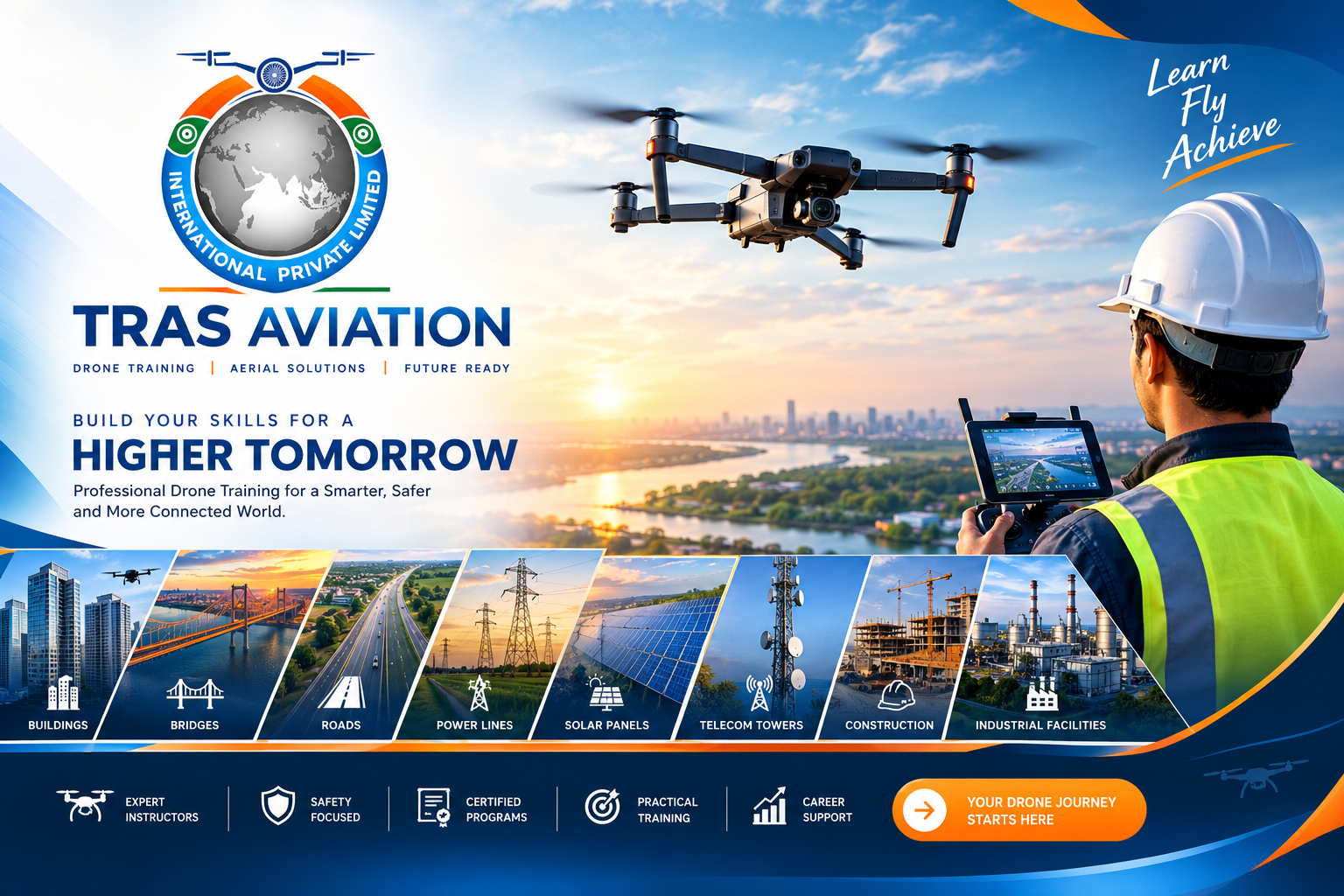
Drone technology has moved beyond being something used only for entertainment. Today, unmanned aircraft are being explored and used across areas such as agriculture, construction, surveying, inspection, photography, mapping, infrastructure monitoring, and other professional applications.
As these applications continue to develop, there is a growing interest in learning how drones operate, how they are maintained, and how they can be used safely for different types of work. For beginners, getting started can seem difficult because modern drones combine mechanical parts, electronics, software, communication systems, and flight controls.
A structured learning approach can make this process easier. Instead of trying to understand everything at once, learners can begin with basic concepts and gradually develop practical knowledge.
One area of learning is Drone Certification Courses, which can help learners understand important aspects of drone operation, safety, equipment, and professional flying.
Understanding the Basics Before Flying
Learning to operate a drone starts with understanding the aircraft itself. A drone is made up of several components that work together to make controlled flight possible.
Motors and propellers help generate movement and lift. Batteries provide the required power. Flight controllers process information and manage different aspects of flight. Sensors can provide information about movement and the surrounding environment, while communication systems connect the aircraft with the operator.
Understanding these basic functions can make flying easier to learn because students begin to understand what is happening rather than simply moving controls and observing the result.
This knowledge can also help learners recognize when something does not appear normal during a flight.
Why Structured Training Can Help
Many people start learning about drones through online videos or casual practice. While these resources can be useful, beginners may still miss important areas of knowledge.
A structured training program can provide a clearer learning path. Students can first understand basic concepts, then move toward practical exercises and gradually become familiar with more advanced topics.
Instructors can also provide feedback during practical sessions. This can help learners identify mistakes early and develop better habits.
Training is not only about learning how to take off and land. It can include safety, equipment handling, flight preparation, basic troubleshooting, and understanding different operating situations.
The Importance of Practical Experience
Practical learning is particularly important when studying drones. A person may understand the theory behind flight but still need practice to become comfortable with the controls.
During practical sessions, learners can become familiar with hovering, movement, direction changes, landing, and other basic activities. They can also learn how the aircraft responds to different control inputs.
Repeated practice can improve coordination and awareness.
Practical activities can also introduce learners to real-world situations. A drone may behave differently because of wind, obstacles, battery levels, or other environmental factors. Learning how to respond calmly and safely is an important part of becoming a responsible operator.
Learning About Drone Maintenance
Flying knowledge is only one part of understanding drones. Equipment also needs regular inspection and maintenance.
A drone can contain many components that may experience wear or damage over time. Propellers can become damaged, motors can develop problems, batteries can lose performance, and electrical connections can require inspection.
Learning about these components can help pilots become more aware of the condition of their equipment.
For people who want to explore the technical side of the industry, a drone service technician course can provide an introduction to areas such as component identification, maintenance, inspection, assembly, and troubleshooting.
Technical knowledge can also complement flying skills. A pilot who understands basic equipment maintenance may be better prepared to identify simple problems before beginning a flight.
Understanding Drone Components
Modern drones use several important components, and beginners can benefit from learning their basic functions.
Motors
Motors provide the power required to rotate the propellers. Their condition can have a direct effect on aircraft performance.
Propellers
Propellers generate the required lift and movement. They should be inspected regularly for cracks, damage, or other visible issues.
Batteries
Batteries provide power to the aircraft. Proper charging, storage, handling, and inspection are important for safe operation.
Flight Controller
The flight controller processes information from different systems and helps control the aircraft's movement.
Sensors
Sensors can provide information that supports stability, positioning, and other flight functions.
Learning how these parts work together gives students a better understanding of the aircraft as a complete system.
Exploring Aeromodelling
Aeromodelling provides another interesting way to explore aircraft technology. It involves designing, building, modifying, and operating model aircraft.
For beginners, model aircraft can make aviation concepts easier to understand because learners can physically see and work with the structure.
A Drone Aeromodelling Course in Gurgaon can introduce learners to concepts such as aircraft structure, propulsion, balance, control, and basic flight principles.
Hands-on activities can help students understand how different components contribute to the performance of a flying model.
Aeromodelling can be particularly interesting for students who enjoy engineering, electronics, aviation, robotics, or technology.
Understanding Balance and Stability
Balance is an important concept in flying machines. The position and weight of components can affect how an aircraft behaves.
When building or modifying a model, learners can observe how changes in weight distribution affect stability and control.
These practical observations can help make theoretical concepts easier to understand.
The same curiosity can encourage learners to explore more advanced subjects related to aircraft design and drone technology.
Developing Troubleshooting Skills
Technical problems can happen with any electronic or mechanical equipment. Learning how to investigate a problem systematically is therefore useful.
A drone may fail to start, show unusual motor behavior, lose communication, produce a warning, or behave differently during flight.
Instead of immediately replacing components, learners can develop a step-by-step approach. They can inspect the aircraft, check connections, examine the battery, look for physical damage, and consider whether software or configuration could be involved.
This approach encourages logical thinking and patience.
Troubleshooting is also a skill that improves with practice. The more technical situations learners encounter, the more comfortable they can become with identifying possible causes.
Developing Safety Awareness
Safety should remain an important part of drone education.
Before a flight, pilots should inspect their equipment and consider the operating environment. They should be aware of nearby people, buildings, trees, power lines, weather conditions, and other possible hazards.
Learning to conduct proper checks can help beginners understand that professional drone operation requires preparation.
Good safety habits should become part of the normal flying routine rather than something that is considered only when a problem occurs.
Combining Different Drone Skills
Drone technology involves several areas of knowledge. Flying, maintenance, assembly, aeromodelling, photography, mapping, and inspection can all involve different skills.
Learners do not necessarily have to specialize immediately. Exploring different areas can help them discover what interests them most.
Someone who enjoys electronics may prefer technical maintenance. Another learner may enjoy photography or video. Someone interested in geography and measurement may explore mapping and surveying.
Building basic knowledge across different areas can help learners make more informed decisions about future training.
Career Possibilities in the Drone Industry
The growing use of drones has created interest in professionals with different types of skills.
Pilots may work on photography, surveying, mapping, agriculture, inspection, or other operations. Technical professionals can work with maintenance, assembly, testing, and equipment support.
There are also opportunities connected to drone data, software, training, and specialized applications.
The requirements for each role can vary, so learners should research the qualifications and practical skills relevant to their preferred career path.
The Value of Hands-On Learning
Practical experience can make a major difference when learning technical subjects.
Working directly with aircraft components allows learners to see how systems fit together. Building or inspecting a model can help students understand concepts that may otherwise seem abstract.
Hands-on learning can also encourage confidence. Completing a practical task successfully can motivate learners to take on more challenging activities.
Even when a project does not work perfectly on the first attempt, the process can provide useful lessons. Identifying a mistake and correcting it is part of technical learning.
Continuing to Develop Skills
Drone technology continues to change. New aircraft, software, cameras, sensors, batteries, and applications are introduced regularly.
For this reason, learning should not necessarily stop after completing an initial course. Continued practice and education can help professionals stay familiar with developments in the field.
Learners can also expand their abilities by exploring specialized applications. For example, a pilot may later learn aerial photography, mapping, inspection, or agricultural drone operations.
Technical learners may explore advanced maintenance, electronics, assembly, or system troubleshooting.
Choosing a Learning Path
Before choosing a training program, learners should consider their goals. Someone who wants to become a professional pilot may focus on flight training and operational knowledge.
A person interested in technical work may prefer maintenance and assembly. Someone interested in aviation and model aircraft may find aeromodelling more engaging.
There is no single path that applies to everyone. The best starting point depends on the learner's interests, existing knowledge, and future goals.
What matters is developing a strong foundation and gaining practical experience along the way.
Building a Future With Drone Technology
Drones bring together aviation, electronics, software, engineering, photography, and other areas of technology. This combination makes the field suitable for people with a wide range of interests.
For beginners, starting with the fundamentals can make the technology easier to understand. With proper guidance, practical experience, and continued learning, students can gradually develop skills that may be useful in professional environments.
Learning about the aircraft, understanding its components, practicing safe operation, and exploring technical areas can all contribute to a broader understanding of the industry.
Conclusion
Drone technology is creating new learning opportunities for students, beginners, hobbyists, and professionals. However, building useful skills requires more than simply learning how to control an aircraft.
A strong foundation can include knowledge of flight, safety, components, maintenance, assembly, troubleshooting, and practical applications. Exploring aeromodelling can also provide an engaging way to understand basic aviation concepts.
With structured education and hands-on practice, learners can gradually become more comfortable with drones and discover the area that interests them most.
Whether someone is interested in professional flying, technical support, aeromodelling, photography, surveying, inspection, or another application, continued learning can help them develop the knowledge needed to move forward in this growing field.

 English
 Arabic
 French
 Spanish
 Portuguese
 Deutsch
 Dutch
Dutch
 Italiano
 Russian
 Romaian
 Portuguese (Brazil)
 Greek
Greek