


Security Services Company Solutions for London Businesses
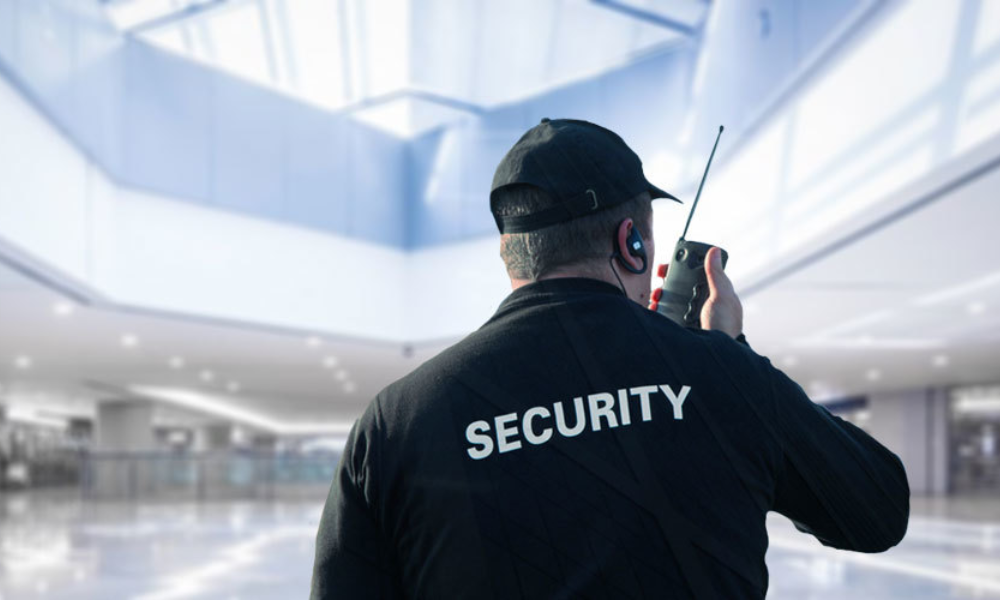
London businesses operate across a wide range of commercial environments, from offices and retail premises to warehouses, construction sites and industrial facilities. Each property can face different security concerns, including unauthorised access, theft, vandalism, property damage and disruption to normal operations. As a result, businesses often need security arrangements that reflect the characteristics of their premises rather than relying on a single protective measure.
Professional security services can support businesses through a combination of trained personnel, established procedures and suitable security systems. Depending on the property and its requirements, solutions may include security guarding, access control, mobile patrols, keyholding, alarm response and CCTV-related services. The appropriate combination depends on factors such as the property's size, operating hours, visitor activity and identified security risks.
Security Guarding for Commercial Premises
Security guarding can provide a physical presence at commercial properties and help businesses monitor activity throughout the day. Guards may be positioned at entrances, reception areas, gates or other designated locations, depending on the requirements of the site. Their responsibilities can include monitoring access, observing activity and reporting security concerns through established procedures.
The Security Industry Authority (SIA) regulates several private security activities, including security guarding. Where security guarding is provided under a contract for services, the relevant operative will generally need an appropriate SIA licence. Businesses should understand the licensing requirements that apply to the duties being performed on their premises.
Access Control and Visitor Management
Controlling access is an important part of protecting commercial buildings. London businesses may have employees, contractors, clients, delivery drivers and other visitors entering their premises throughout the day. Without suitable procedures, it can become difficult to maintain awareness of who is entering the building and which areas they are authorised to access.
Security personnel can support access-control procedures by checking identification where required, monitoring entrances, managing visitor passes and directing contractors or visitors to appropriate areas. These duties can also work alongside electronic access-control systems and CCTV, creating several layers of monitoring around important entry points.
Mobile Security Patrols
Mobile patrols can provide regular physical checks across commercial properties, particularly where a large site contains multiple buildings, entrances or external areas. Patrol officers may check designated locations at agreed intervals and report concerns such as unsecured doors, damaged fencing, unusual activity or other issues that require attention.
The frequency and route of patrols should reflect the individual property and its security requirements. A large warehouse or industrial site may require broader perimeter coverage, while a smaller commercial premises may need more focused checks. Mobile patrols can also be used during evenings, overnight periods or other times when a property has fewer employees present.
Keyholding and Alarm Response
Some businesses require security arrangements that continue beyond normal working hours. Keyholding services can provide an alternative contact for situations where a property needs to be accessed following an alarm activation or other security-related event. This can be particularly relevant when business owners or employees do not want to be responsible for responding to alarms themselves.
Alarm response arrangements should be clearly defined before the service begins. Procedures can establish who is contacted, how an alarm activation is handled and when additional assistance may be required. The exact responsibilities will depend on the service provided and the circumstances of the individual property.
Protecting Business Assets
Commercial properties can contain valuable stock, computers, machinery, vehicles, tools and specialist equipment. Security measures can help businesses monitor these assets and reduce opportunities for unauthorised access, theft or damage. Physical security personnel can patrol designated areas and report concerns according to agreed procedures.
Different properties may require different approaches to asset protection. Retail premises may need attention around stock and customer areas, while warehouses may focus on loading areas, storage facilities and vehicle access. Construction sites can have additional concerns because equipment and materials may remain on-site outside normal working hours.
Security Support for Office Buildings
Office buildings can require security measures that balance protection with the normal movement of employees, clients and visitors. Security personnel may work at reception areas, monitor entrances and support visitor-management procedures while maintaining a professional approach to people entering the premises.
Offices can also contain sensitive documents, computer equipment and confidential business information. Controlling access to restricted areas can therefore be an important consideration. Security arrangements can be combined with electronic access systems, CCTV and internal procedures to help businesses maintain better control over different parts of a building.
Security for Retail and Customer-Facing Businesses
Retail businesses face particular challenges because customers, employees, suppliers and delivery personnel may all be present at the same time. Security personnel can help monitor entrances and exits, observe activity and support established procedures for dealing with security concerns.
Retail security can also involve protecting stock and supporting staff when incidents occur. Guards should operate within their training, legal responsibilities and agreed procedures. Their role can complement other measures such as CCTV, electronic article surveillance and controlled access to staff-only areas.
Supporting Construction and Industrial Sites
Construction and industrial sites can have different security requirements because of their size, equipment, materials and working conditions. Unauthorised access may create both security and safety concerns, particularly where machinery, tools or unfinished structures are present.
Security arrangements for these sites can include gatehouse guarding, perimeter patrols, visitor management and out-of-hours monitoring. Procedures should take account of the site's layout, authorised personnel, vehicle movements and areas that require restricted access. Regular communication between security personnel and site management can also help ensure that responsibilities remain clear.
Using Technology Alongside Security Personnel
Technology can provide another layer of protection for London businesses. CCTV, electronic access control, alarms and other monitoring systems can help organisations observe activity and identify potential security concerns. Security personnel can complement these systems by providing physical oversight and following established procedures when an alert or incident occurs.
Businesses should understand that different regulated security activities can have separate SIA licensing requirements. For example, security guarding and public-space surveillance using CCTV are distinct licensable activities. Businesses should therefore make sure personnel have the appropriate licence for the specific duties they perform.
Choosing Appropriate Security Services
When researching security services company solutions, businesses should consider the actual requirements of their premises rather than selecting services solely because they are widely available. Factors such as property size, operating hours, visitor numbers, valuable assets, access points and previous security concerns can all influence the appropriate arrangement.
Businesses may also consider whether a provider participates in the SIA's Approved Contractor Scheme (ACS). ACS is a voluntary quality-assurance scheme for private security companies, and approval applies to specific security activities rather than automatically covering every service a company provides. The SIA assesses approved contractors across areas including staff training, financial management and health and safety.
Reviewing Security Arrangements Regularly
Business security requirements can change over time. A company may move to a larger premises, increase its workforce, introduce expensive equipment, change operating hours or alter how visitors access the building. Each of these changes can affect the security measures that may be appropriate.
Regular reviews can help businesses identify whether existing procedures continue to reflect their current environment. Reviewing incident records, access arrangements and security responsibilities can also highlight areas that may need adjustment. A flexible approach allows security measures to develop alongside changes in business operations.
Conclusion
Security services can provide London businesses with a range of practical solutions for managing property and operational risks. Security guarding, access control, mobile patrols, keyholding, alarm response and technology-based monitoring can each serve different purposes depending on the requirements of the premises.
There is no universal security arrangement suitable for every business. Offices, retail premises, warehouses, construction sites and industrial properties have different layouts, activities and vulnerabilities. By assessing individual requirements, understanding relevant SIA licensing rules and reviewing security procedures regularly, businesses can develop a structured approach to protecting their people, property and daily operations.

 English
 Arabic
 French
 Spanish
 Portuguese
 Deutsch
 Dutch
Dutch
 Italiano
 Russian
 Romaian
 Portuguese (Brazil)
 Greek
Greek