


Game Development Service: From Concept and Design to Launch
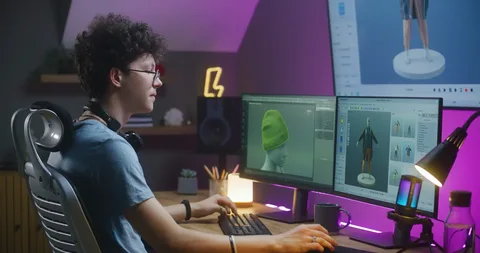
Creating a game is a complex process that combines creativity, technology, storytelling, design, and software development. A simple idea can become an engaging mobile, PC, console, or multiplayer game, but bringing that idea to life requires careful planning and the right development expertise.
This is where a professional game development service can help. From defining the initial concept to designing gameplay, developing characters and environments, writing code, testing the product, and preparing it for launch, a specialized team can manage the different stages involved in creating a complete game.
Whether you are a startup, established business, independent creator, or entertainment company, understanding the game development process can help you plan your project more effectively.
What Is a Game Development Service?
A game development service provides the expertise and resources needed to create a video game. Depending on the project, a development company may handle the entire process or provide support for specific stages.
A typical team can include:
-
Game designers
-
Game developers
-
2D and 3D artists
-
Animators
-
UI/UX designers
-
Backend developers
-
Sound designers
-
QA testers
-
Project managers
The team works together to turn the initial concept into a functional and polished gaming experience.
Some projects may require only a small team, while larger games can involve specialists across multiple disciplines.
1. Starting With the Game Concept
Every game begins with an idea. It could be a puzzle game, action title, strategy experience, role-playing game, simulation, sports game, or multiplayer project.
However, the initial idea needs to be clearly defined before development begins.
During the concept stage, the development team may examine:
-
Game genre
-
Target audience
-
Core gameplay
-
Story and setting
-
Characters
-
Visual style
-
Target platform
-
Multiplayer requirements
-
Monetization strategy
This stage establishes the foundation for the project.
A development team can also help determine whether the concept is technically practical and what resources may be required to build it.
2. Researching the Target Audience
Knowing who will play the game is important when making design decisions.
A mobile game aimed at casual players may require a different experience from a competitive PC multiplayer game.
Research can help identify:
-
Player preferences
-
Popular game mechanics
-
Platform usage
-
Competitor products
-
Expected difficulty
-
Monetization preferences
This information can help the development team create a game that is aligned with its intended audience.
The purpose is not to copy existing games but to understand the market and identify opportunities to create something distinctive.
3. Planning the Game Design
Once the concept has been established, the next step is detailed game design.
Game designers determine how the player will interact with the game and how the different systems will work together.
A Game Design Document, or GDD, may describe:
-
Gameplay mechanics
-
Characters
-
Story
-
Levels
-
Controls
-
Progression
-
Rewards
-
Game economy
-
User interface
-
Art direction
-
Audio
-
Monetization
The document provides a reference for designers, programmers, artists, and other members of the development team.
A well-planned design can also reduce misunderstandings during production.
4. Choosing the Right Platform
The platform can influence almost every technical aspect of game development.
Games may be created for:
-
Android
-
iOS
-
Windows
-
macOS
-
Web browsers
-
PlayStation
-
Xbox
-
Nintendo platforms
-
Multiple platforms
Each platform has different requirements related to hardware, controls, performance, distribution, and certification.
For example, a mobile game needs to work across a variety of screen sizes and device configurations, while a console game may need to meet specific platform requirements.
A professional game development service can help determine which platforms are appropriate based on the game's concept, target audience, and business goals.
5. Selecting Development Technology
The development team must also select suitable technologies for building the game.
Depending on the project, this can involve a game engine, programming languages, backend technologies, databases, cloud services, analytics tools, and other development solutions.
The choice depends on:
-
Game complexity
-
Graphics requirements
-
Target platforms
-
Multiplayer functionality
-
Performance needs
-
Budget
-
Development expertise
-
Future scalability
Technology should be selected based on the project's actual requirements rather than simply following trends.
6. Creating a Game Prototype
Before investing heavily in full production, developers may create a prototype.
A prototype is an early version designed to test the game's core idea. It usually does not contain final graphics or every planned feature.
A prototype can be used to test:
-
Player controls
-
Movement
-
Combat
-
Physics
-
Level mechanics
-
Core gameplay loops
-
Multiplayer interactions
Prototyping can reveal design or technical problems early.
If the basic gameplay does not feel right, the team can make changes before investing significant resources in final assets and advanced systems.
7. Designing Characters and Game Worlds
Once the gameplay direction has been established, artists can begin creating the visual components of the game.
Depending on the project, this may include:
-
Characters
-
Environments
-
Buildings
-
Objects
-
Vehicles
-
Weapons
-
Backgrounds
-
Textures
-
User interface elements
For 3D games, artists may also create models, textures, rigs, animations, lighting, and visual effects.
The art style should remain consistent across the game so that characters, environments, interfaces, and other assets feel like part of the same experience.
8. Programming the Game
Programming turns the design into a functioning product.
Developers may build systems for:
-
Player movement
-
Controls
-
Combat
-
Artificial intelligence
-
Physics
-
Inventory
-
Progression
-
Saving
-
User accounts
-
Multiplayer
-
In-app purchases
-
Analytics
For online games, backend development may also be required.
This can involve databases, authentication, matchmaking, networking, cloud infrastructure, and server management.
The programming stage often develops alongside art and design rather than occurring as a completely separate phase.
9. Building the User Interface
The user interface helps players understand and navigate the game.
UI/UX designers may create:
-
Main menus
-
HUDs
-
Settings
-
Tutorials
-
Inventory screens
-
Character menus
-
Progress indicators
-
Notifications
-
Store interfaces
A good interface should provide players with the information they need without distracting them from gameplay.
Mobile games require additional attention to touch interaction and different screen dimensions.
10. Adding Audio and Animation
Sound and animation contribute significantly to immersion and responsiveness.
A game may require:
-
Background music
-
Sound effects
-
Character sounds
-
Environmental audio
-
Voice acting
-
Menu sounds
-
Combat effects
Animations can include character movement, environmental interactions, combat actions, menus, and visual effects.
These elements should work together with gameplay mechanics to create a cohesive experience.
11. Quality Assurance and Testing
Testing is an essential part of any professional game development service.
Games contain numerous interconnected systems, making bugs and unexpected behavior possible throughout development.
QA teams test areas such as:
-
Gameplay
-
Controls
-
Graphics
-
Audio
-
Performance
-
User interfaces
-
Multiplayer
-
Save systems
-
Compatibility
-
In-app purchases
Testing may involve both automated and manual processes depending on the project.
For mobile games, developers may also test across multiple devices and operating system versions.
12. Optimizing Game Performance
Optimization ensures that the game runs efficiently on its target hardware.
Developers may optimize:
-
Graphics
-
Memory
-
Loading times
-
Code
-
Animations
-
Network performance
-
Battery usage
-
Server resources
Performance requirements vary by platform.
For example, mobile games need to account for device limitations, battery consumption, and varying hardware capabilities.
Optimization should ideally happen throughout development rather than being left entirely until the final stage.
13. Beta Testing and Player Feedback
Before a full release, developers may provide the game to a limited group of testers or players.
Beta testing can provide valuable information about how real users experience the game.
Players may identify:
-
Bugs
-
Confusing controls
-
Difficulty issues
-
Performance problems
-
Interface problems
-
Balance concerns
The development team can use this feedback to make final improvements before launch.
14. Preparing for Launch
Once the game has reached the required level of quality, the team begins preparing it for release.
Launch preparation may include:
-
Final builds
-
Platform compliance
-
Store listings
-
Screenshots
-
Trailers
-
Analytics
-
Payment systems
-
Account systems
-
Final security checks
The requirements depend on the platform and distribution model.
A development partner can

 English
 Arabic
 French
 Spanish
 Portuguese
 Deutsch
 Dutch
Dutch
 Italiano
 Russian
 Romaian
 Portuguese (Brazil)
 Greek
Greek