


Rosacea In Manchester: Advanced Skin Care for Calmer-Looking Complexion
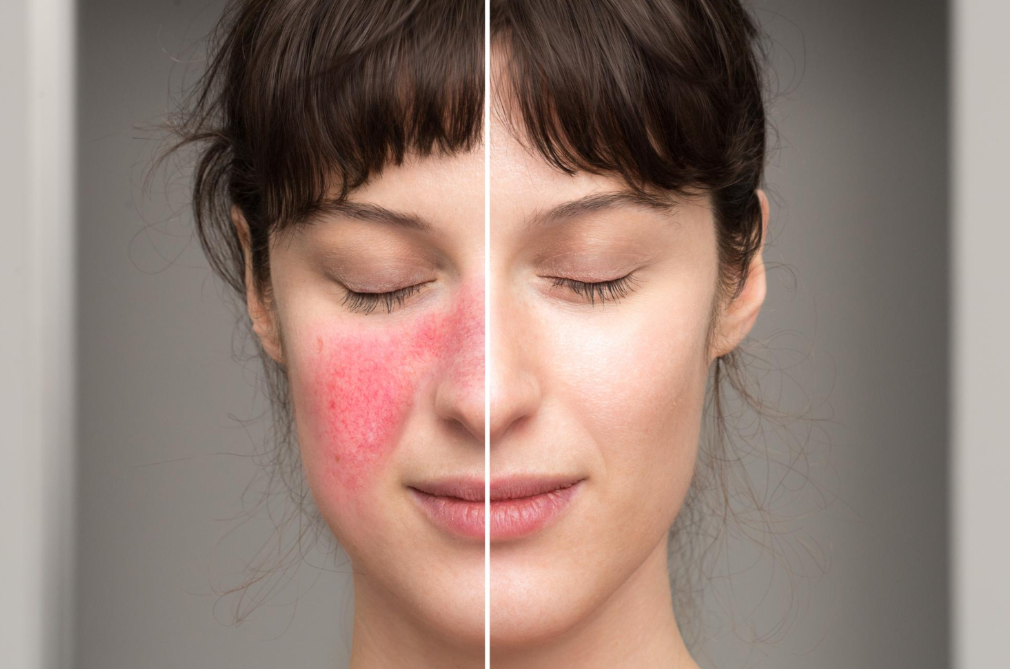
Rosacea is a common long-term skin condition that can cause persistent facial redness, flushing, sensitivity, visible blood vessels, and small bumps. For many people, symptoms can come and go, while others may experience more continuous redness and skin sensitivity. Finding an appropriate skincare routine and professional treatment approach can help create a more balanced and calmer-looking complexion.
For people searching for Rosacea In Manchester, personalised care can provide a structured way to understand individual symptoms, identify common triggers, and explore suitable treatment options. SLA Medical Clinic provides personalised rosacea treatment plans that may combine advanced laser or light-based treatments with professional skincare designed around the individual condition of the skin.
What Is Rosacea?
Rosacea is a chronic inflammatory skin condition that primarily affects the face. It commonly appears around the cheeks, nose, forehead, and chin. Symptoms may include temporary flushing, persistent redness, visible small blood vessels, burning or stinging sensations, and acne-like bumps.
The NHS explains that rosacea can cause redness that comes and goes, while some people may eventually experience more persistent facial redness. Skin may also become particularly sensitive when using certain skincare products or even water.
Common Signs of Rosacea
Rosacea can present differently from one person to another. Common signs can include:
- Facial redness or flushing
- A warm sensation across the face
- Sensitive or easily irritated skin
- Burning or stinging sensations
- Visible small blood vessels
- Small red or pink bumps
- Dry or uncomfortable skin
- Persistent redness around the cheeks, nose, chin, or forehead
Because several skin conditions can produce similar symptoms, professional assessment can help determine whether the redness is consistent with rosacea or another skin concern.
Understanding Rosacea Triggers
Rosacea symptoms can sometimes become more noticeable after exposure to particular environmental or lifestyle factors. Identifying personal triggers is therefore an important part of managing the condition.
Heat and Temperature Changes
Hot weather, very cold conditions, hot showers, and sudden temperature changes may contribute to facial flushing in some individuals.
Keeping the skin comfortable and avoiding unnecessary exposure to extreme temperatures may help reduce episodes of visible redness.
Sun Exposure
Sunlight is a commonly reported rosacea trigger. Consistent daily sun protection can therefore be an important part of a rosacea-focused skincare routine.
The NHS recommends using sunscreen with an SPF of at least 30 and taking steps to limit exposure to strong sunlight.
Food and Drinks
Some people notice increased flushing after consuming spicy foods, hot drinks, or alcohol. However, triggers can vary considerably between individuals.
Keeping track of when flare-ups occur can help identify patterns and make it easier to adjust everyday habits.
Stress and Exercise
Stress and intense physical activity may also contribute to temporary facial flushing. This does not mean that exercise needs to be avoided altogether. Instead, people can consider ways of exercising comfortably while keeping the body and skin cool.
Why Professional Rosacea Care Can Be Helpful
Rosacea is a long-term condition, so treatment is generally focused on managing symptoms rather than permanently eliminating the condition. The NHS notes that appropriate treatment can help control symptoms, while prescription creams, gels, or other medical treatments may sometimes be recommended depending on the presentation.
A professional skin assessment can help determine the dominant concerns, such as redness, visible vessels, sensitivity, or uneven-looking skin.
A Personalised Treatment Approach
Every person's rosacea can behave differently. One individual may mainly experience flushing, while another may be more concerned about persistent redness or visible blood vessels.
At SLA Medical Clinic, treatment planning begins with an assessment of the skin and its individual characteristics. The clinic states that rosacea treatment plans can incorporate laser and light therapies alongside medical-grade skincare, depending on the person's needs.
Managing Visible Redness
Persistent facial redness can be one of the most noticeable features of rosacea. Advanced light- and laser-based approaches may be considered when redness or visible blood vessels are a primary concern.
Treatment selection should be based on the appearance and condition of the skin rather than using the same procedure for every person.
Supporting the Skin Barrier
Rosacea-prone skin may be particularly sensitive to harsh skincare ingredients and aggressive routines. Supporting the skin barrier can therefore be an important part of a long-term approach.
A simpler skincare routine can often be more suitable than repeatedly introducing strong active ingredients.
Advanced Treatment Options for Rosacea
Professional rosacea care can involve different approaches depending on the individual's symptoms and skin condition.
Laser and Light-Based Treatments
Laser and light-based technologies may be used to target visible redness and small blood vessels. SLA Medical Clinic describes advanced laser and light therapy as part of its approach to managing rosacea-related redness and visible capillaries.
The appropriate technology and treatment settings depend on factors such as skin type, degree of redness, visible vessels, and treatment goals.
Medical-Grade Skincare
Professional skincare can complement in-clinic treatment by supporting the skin between appointments. The objective is to maintain a comfortable skin barrier and avoid unnecessary irritation.
At SLA Medical Clinic, personalised skincare guidance forms part of the clinic's approach to skin health and rosacea management.
A Combined Approach
For some individuals, combining professional treatment with an appropriate home-care routine can provide a more comprehensive approach.
Rather than focusing solely on reducing visible redness, a complete plan may also consider skin sensitivity, hydration, barrier support, sun protection, and individual triggers.
What Happens During a Rosacea Consultation?
A consultation provides an opportunity to discuss your skin concerns and understand how your symptoms behave.
Skin Assessment
The skin can be assessed for visible redness, flushing, sensitivity, uneven tone, and visible vessels. Your current skincare routine may also be discussed.
Discussion of Triggers
Understanding when redness becomes more noticeable can help identify potential triggers. This may include questions about temperature, sun exposure, food, drinks, exercise, stress, and skincare products.
Personalised Treatment Planning
Following the assessment, a treatment plan can be developed around the individual's skin condition and goals.
SLA Medical Clinic states that its rosacea consultations are designed to understand factors such as triggers and how the skin reacts before creating a personalised treatment approach.
Rosacea Cost In Manchester
The Rosacea Cost In Manchester can vary depending on the treatment approach selected and the number of sessions required. There is no single price that applies to every rosacea treatment because individual skin concerns and treatment plans can differ.
Factors That Can Influence Cost
Several factors may be considered when establishing the cost of professional rosacea care, including:
- The type of treatment selected
- The extent of facial redness
- The presence of visible blood vessels
- The number of recommended sessions
- The individual's skincare requirements
- Whether ongoing maintenance is recommended
For this reason, a consultation is useful when looking for accurate information about the Rosacea Cost In Manchester.
SLA Medical Clinic offers consultations where the skin can be assessed and a personalised treatment plan discussed. Its published booking information describes consultations as including detailed skin analysis and personalised treatment planning.
Building a Rosacea-Friendly Skincare Routine
A consistent home-care routine can be an important part of managing sensitive, redness-prone skin.
Choose Gentle Cleansing
A gentle cleanser can help remove daily impurities without unnecessarily irritating the skin. Avoiding overly aggressive cleansing and excessive rubbing may help maintain a more comfortable skin barrier.
Moisturise Regularly
A suitable moisturiser can help support the skin barrier and reduce feelings of dryness or tightness.
People with rosacea-prone skin may benefit from keeping their routine simple and introducing new products gradually.
Use Daily Sun Protection
Sun exposure can trigger or worsen rosacea symptoms for some people. Daily broad-spectrum sunscreen can therefore be an important part of a skincare routine.
The NHS recommends an SPF of at least 30 for people managing rosacea.
Avoid Excessive Exfoliation
Frequent or aggressive exfoliation can be uncomfortable for sensitive skin. A rosacea-focused routine should prioritise skin comfort and barrier support rather than constantly trying to remove surface layers of skin.
Rosacea and Everyday Confidence
Facial redness can sometimes affect how people feel about their appearance, particularly when flushing happens unexpectedly. A consistent treatment and skincare routine may help people feel more comfortable with their complexion.
The objective of professional care is not necessarily to create completely different-looking skin. Instead, treatment can focus on helping the complexion appear more balanced while supporting overall skin health.
Maintaining Results Over Time
Rosacea is a long-term condition, meaning ongoing management may be needed even after visible improvements.
Continue Appropriate Skincare
Maintaining a gentle skincare routine can help support the skin between professional treatments.
Monitor Your Triggers
Keeping track of flare-ups can make it easier to recognise patterns. Once personal triggers become clearer, practical changes can be introduced where appropriate.
Follow Your Treatment Plan
If professional treatment is recommended, following the planned treatment schedule and aftercare guidance can help maintain consistency.
SLA Medical Clinic advises patients to combine professional treatment with appropriate home skincare as part of its broader approach to maintaining skin health.
Why Choose SLA Medical Clinic for Rosacea Treatment?
SLA Medical Clinic in Manchester provides personalised skin treatment plans based on individual skin concerns. Its rosacea treatment service focuses on concerns such as persistent redness, visible vessels, flushing, and skin sensitivity.
The clinic states that its approach may combine advanced laser and light treatments with medical-grade skincare, with treatment plans adapted according to the individual's skin needs.
The Manchester clinic is located at 3 Monton Green, Worsley, Eccles, Manchester M30 9LE, and its published information includes dedicated consultation options for skin concerns including rosacea and redness.
Frequently Asked Questions About Rosacea
Can rosacea be cured permanently?
Rosacea is considered a long-term skin condition. While there is currently no permanent cure, symptoms can often be managed with appropriate treatment and skincare.
What are the main symptoms of rosacea?
Common symptoms include facial redness, flushing, visible blood vessels, sensitivity, burning or stinging sensations, and small red or pink bumps.
Can skincare help rosacea-prone skin?
Yes. A gentle skincare routine can help support sensitive skin. Daily sun protection and suitable moisturisation are particularly useful components of a balanced skincare routine.
Can laser or light treatment help facial redness?
Laser and light-based treatments may be considered for certain types of rosacea-related redness and visible blood vessels. The most appropriate treatment depends on the individual's skin and symptoms. SLA Medical Clinic offers laser and light-based approaches as part of its rosacea treatment services.
How much does rosacea treatment cost in Manchester?
The Rosacea Cost In Manchester varies according to the treatment selected, the condition of the skin, and the number of sessions required. A personalised consultation can provide more relevant information about the expected treatment plan and associated cost.
When should I seek medical advice for rosacea?
Anyone experiencing persistent or recurring symptoms should consider seeking professional medical advice for an appropriate assessment. Rosacea can resemble other skin conditions, so an accurate assessment is useful.
Conclusion
Managing rosacea involves more than addressing visible redness alone. A thoughtful approach can consider flushing, visible vessels, sensitivity, skincare habits, environmental triggers, and long-term skin-barrier support.
For those searching for Rosacea in Manchester, professional assessment can provide a clearer understanding of the skin and help identify suitable treatment options. With personalised care, appropriate skincare, and consistent attention to individual triggers, it is possible to work towards a calmer-looking, more balanced complexion.
SLA Medical Clinic provides personalised rosacea treatment in Manchester, combining professional skin assessment with advanced treatment options and tailored skincare guidance to support individual skin goals.

 English
 Arabic
 French
 Spanish
 Portuguese
 Deutsch
 Turkish
 Italiano
 Russian
 Romaian
 Portuguese (Brazil)
 Greek
Greek