


How Does Root Canal Treatment Help Treat Deep Tooth Decay?
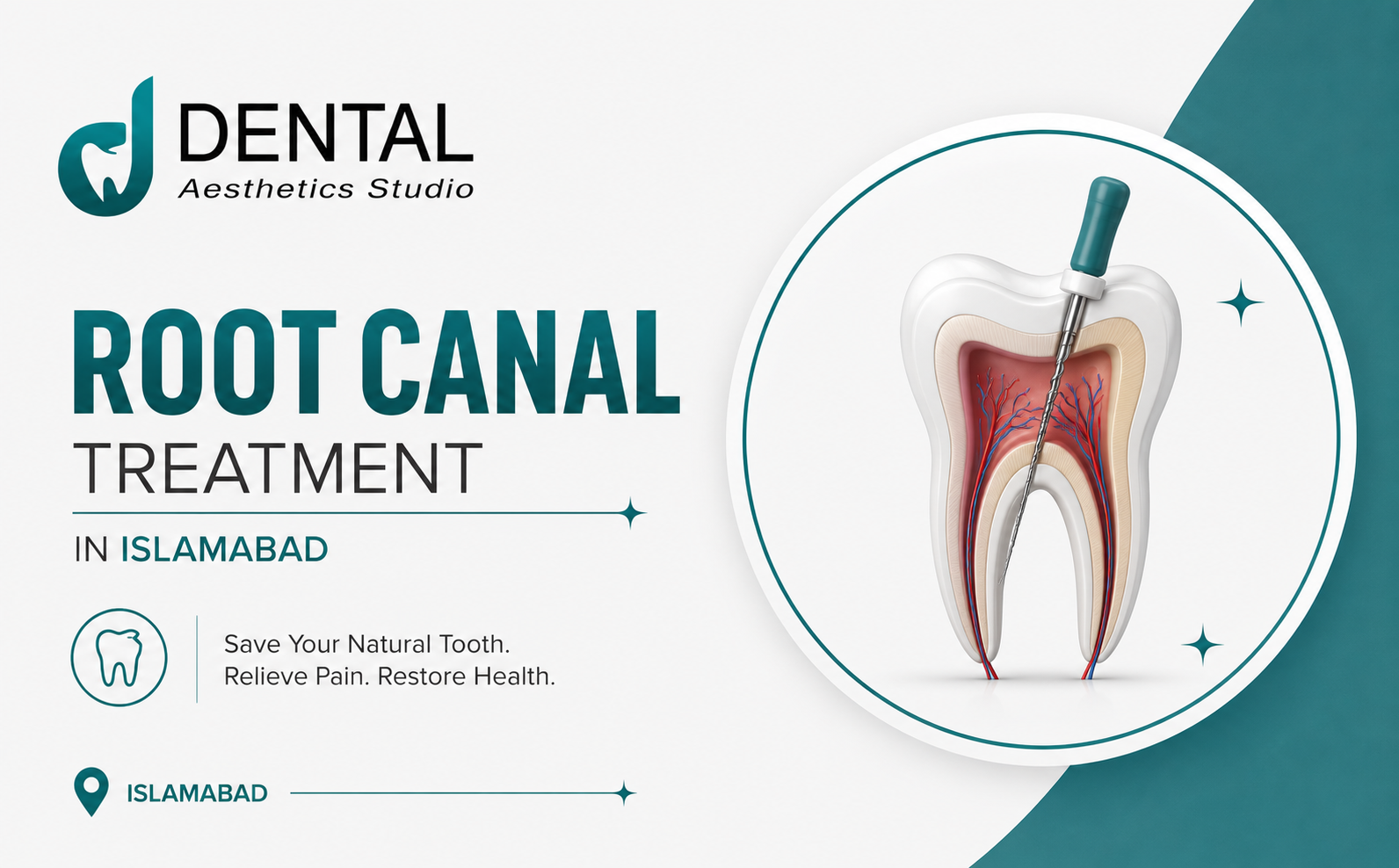
Deep tooth decay occurs when bacteria gradually damage the outer enamel and continue into the deeper layers of a tooth. If decay is not treated early, it can eventually reach the pulp, which contains nerves and blood vessels. Once the pulp becomes severely inflamed or infected, simple filling treatment may no longer be enough.
In these situations, Root Canal Treatment in Islamabad can help treat infection inside the tooth while preserving as much of the natural tooth structure as possible. The procedure focuses on removing the affected pulp and cleaning the internal canals.
How Does Decay Reach the Tooth Pulp?:
Tooth decay usually starts when bacteria and acids weaken the enamel. Over time, the damage can progress through the enamel and dentin toward the pulp chamber. As the decay gets deeper, the tooth may become increasingly sensitive or painful.
When bacteria reach the pulp, they can cause inflammation and infection. This may result in persistent toothache, sensitivity to hot or cold foods, pain while chewing, or swelling around the affected tooth.
Why Is Root Canal Treatment Used for Deep Decay?:
When deep decay has damaged or infected the pulp, the affected tissue generally cannot recover on its own. Root canal treatment allows the dentist to access the inside of the tooth and remove the infected or inflamed pulp.
After removing the damaged tissue, the dentist cleans and disinfects the root canals before filling and sealing them. This helps reduce bacteria inside the tooth and prevents the infection from progressing further.
Can Root Canal Treatment Prevent Tooth Extraction?:
One major purpose of root canal treatment is to preserve a natural tooth that might otherwise require extraction. If enough healthy tooth structure remains and the tooth can be properly restored, treating the infected pulp may allow the tooth to continue functioning.
The root canal treatment costs in Islamabad can vary according to the tooth involved, the complexity of the infection, and the restoration required afterward. A dentist can provide an appropriate treatment plan after examining the tooth.
What Happens During Treatment?:
The dentist first examines the affected tooth and may use dental X-rays to assess the extent of decay and infection. Once root canal treatment is recommended, an opening is made in the tooth to reach the infected pulp.
The damaged pulp is removed, and the canals are carefully cleaned and shaped. They are then filled with a suitable material and sealed. In many cases, a crown or other restoration may be recommended afterward to protect the weakened tooth from further damage.
What Symptoms May Indicate Deep Decay?:
Deep tooth decay does not always cause severe symptoms in the early stages. As the condition progresses, however, patients may experience persistent toothache, prolonged sensitivity, pain when biting, a darkened tooth, swelling, or tenderness around the gums.
These symptoms do not automatically mean that root canal treatment is required. A dental examination is necessary to determine the actual cause of the problem and whether the pulp has been affected.
What Happens If Deep Decay Is Left Untreated?:
Untreated deep decay can continue damaging the tooth and may eventually lead to pulp infection. In some cases, the infection can spread into the tissues surrounding the tooth and cause an abscess or swelling.
Delaying treatment can also reduce the possibility of preserving the natural tooth. Seeking dental care when symptoms first appear can help identify problems earlier and allow the dentist to discuss suitable treatment options.
How Can You Protect a Treated Tooth?:
After root canal treatment, maintaining good oral hygiene is important. Brushing twice a day, cleaning between the teeth, limiting sugary foods and drinks, and attending regular dental checkups can help protect the treated tooth and surrounding teeth.
If a crown is recommended, it should be placed according to the dentist's instructions. Avoiding excessive pressure on a weakened tooth can also help reduce the risk of cracks or fractures.
Final Thoughts:
Root canal treatment can help manage deep tooth decay when the infection or inflammation has reached the pulp. By removing the damaged tissue, cleaning the canals, and sealing the tooth, treatment can help preserve the natural tooth and restore its function.
If you have persistent tooth pain, sensitivity, swelling, or signs of deep decay, professional evaluation is important. Dental Aesthetics Studio can provide dental assessment and discuss suitable treatment options based on the condition of your tooth.

 English
 Arabic
 Spanish
 Portuguese
 Deutsch
 Turkish
 Dutch
 Italiano
 Russian
 Romaian
 Portuguese (Brazil)
 Greek