


Muscle Strain or Joint Problem? Understanding Shoulder Pain
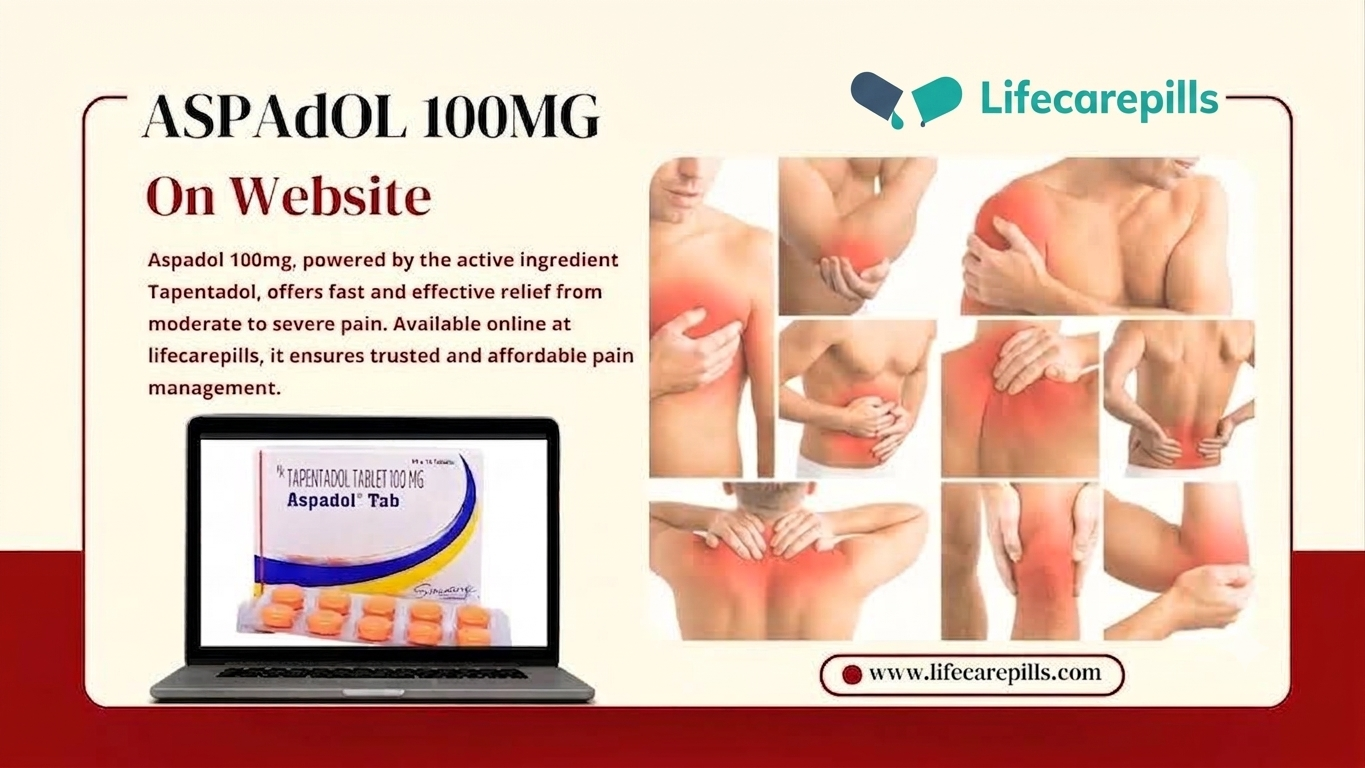
When there is shoulder pain during simple everyday actions like dressing up, lifting things, raising hands, or while sleeping, it needs to be assessed if it is due to a muscle strain caused by physical activity or any joint-related issue. It may be due to a joint, tendon, ligament injury, or even arthritis.
Knowing the underlying reason behind shoulder pain will give insight into how one should proceed for recovery and what kind of medical assistance may be required. When shoulder pain is severe or persists, medical assessment must be sought and not just pain medications.
What Are The Reasons For Shoulder Muscle Strain?
A muscle strain happens when muscle fibers get stretched or damaged. A shoulder strain may result from lifting a heavy object, exercising, repetitive motion, or sudden increase in physical activities.
Some common signs of muscle strain are:
- Aching or tender shoulder
- Pain while moving arm
- Tightness or weakness of muscles
- Sometimes, mild swelling or bruising
- Pain during specific movements
Mild cases might benefit from the right kind of activity modification and controlled movements. Inactivity or complete avoidance of movements in the shoulder area for a long time may result in stiffness. The NHS advice states that one should have gentle movement but refrain from doing activities that cause shoulder pain.
Is Shoulder Pain a Joint Issue?
It does not have to be a case of muscle strain. There could be issues related to your joints and those surrounding your shoulder joint.
Causes include:
- Osteoarthritis
- Rheumatoid arthritis
- Bursitis
- Tendonitis
- Problems with the rotator cuff
- Shoulder instability
- Strains or sprains of ligaments
- Frozen shoulder
Joint pain may be accompanied by stiffness, swelling, difficulty moving, or pain even when at rest. Various signs may mean various underlying conditions, which makes self-diagnosis difficult.
Muscle Strain vs Joint Issue
Muscle strain usually results from over-exertion and causes local pain or tenderness when the involved muscle is being used.
A joint disorder and tendon disorder are likely to cause pain with specific movement, stiffness, clicking, weakness, and decreased range of motion. Yet, there is some overlapping of symptoms.
This means that any chronic shoulder pain should be consulted with a physician or physiotherapist, especially if it disrupts one's daily life activities.
How Should Shoulder Pain Be Managed?
In case of minor shoulder pain , there are some conservative approaches that may be useful. They include temporary rest from actions causing pain, applying ice packs or heating pads, and performing slow shoulder movements.
According to NHS recommendations, it is necessary to keep up with active and gentle shoulder movements and avoid hard exercises and gym machines that intensify symptoms. Furthermore, some shoulder disorders require several months for full recovery.
In some cases, physiotherapy can be helpful for increasing mobility, strength, posture and proper moving.
What is the Role of Tapentadol in the Management of Shoulder Pain?
Tapentadol is an opioid analgesic prescribed for treating specific types of moderate and severe pain. Thus, it is not recommended to choose this drug for relieving common muscle ache or shoulder pain.
Patients searching for the correct dosage of tapentadol should know that it is always determined according to the formulation, severity of pain, the patient's history of opioid use, and interaction with other medications.
One cannot assume that a aspadol 100 mg tablet should always be taken in the tapentadol 100 mg dosage of . According to the official Australian information, the dosage of the immediate-release tapentadol is individual and may vary depending on factors including severity of pain and prior experience with opioids.
Thus, do not change the dose, frequency of intake, and formulation without consulting your doctor.
Etidol 100mg?
If you are taking Etadol 100mg , make sure it matches its packaging and drug information issued by your country's government.
Tapentadol can lead to drowsiness, dizziness, nausea, constipation, among other side effects. Opioids can induce dependency and may even lead to potentially lethal respiratory depression due to their combined action with other drugs and substances.
According to the Canadian Drug Product Database, the available formulations of tapentadol 100 mg include immediate release products, and tapentadol is a narcotic drug prescribed for medical use only.
When You Need to See a Doctor?
Do not neglect serious or inexplicable pain in your shoulder. According to guidelines issued by the NHS, a consultation should be arranged if your shoulder pain worsens, persists for more than two weeks, or restricts your ability to move your arm.
Visit your doctor immediately if:
- Your shoulder pain is intense and sudden in onset.
- It prevents you from moving your arm.
- It results in deformity and swelling of your shoulder.
- There is persistent numbness or tingling sensation.
- It has occurred following a serious fall or injury.
- You feel unwell with a fever.
These symptoms may indicate serious conditions like bone or muscle injuries.
Frequently Asked Questions
1. Is tapentadol recommended for pain in muscles following exercise?
Tapentadol is a potent opioid prescribed for only certain types of severe pain. Tapentadol should never be taken for muscle pain resulting from exercise.
2. Can shoulder pains heal on their own without medication?
Mild strains and overuse injuries may respond well to rest, slow mobility, and physical modification. However, if the pain does not subside or worsens, one should seek a medical examination.
3. Can tapentadol work for all shoulder pains?
Not necessarily. Tapentadol is a prescription-based opioid analgesic, meant to relieve specific cases of moderate to severe pain.
4. where to buy aspadol 100mg?
Aspadol 100 mg is an alternative name for tapentadol 100 mg. It is a prescription pain medication. Consult about proper tapentadol 100mg dosage with your doctor and purchase from legal pharmacies. Visit www.genericshub.com for additional information.
Conclusion
Pain in the shoulder could result from a muscle strain, a joint issue, tendinitis, arthritis, or some other factor, and the correct treatment depends on the underlying reason for the condition. Proper movement and professional analysis can assist in recovery.
Should you be under tapentadol medication by a doctor or pharmacist, it is important not to assess your tapentadol 100mg dose or take more tapentadol than recommended despite worsening shoulder pain. Similarly, Etadol 100mg must be taken as per the recommendations of the prescribed product. This applies to patients from Singapore, the UK, Australia, and Canada.

 English
 Arabic
 French
 Spanish
 Portuguese
 Deutsch
 Dutch
Dutch
 Italiano
 Russian
 Romaian
 Portuguese (Brazil)
 Greek
Greek