


What No One Tells You About Selling A Car That Won’t Start
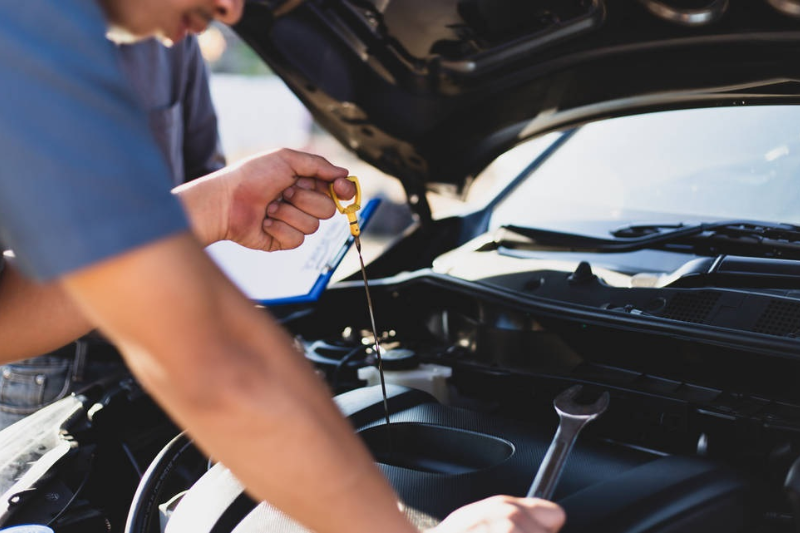
Selling a car that will not start can feel harder than selling a running vehicle. Buyers may worry about repair costs, towing, and hidden mechanical faults. However, a non-running car still has value in many situations. The key is understanding what affects its price and how the sale works.
A Car That Won’t Start Is Not Always Worthless
A car that will not start can still have value because its parts and materials remain useful. The engine may have a fault, but other components can still work well. Items such as wheels, panels, electronics, seats, and transmission parts may have resale value.
The cause of the problem also matters. A flat battery is very different from a failed engine or damaged transmission. A simple starting fault may need a small repair, while major mechanical damage can make repairs uneconomical.
The vehicle's age and condition also affect its value. Newer cars often contain more valuable parts and equipment. Older cars may have lower market value, but they can still contain useful components and recyclable materials.
Find Out Why The Car Won’t Start
The first step is finding the likely cause of the starting problem. A dead battery is one of the easiest faults to check. Other causes include a faulty starter motor, fuel problem, electrical fault, or damaged engine component.
You do not always need to repair the vehicle before selling it. In some cases, the repair cost can be higher than the extra value you gain from fixing it. Getting a basic diagnosis helps you make a more informed decision.
If the car stopped suddenly, think about what happened before the failure. Strange noises, warning lights, overheating, or loss of power can provide useful clues. Keep any repair reports or mechanic notes because they can help explain the vehicle's condition.
Check The Car’s Value Before Spending Money
The cost of repairs needs to make sense compared with the vehicle's likely selling price. A $500 repair may make sense on a newer car, but the same repair may not suit an older vehicle with several other faults.
Compare the expected repair bill with the vehicle's current condition and age. Also consider registration, tyres, body damage, service history, and other known problems. These details help create a more realistic idea of what the car is worth.
The value can also change if the vehicle has useful parts. A non-running car with undamaged panels and working electronics can have more value than a badly damaged vehicle. The same applies to cars with desirable engines, transmissions, wheels, or interior components.
Prepare The Right Information For A Quote
A clear description makes it easier for a buyer to assess a non-running car. Provide the make, model, year, location, and general condition. Explain that the vehicle does not start and describe any known mechanical or electrical faults.
Photos can also help if you are requesting an assessment remotely. Take clear photos of the exterior, interior, engine bay, tyres, and any visible damage. A photo of the registration details can also help confirm the vehicle.
Be honest about the condition from the start. Hiding a major fault can create problems later during inspection or collection. Accurate information helps the buyer understand what they are dealing with and gives you a clearer offer.
Selling A Non-Running Car Can Avoid Repair Costs
Repairing a vehicle before selling it is not always the most practical choice. Major repairs can involve parts, labour, diagnostics, towing, and inspection costs. Those expenses can quickly reduce the money you hoped to gain from the sale.
Some owners choose Adelaide auto wreckers because the vehicle can be assessed based on its condition, parts, and recyclable materials. This option can suit cars that have reached the point where repair costs no longer make financial sense.
Before accepting an offer, ask what the price includes. Check whether vehicle collection is included and confirm if there are any extra charges. Clear terms help prevent unexpected costs during the sale.
Consider How The Vehicle Will Be Removed
A car that will not start cannot simply be driven to a buyer. Moving it may require a tow truck, trailer, or specialised vehicle transporter. The location of the car can also affect how easy removal is.
Think about where the vehicle is parked before arranging collection. A car inside a tight garage may need different equipment from one parked on a wide driveway. Tell the buyer about access restrictions, steep driveways, narrow streets, or underground parking.
Car Removal Adelaide states that it provides quotes online and by phone, then collects vehicles from the seller's location.
Sort Out Ownership And Personal Items
Having the right paperwork ready can make the sale easier. Keep documents that show you are the legal owner of the vehicle. Requirements can vary depending on the type of sale and the vehicle's registration status.
Remove personal belongings before the car is collected. Check the glove box, boot, centre console, door pockets, and under the seats. People often forget small items such as sunglasses, charging cables, tools, or paperwork.
Also remove toll tags and other personal devices where appropriate. Check the vehicle carefully before handing over the keys. Once the car leaves, recovering forgotten belongings can become difficult.
Think About Registration Before The Sale
Registration details matter when selling an Australian vehicle. The steps can differ between states and territories, so check the current requirements that apply to your vehicle.
In South Australia, owners can check current registration and transfer information through the state's official transport services. Keep records of the sale, including the buyer's details and the date of the transaction.
Do not assume that selling the vehicle automatically completes every administrative step. Confirm what you need to do after the sale. Keeping written records gives you useful evidence if questions arise later.
Ask Questions Before Accepting An Offer
A good offer is not only about the amount of money. Ask how the vehicle will be collected and what happens after you accept. Confirm the payment method, collection arrangements, and any paperwork involved.
If you are searching online, sell car for cash Adelaide may lead to different types of buyers. Compare the terms rather than focusing only on the advertised amount. A higher figure is less useful if extra removal or repair costs reduce the final amount.
You can also ask whether the buyer accepts vehicles that do not start. Some buyers focus on running cars, while wreckers and vehicle recyclers may handle cars in various conditions. Knowing this early saves time and avoids unnecessary inspections.
Do Not Repair The Car Without Checking The Numbers
A common mistake is spending money on repairs before finding out what the car is worth. A major mechanical repair can cost thousands of dollars. The extra selling value may not cover that expense.
Start with a basic assessment instead. Find out why the vehicle does not start and estimate the repair cost. Then compare that figure with the likely value of the vehicle in its current condition.
This approach also helps if the car has several problems. A vehicle may need tyres, suspension work, body repairs, and engine repairs at the same time. Paying for every repair may not be practical when the combined cost becomes too high.
What Happens After The Car Is Sold?
The next step depends on the buyer and the vehicle's condition. A running vehicle may be repaired and resold, while a damaged vehicle may be dismantled for usable parts. Vehicles that have reached the end of their useful life can also be processed for recyclable materials.
Parts can have value even when the whole vehicle no longer works. Engines, gearboxes, wheels, panels, electrical components, and interior parts may be suitable for reuse. Metal from the vehicle can also enter recycling processes.
This means a non-running car does not necessarily become worthless when it leaves your driveway. Its value can come from several different sources. The condition of those parts and the demand for them help determine the final price.
Make The Sale Based On The Full Cost
Selling a car that will not start becomes easier when you look at the whole transaction. Consider repair costs, towing, paperwork, time, and the vehicle's current condition. These factors matter just as much as the initial offer.
Get a clear assessment before spending money on repairs. Prepare ownership documents and remove personal belongings before collection. Most importantly, understand the sale terms and confirm how the vehicle will be removed.
A non-running car can still have useful value. Understanding that value helps you choose a practical way to move the vehicle on without unnecessary repair costs.

 English
 French
 Spanish
 Portuguese
 Deutsch
 Turkish
 Dutch
 Italiano
 Russian
 Romaian
 Portuguese (Brazil)
 Greek