


How Does Gynecomastia Surgery Remove Excess Tissue?
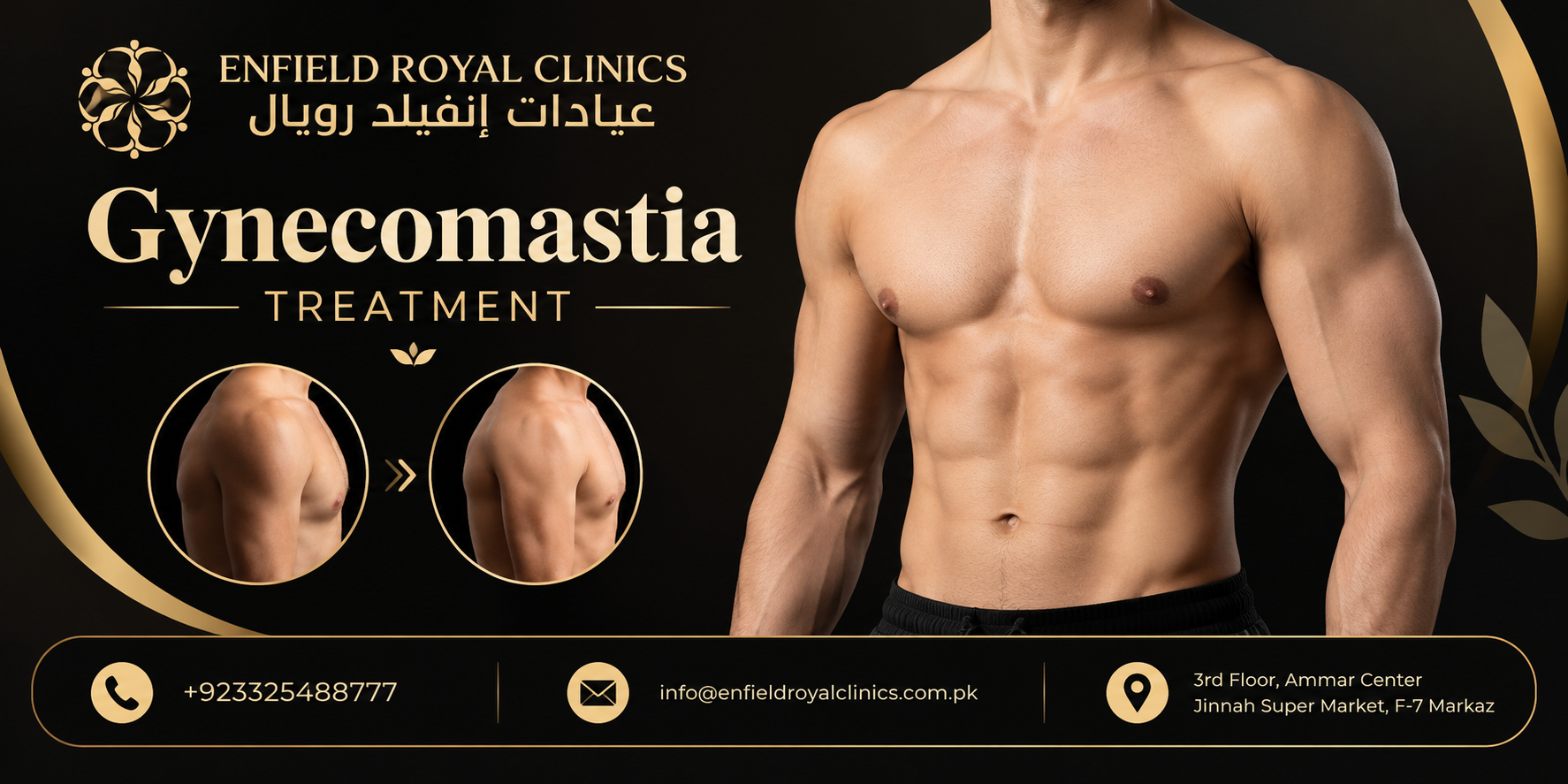
Gynecomastia surgery removes excess chest tissue to create a flatter, smoother, and more proportionate male chest. Gynecomastia can develop when glandular breast tissue, excess fat, or both create noticeable fullness around the chest and nipple area. When this enlargement remains despite healthy lifestyle changes, surgical treatment may be considered to improve the chest contour.
For men exploring Gynecomastia in Islamabad, understanding how excess tissue is removed can make the treatment process easier to understand. The surgical approach depends on the type and amount of tissue present, skin quality, chest structure, and the individual's desired outcome.
What Type of Excess Tissue Does Gynecomastia Surgery Remove?
Gynecomastia does not look the same in every person. Some men have mainly firm glandular tissue beneath the nipple, while others have additional fatty tissue throughout the chest. Some have a combination of both.
Glandular tissue is usually firmer and may feel like a small disc or lump behind the nipple. Fatty tissue tends to create softer and more widespread fullness. Identifying the type of tissue is important because different techniques may be needed to achieve a balanced chest shape.
A proper assessment helps determine whether the main concern is glandular enlargement, excess fat, loose skin, or a combination of these factors.
How Is Glandular Tissue Removed?
When gynecomastia is caused by firm glandular tissue, it may need to be surgically removed through a carefully placed incision. The incision is often positioned around the edge of the areola or in another suitable location depending on the treatment plan.
The excess glandular tissue is separated from the surrounding structures and removed while preserving an appropriate amount of tissue to maintain a natural contour. Removing too little may leave unwanted fullness, while removing too much can create an unnatural hollow appearance.
The goal is therefore not simply to remove as much tissue as possible. Instead, the procedure focuses on reducing the enlargement while maintaining a smooth transition across the chest.
Can Liposuction Remove Excess Chest Fat?
Yes, liposuction may be used when excess fatty tissue contributes to chest enlargement. A small opening allows a thin cannula to access the targeted areas and remove unwanted fat.
Liposuction can help improve the overall contour by reducing soft fullness across the chest. It may also be combined with glandular tissue removal when both fat and firm tissue are contributing to gynecomastia.
The technique used depends on the individual's anatomy. Treating the chest as a single flat area is not always appropriate because the tissue thickness can vary between the central chest, lower chest, and surrounding areas.
Why Is a Combination Approach Sometimes Needed?
Some cases involve both glandular tissue and excess fat. In these situations, using only one technique may not provide the desired improvement.
A combination approach can address the different types of tissue contributing to chest enlargement. Liposuction may reduce fatty fullness, while surgical excision can address firmer glandular tissue that cannot be adequately removed with liposuction alone.
This approach can help create a smoother transition between treated and untreated areas. The exact technique is selected after evaluating the chest rather than applying the same method to every individual.
How Does Surgery Create a Natural Chest Contour?
Removing excess tissue is only one part of improving the chest. The remaining tissue must also be shaped carefully so that the chest does not appear uneven, overly hollow, or disproportionate.
Treatment planning considers the natural chest structure, nipple position, skin quality, amount of tissue, and differences between the two sides. If one side has more tissue than the other, the amount removed may also vary.
A natural result usually involves a gradual contour rather than a sharply defined transition. The objective is to reduce unwanted fullness while allowing the chest to blend naturally with the surrounding body.
What Happens to Loose Skin After Tissue Removal?
The amount of loose skin depends on how much the chest has enlarged, how long the condition has been present, and the individual's skin elasticity.
When enlargement is mild, the skin may contract naturally after excess tissue is removed. In cases involving significant enlargement or reduced skin elasticity, additional skin management may sometimes be considered.
This is why skin quality is an important part of treatment planning. Removing tissue without considering the skin envelope can affect the final appearance.
What Is Recovery Like After Excess Tissue Removal?
After gynecomastia surgery, swelling and bruising are common and can temporarily hide the final chest contour. The chest may initially look different from the expected result because the tissues need time to heal.
Compression garments may be recommended to support the treated area and help manage swelling. Physical activity is generally increased gradually, with strenuous exercise postponed until healing has progressed sufficiently.
As swelling decreases, the chest shape usually becomes easier to evaluate. Following aftercare instructions carefully can support a smoother recovery and help protect the surgical result.
Frequently Asked Questions
1. Does gynecomastia surgery remove all chest tissue?
No. The goal is to remove excess tissue while maintaining a natural chest contour. Removing too much tissue can sometimes create an uneven or hollow appearance.
2. Can liposuction alone treat gynecomastia?
Liposuction may be suitable when excess fat is the main cause of chest fullness. When firm glandular tissue is present, surgical removal may also be needed.
3. Is glandular tissue different from chest fat?
Yes. Glandular tissue is generally firmer and denser, while fat is softer. The difference can influence which treatment technique is appropriate.
4. Will the chest look different immediately after surgery?
The chest may appear swollen or bruised immediately after treatment. The final contour becomes clearer gradually as swelling decreases and the tissues heal.
Gynecomastia surgery removes excess tissue through techniques selected according to the individual's chest structure and the type of enlargement present. By addressing glandular tissue, excess fat, or both, treatment can help create a smoother and more balanced chest contour while maintaining a natural appearance.
For more information visit Enfield royal clinic in islamabad

 English
 Arabic
 French
 Spanish
 Portuguese
 Deutsch
 Turkish
 Dutch
Dutch
 Russian
 Romaian
 Portuguese (Brazil)
 Greek
Greek