


Navigating Men’s Intimate Health: What Brisbane Men Should Know About Non-Surgical Enhancement
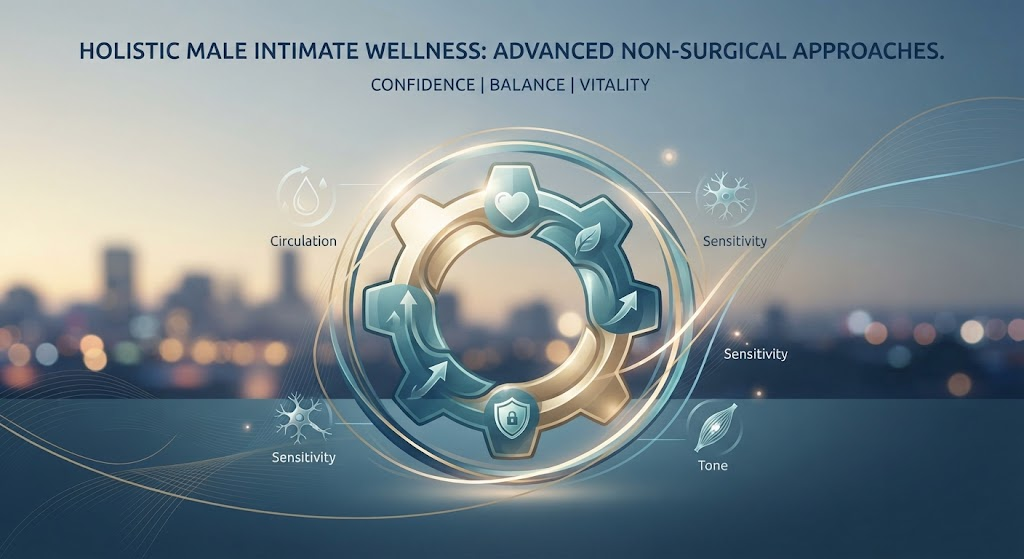
Intimate health remains one of the most deeply personal, yet frequently misunderstood, aspects of overall wellness. For many men, physical changes, developmental traits, or age-related shifts can spark curiosity about personal anatomy and enhancement options. Yet, because of lingering social stigma, finding reliable, medically sound information can feel overwhelming.
In recent years, the landscape of men’s health has evolved significantly. Advances in medical science have introduced non-surgical options that allow individuals to explore intimate enhancement with minimal downtime. For men considering these pathways in Queensland, understanding the clinical realities, safety protocols, and realistic outcomes is essential. This guide explores what non-surgical enhancement involves, how it is approached from a medical perspective, and what local patients should look for when seeking professional guidance.
Understanding Modern Men’s Intimate Wellness
Men’s health encompasses far more than routine fitness and cardiovascular wellness. It includes hormonal balance, psychological well-being, and sexual satisfaction. As men age, natural changes occur in tissue elasticity, vascular health, and collagen production. These biological shifts can influence both appearance and function, leading some individuals to seek professional consultation.
Historically, the only available pathway for significant anatomical changes was major surgery, which carried considerable downtime and procedural risks. Today, non-surgical alternatives have bridged the gap for men seeking subtle adjustments without invasive operations.
However, navigating this space requires careful discernment. The internet is filled with unverified claims, over-the-counter pills, and sensationalized promises that yield no physiological benefit. Real progress in this field stems from evidence-based medical science, anatomical precision, and qualified clinical oversight.
What Does Non-Surgical Enhancement Involve?
Non-surgical intimate enhancement typically refers to minimally invasive procedures designed to improve girth or address contour irregularities without general anesthesia or surgical incisions.
In a clinical setting, these procedures are generally categorized into two main approaches:
1. Dermal Fillers for Girth Enhancement
Medical-grade dermal fillers—often composed of hyaluronic acid or specialized biostimulatory agents—can be precisely administered to increase penile girth. Hyaluronic acid is a substance naturally found in the human body, known for its ability to retain moisture and provide structural volume. When used in intimate aesthetics, it is chosen for its biocompatibility and reversibility.
2. Regenerative Medicine and Autologous Treatments
Another avenue gaining traction involves regenerative therapies, such as Platelet-Rich Plasma (PRP) or fat grafting techniques. These methods utilize the body's natural healing factors to stimulate localized tissue remodeling and collagen production. Because these treatments rely on biological responses, outcomes vary based on individual metabolic health and tissue characteristics.
Regardless of the specific technique utilized, any non-surgical intervention must be performed in a sterile medical environment by a trained clinician who has a thorough understanding of pelvic neurovascular anatomy.
Why Clinical Expertise Matter
When researching intimate health treatments, applying Google’s framework of Experience, Expertise, Authoritativeness, and Trustworthiness can protect your physical safety and financial investment. Intimate procedures require meticulous precision; a lack of anatomical knowledge can lead to complications such as asymmetry, nodules, infection, or vascular compromise.
When evaluating a clinic or practitioner, consider the following clinical benchmarks:
-
Transparent Consultations: A reputable practitioner will never guarantee specific numerical results. Every anatomy is unique, and an ethical clinician conducts a comprehensive physical and medical evaluation before discussing realistic outcomes.
-
Informed Consent: You should be fully informed about product longevity, potential side effects, post-procedure care, and what happens as the body naturally metabolizes the materials.
-
Post-Treatment Support: High standards of care do not end when you leave the treatment room. Ongoing monitoring and accessible follow-up care are vital components of safe medical practice.
To explore professional perspectives and safety protocols available locally, patients often look into specialized clinics offering penile enlargement Brisbane services, where clinical standards and patient education take precedence over marketing hype.
Managing Expectations: Fact Versus Fiction
One of the greatest challenges in men’s intimate health is the presence of unrealistic expectations fueled by digital media. Understanding the physiological boundaries of non-surgical treatments helps prevent disappointment and ensures a positive patient journey.
-
Non-Surgical vs. Surgical: Non-surgical fillers primarily target girth enhancement rather than length. While they can provide a noticeable increase in circumference and improve symmetry, they cannot fundamentally alter underlying skeletal or suspensory ligament structures.
-
Temporary vs. Permanent: Most non-surgical injectables are temporary. The body gradually metabolizes hyaluronic acid over time, meaning maintenance sessions are required to sustain the aesthetic result. This temporary nature is actually a safety benefit, allowing the tissue to adapt without permanent alteration.
-
Functional Considerations: While some men report psychological boosts in confidence that positively impact intimacy, non-surgical cosmetic procedures are distinct from treatments for medical conditions like Peyronie’s disease or erectile dysfunction. A proper medical assessment will differentiate between aesthetic goals and functional health needs.
Frequently Asked Questions (PAA & Community-Derived Insights)
1. Is non-surgical penile enhancement painful?
Most non-surgical procedures utilize local anesthetics, topical numbing creams, or nerve blocks to ensure patient comfort during the administration of fillers or regenerative treatments. While mild bruising, swelling, or tenderness can occur during the initial healing window (typically lasting a few days), severe pain is uncommon.
2. How long do the results of non-surgical girth enhancement last?
The longevity of results depends on the specific product used. Hyaluronic acid fillers typically last anywhere from 12 to 24 months, as the body gradually breaks down the substance. Periodic touch-up treatments can help maintain the desired volume over time.
3. Are there significant risks or side effects?
Like any medical procedure, non-surgical enhancement carries potential risks, including temporary swelling, bruising, asymmetry, or localized lumps if the product settles unevenly. Choosing an experienced medical professional significantly minimizes these risks by ensuring proper placement relative to deep blood vessels and nerves.
4. How do I know if I am a suitable candidate?
Suitability is determined during an in-person consultation with a qualified medical professional. Factors evaluated include your medical history, skin elasticity, anatomical baseline, and personal goals. Men with active skin infections, bleeding disorders, or unrealistic expectations are generally advised against proceeding.
5. Can non-surgical treatments help with erectile dysfunction or length?
No. Non-surgical dermal fillers and regenerative therapies are designed for cosmetic girth enhancement and soft-tissue contouring. They do not treat underlying vascular erectile dysfunction, nor do they permanently alter flaccid or erect length. Separate medical therapies are required for functional concerns.

 English
 Arabic
 French
 Spanish
 Portuguese
 Deutsch
 Turkish
 Dutch
Dutch
 Russian
 Romaian
 Portuguese (Brazil)
 Greek
Greek