


New Construction Inspections for Better Built Homes
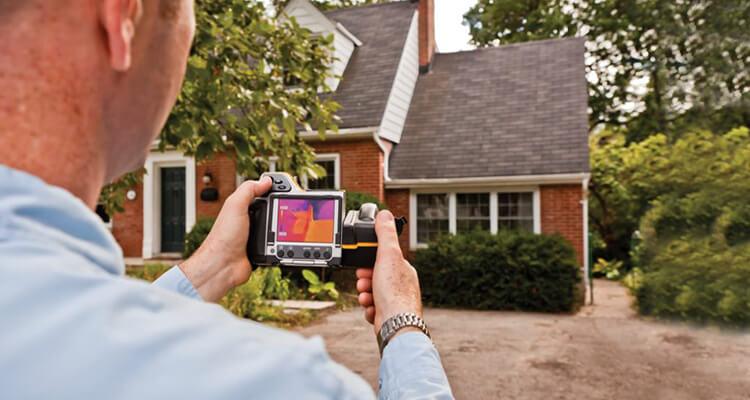
A newly built home may look complete, but fresh paint, finished floors, and modern fixtures do not guarantee that every component has been installed correctly. New Construction Inspections provide an opportunity to review visible workmanship and identify concerns before the property is occupied. The inspection may cover structural features, roofing, plumbing, electrical components, windows, doors, insulation where accessible, and interior finishes. Finding defects before closing can give buyers time to discuss corrections with the builder. A careful review also creates a record of visible issues that may need attention before the home is ready for everyday use.
Review the Foundation and Structural Components
The foundation and supporting structure provide the base for the entire building, so visible concerns deserve careful consideration. During New Construction Inspections, accessible foundation surfaces, framing elements, floors, walls, and other structural features may be reviewed for noticeable defects or irregularities. Cracks, uneven surfaces, damaged materials, or areas that appear poorly aligned may require further evaluation. Not every crack or variation indicates a serious problem, but unexplained movement or significant defects should not be overlooked. When structural concerns are identified, a qualified structural specialist may need to investigate before the builder completes the project.
Examine Roofing and Exterior Work
The exterior of a newly built home must protect the interior from rain, wind, moisture, and changing temperatures. New Construction Inspections in Baltimore can include a review of accessible roofing materials, flashing, gutters, downspouts, siding, exterior trim, and visible sealing around openings. Missing materials, uneven installation, damaged surfaces, or gaps around roof penetrations may indicate workmanship concerns. Exterior drainage should also be considered because water needs to move away from the foundation rather than collect beside the building. Identifying these issues before handover gives the builder an opportunity to review and correct visible defects.
Test Plumbing Fixtures and Drainage
Plumbing installations should function correctly before a home is occupied. During New Construction Inspections, accessible sinks, faucets, toilets, showers, tubs, exposed pipes, and drainage fixtures may be checked for visible leaks, secure fittings, and general operation. Water pressure, drainage behavior, and signs of moisture around fixtures can also provide useful information. Improperly connected pipes or poorly sealed fittings may cause damage after the home enters regular use. Although a general inspection cannot assess every concealed connection, documenting visible concerns can help buyers request further investigation and appropriate corrections before accepting the completed property.
Evaluate Electrical Installation and Safety
Electrical systems need to be installed correctly to support lighting, appliances, outlets, and other household equipment. New Construction Inspections may include reviewing accessible switches, receptacles, fixtures, electrical panels, and visible wiring for noticeable defects. Loose components, missing covers, damaged fittings, or apparent installation concerns may require attention from a qualified electrician. A general inspection is not a substitute for specialized electrical testing or required code inspections. If a concern is discovered, it should be documented and referred to the appropriate professional. Confirming that visible electrical components appear properly installed can help reduce avoidable problems after occupancy.
Inspect Windows, Doors, and Insulation
Windows and doors influence security, ventilation, energy use, and protection from outdoor conditions. As part of New Construction Inspections, accessible windows and doors may be checked for proper operation, alignment, visible damage, and gaps around their frames. Seals and weatherstripping should also be reviewed for noticeable defects that could allow unwanted air or moisture to enter. Insulation may be assessed where it is accessible, although concealed areas can limit what a general inspection can confirm. These details matter because installation problems can affect comfort and may become more difficult to correct once surrounding finishes are complete.
Assess Heating, Cooling, and Ventilation Systems
Heating and cooling equipment should be reviewed before the new home is handed over. New Construction Inspections may cover accessible HVAC equipment, thermostats, vents, ductwork, exhaust fans, and other visible components. The inspector may observe general operation and note concerns such as restricted airflow, damaged parts, unusual noises, or incomplete installation details. Bathroom and kitchen ventilation also deserve attention because they help remove moisture, odors, and indoor pollutants. Specialized testing may be needed to verify performance or confirm compliance with applicable requirements. Identifying visible issues early can help buyers arrange necessary adjustments before relying on these systems daily.
Check Interior Finishes and Fixtures
Interior finishing work affects the appearance and usability of a newly constructed property. During New Construction Inspections, walls, ceilings, floors, cabinets, countertops, trim, stairs, railings, and installed fixtures may be reviewed for visible defects. Uneven flooring, damaged tiles, poorly fitted cabinet doors, incomplete caulking, paint flaws, and loose hardware can indicate work that needs correction. Some defects are cosmetic, while others may affect durability or safe use. Documenting these details clearly gives the builder a practical list to review. A systematic walkthrough helps prevent small finishing problems from being forgotten during the final stages of construction.
Document Defects and Coordinate Corrections
An inspection is most useful when its findings are recorded clearly and communicated to the appropriate parties. After New Construction Inspections, buyers should review the report, photographs, and any recommendations for additional evaluation. Create a written list of defects and discuss correction responsibilities and timelines with the builder. Significant concerns may require follow-up by qualified specialists before the home is accepted. It is also useful to keep copies of inspection reports, repair records, warranties, and relevant construction documents. Organized documentation helps everyone understand what needs attention and provides a reference if questions arise later.
Prepare for a More Confident Handover
The final walkthrough is an important opportunity to confirm that visible concerns have been addressed and that essential features are ready for use. New Construction Inspections provide information about the property's accessible condition at the time of assessment, but they cannot guarantee that every hidden defect or future problem will be discovered. Buyers should review the findings alongside builder documentation, applicable inspection requirements, and any recommended specialist reports. Remaining concerns should be discussed before handover whenever possible. With careful inspection, clear documentation, and appropriate follow-up, buyers can enter a newly built home with a better understanding of its condition and outstanding maintenance needs.

 English
 Arabic
 French
 Spanish
 Deutsch
 Turkish
 Dutch
Dutch
 Italiano
 Russian
 Romaian
 Portuguese (Brazil)
 Greek
Greek