


Skin Tag Removal in UK: How Are Skin Tags Examined Before Treatment?
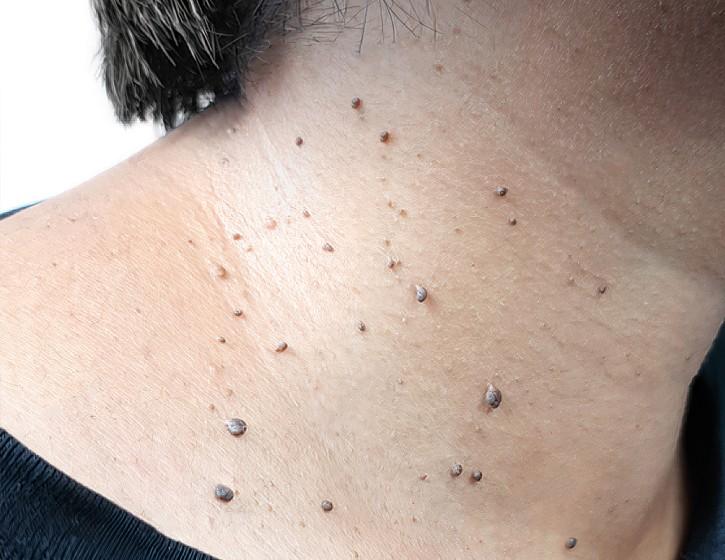
Skin tags are small, soft growths that commonly appear on areas where the skin rubs against itself or clothing. They can develop around the neck, underarms, eyelids, groin, and other parts of the body. Although skin tags are generally harmless, some people seek medical advice when they become irritated, catch on jewellery, or affect their appearance.
Before treatment is considered, a healthcare professional needs to examine the skin tag and confirm whether it appears suitable for removal. This assessment helps distinguish a typical skin tag from other skin growths that may require a different approach. It also allows the clinician to understand the patient's medical history, discuss their concerns, and explain the available treatment options.
For patients considering Skin Tag Removal In UK, understanding the examination process can make the initial consultation easier to navigate. At Well Life Clinic, an assessment can help patients understand their skin concerns and the appropriate next steps before a treatment plan is established.
Why Are Skin Tags Examined Before Removal?
Examining a skin tag before removal is an important part of deciding whether treatment is appropriate. While many skin tags have a recognisable appearance, not every small growth on the skin is necessarily a skin tag. Some other skin conditions can look similar and may need different management.
During the assessment, the clinician considers the growth's appearance, size, location, and history. They may ask whether it has been present for a long time, whether it has changed, and whether it causes irritation or discomfort.
The examination also helps determine whether removal is being considered for practical reasons, cosmetic preferences, or another clinical purpose. For example, a skin tag near the collar may repeatedly rub against clothing, while one in another location may be a concern because of its appearance.
By examining the growth before treatment, the clinician can decide whether straightforward removal may be suitable or whether further assessment is needed. This ensures that the treatment recommendation is based on the individual's circumstances rather than appearance alone.
How Does the Clinician Identify a Typical Skin Tag?
A typical skin tag is a small, soft growth that often protrudes slightly from the skin. It may be attached by a narrow stalk and can vary in colour from skin-toned to darker brown. Some are only a few millimetres in size, while others may be more noticeable.
During the examination, the clinician looks at the growth's shape, surface, colour, and attachment to the surrounding skin. They also consider whether its appearance is consistent with a typical skin tag.
Skin tags commonly develop in areas where friction occurs, including the neck, underarms, groin, and beneath the breasts. Their location can provide useful context, although location alone is not enough to confirm a diagnosis.
The clinician may also consider whether there are several similar growths or a single lesion with different characteristics. If a growth does not have the typical features of a skin tag, additional assessment may be recommended before any removal is planned.
Patients should avoid attempting to diagnose an unfamiliar growth themselves. A clinical examination provides an opportunity to obtain a more reliable assessment and understand the options available.
What Questions Are Asked During the Initial Consultation?
The examination generally begins with a discussion about the patient's concerns. The clinician may ask when the growth first appeared and whether its appearance has remained consistent over time.
Questions may include whether the skin tag has increased in size, changed colour, become irritated, or started bleeding. The clinician may also ask whether it catches on clothing, jewellery, or other objects during daily activities.
Previous treatments can be relevant, particularly if the growth has been treated before or if the patient has experienced similar skin concerns in the past.
The clinician may also ask why the patient is considering removal. Some individuals want to address repeated irritation, while others are concerned about the appearance of the area or simply want to understand whether treatment is appropriate.
These questions help build a clearer picture of the growth and the patient's expectations. Patients should describe any changes they have noticed, even if they are unsure whether those details are important.
How Is the Size, Shape, and Location of a Skin Tag Assessed?
The physical examination focuses on the characteristics of the growth and its position on the body. These details help the clinician determine whether removal may be straightforward or whether a more detailed assessment is required.
The size of the skin tag can influence the approach being considered. A small growth attached by a narrow stalk may be assessed differently from a larger lesion or one with a broad attachment.
The shape and surface are also important. The clinician looks for features that are consistent with a typical skin tag and considers whether anything about the growth suggests another diagnosis.
Location is another relevant factor. Skin tags around the neck or underarms may be examined in relation to repeated friction, while growths near the eyelids or other delicate areas may need particular consideration when discussing treatment options.
The clinician may examine the surrounding skin to understand the local area and identify any additional concerns. Together, these observations help inform the next step in the treatment process.
How Does the Clinician Distinguish Skin Tags From Other Skin Growths?
One of the main purposes of the examination is to determine whether the growth is actually a skin tag. Several types of skin lesions can appear raised, small, or similar in colour, so the clinician considers the overall appearance and history before making a recommendation.
For example, certain moles, warts, and other benign skin growths may resemble skin tags in some circumstances. However, their underlying characteristics and appropriate treatment options can differ.
The clinician may look more closely at a growth that has an unusual shape, an irregular appearance, or a history of noticeable change. A lesion that has recently changed in colour or size, or that bleeds without a clear explanation, may require further medical assessment rather than routine removal.
If the diagnosis is uncertain, the clinician may recommend additional evaluation or referral to a suitable specialist. Depending on the clinical findings, tissue examination may also be considered when a lesion is removed.
This distinction is important because treatment should be based on an appropriate assessment of the growth, not simply on the assumption that it is a skin tag.
Does Your Medical History Affect Skin Tag Removal?
A review of medical history helps the clinician understand the patient's individual circumstances before recommending treatment. Although skin tag removal is often a relatively small procedure, relevant health information can still influence the treatment plan.
The clinician may ask about existing medical conditions, current medicines, known allergies, previous skin procedures, and any relevant history of skin problems. They may also ask whether the patient has previously received treatment for similar growths.
Information about medicines that affect bleeding or healing should be discussed openly. Patients should provide an accurate list of their medicines and follow professional advice about any preparation required before treatment.
Previous reactions to local anaesthetic, where relevant, may also be discussed if the proposed removal method involves its use.
Medical history is considered alongside the physical examination. This allows the clinician to determine whether the proposed approach is suitable and whether any additional information is needed before proceeding.
Which Skin Tag Removal Methods May Be Discussed?
The appropriate removal method depends on the growth's characteristics, its location, and the clinician's assessment. Different techniques may be considered for suitable skin tags, and not every method is appropriate for every patient.
Depending on the clinical circumstances, options may include removal using sterile surgical instruments or other techniques selected by the treating professional. The clinician can explain the proposed method, whether local anaesthetic may be appropriate, and what the treatment appointment generally involves.
The discussion may also cover how the area will be cared for afterwards and whether a follow-up appointment is recommended.
Patients should not try to remove skin tags themselves by cutting them, tying them off, or using unsuitable products. An assessment by a qualified healthcare professional helps establish whether the growth is suitable for removal and which approach may be appropriate.
The purpose of discussing treatment options is to ensure that patients understand the proposed procedure and can make an informed decision before agreeing to treatment.
What Happens If a Growth Is Not a Typical Skin Tag?
Sometimes, an examination reveals that a growth does not have the usual characteristics of a skin tag. In these circumstances, the clinician may recommend further investigation before considering removal.
The next step depends on the growth's appearance, medical history, and examination findings. A specialist assessment may be appropriate if the lesion has unusual features or its diagnosis remains uncertain.
Where a different type of skin growth is suspected, the clinician can explain why another assessment or treatment pathway may be more suitable. This may involve monitoring the area, arranging further diagnostic evaluation, or referring the patient to a specialist.
Patients should seek medical advice about a growth that changes noticeably, develops an irregular appearance, or begins bleeding without an obvious explanation. Such changes should not automatically be assumed to be caused by an ordinary skin tag.
The initial examination therefore serves an important purpose beyond planning removal: it helps identify the appropriate care pathway for the particular skin concern.
What Should You Prepare Before Your Appointment?
A little preparation can help make the consultation more productive. Patients do not generally need extensive preparation for an initial skin tag assessment, but having relevant information available can help the clinician understand the concern.
Before the appointment, consider noting when the growth appeared, whether it has changed, and whether it causes irritation during everyday activities. If you have previously discussed or treated the growth, bring any relevant information from those appointments.
It is also helpful to prepare a list of current medicines, known allergies, and relevant medical conditions. If you have several growths, identify which ones you would like examined so that your concerns can be discussed during the appointment.
Patients may wish to ask about the proposed removal method, the expected appointment arrangements, and the care required afterwards.
Being prepared allows more time for discussing the examination findings and understanding the recommended next steps.
Choosing a Skin Tag Removal Clinic in the UK
When considering a clinic for Skin Tag Removal In UK, patients should look for a service that prioritises appropriate assessment, clear communication, and treatment planning based on individual needs.
The clinician should examine the growth before recommending removal and explain whether it appears consistent with a typical skin tag. Patients should also understand what will happen if the diagnosis is uncertain or further assessment is needed.
It can be helpful to ask which removal methods are available, who will perform the procedure, and what aftercare guidance is provided. The clinic should be able to explain the treatment pathway clearly and advise when a different type of assessment may be necessary.
Some patients may have other skin concerns, such as a separate lump or an area that needs wound care following a previous procedure. These issues should be assessed according to their own clinical requirements rather than automatically being treated as skin tags.
For example, Lump Removal In UK may involve a different assessment depending on the size, location, and nature of the lump. Similarly, Stitches And Wound Care In UK relates to the appropriate management of wounds and the care needed after certain procedures. Each concern requires an assessment suited to its particular circumstances.
At Well Life Clinic, patients can enquire about an assessment for their skin concerns and discuss the appropriate next steps based on the clinician's findings and the services available.
Conclusion
Examining a skin tag before treatment helps establish whether the growth is suitable for removal and whether any further assessment is needed. The process usually involves reviewing the growth's appearance, size, location, and history, Lump Removal In UK alongside relevant medical information and the patient's expectations.
Although typical skin tags are generally harmless, other skin growths can sometimes look similar. A clinical examination helps distinguish these concerns and supports an appropriate treatment recommendation.
Patients can prepare for their appointment by noting any changes, bringing relevant medical information, and preparing questions about treatment and aftercare. With a clear assessment and an individualised plan, patients can make informed decisions about Skin Tag Removal In UK at Well Life Clinic.
Frequently Asked Questions
1. How are skin tags examined before removal?
A clinician examines the growth's size, shape, colour, attachment, and location. They also ask when it appeared and whether it has changed or caused irritation. This helps determine whether it appears to be a typical skin tag.
2. Why should a doctor examine a skin tag before treatment?
Some other skin growths can resemble skin tags. An examination helps the clinician assess the growth, confirm whether removal may be appropriate, and decide whether additional investigation is needed.
3. Where do skin tags commonly develop?
Skin tags frequently appear around the neck, underarms, groin, beneath the breasts, and other areas where skin rubs against skin or clothing. They can also occur in other locations.
4. Can a skin tag be removed during the first appointment?
This depends on the examination findings, the removal method required, and the clinic's arrangements. In some cases, a separate appointment may be needed to plan or perform the procedure.
5. What happens if the growth does not look like a typical skin tag?
The clinician may recommend further assessment, diagnostic investigation, or referral to a specialist. Treatment should be based on the nature of the growth rather than an assumption that it is a skin tag.
6. Does the clinician review medical history before skin tag removal?
Yes. Relevant medical conditions, medicines, allergies, and previous skin treatments may be discussed to help determine the appropriate treatment approach.
7. What should I do if a skin tag changes colour or size?
Arrange a medical assessment rather than assuming the change is normal. A noticeable change, irregular appearance, or unexplained bleeding may indicate that the growth needs closer examination.
8. Are all skin tags suitable for removal?
Not every growth identified by a patient as a skin tag is necessarily a true skin tag. A clinician should assess the area and determine whether removal is appropriate for the specific concern.
9. Can I remove a skin tag at home?
It is best to have an unfamiliar skin growth assessed before attempting removal. Cutting, tying off, or using unsuitable removal products can damage the skin and may delay the correct diagnosis.
10. How can I prepare for a skin tag assessment at Well Life Clinic?
Make a note of when the growth appeared and any changes you have noticed. Bring relevant medical information, a list of current medicines, and questions about examination, removal options, and aftercare.

 Arabic
 French
 Spanish
 Portuguese
 Deutsch
 Turkish
 Dutch
Dutch
 Italiano
 Russian
 Romaian
 Portuguese (Brazil)
 Greek
Greek