


Can Permanent Skin Whitening Treatment Improve Dark Spots?
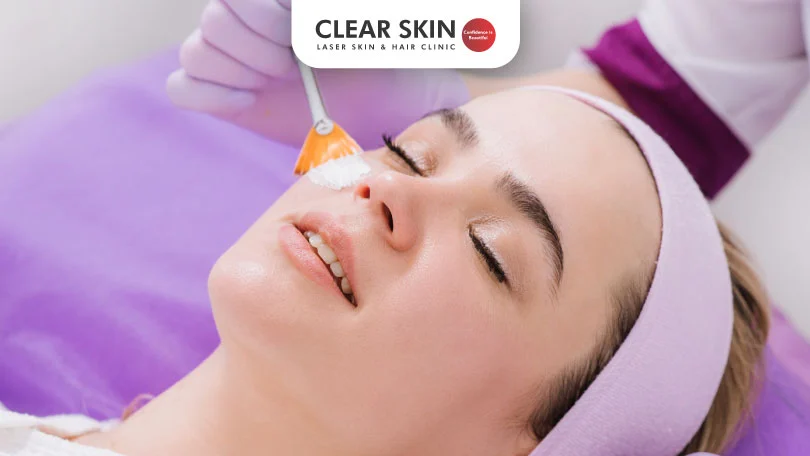
Healthy, clear, and even-looking skin is a common skincare goal for people dealing with tanning, dark spots, acne marks, or uneven pigmentation. These concerns can develop gradually because of sun exposure, hormonal changes, inflammation, or an unsuitable skincare routine. Many people therefore explore Permanent Skin Whitening Treatment in Islamabad to improve their complexion and achieve a more balanced skin appearance.
It is important to understand that no cosmetic procedure can permanently change your natural genetic skin color safely and predictably. However, suitable dermatological treatments may help reduce excess pigmentation, fade certain dark spots, and improve uneven skin tone. Choosing the right treatment depends on your skin type, the cause of discoloration, and your medical history.
What Causes Persistent Skin Discoloration?
Skin discoloration occurs when melanin, the pigment responsible for skin color, becomes unevenly distributed or accumulates in particular areas. This can make some parts of the face or body appear darker than the surrounding skin.
Sun exposure is one of the most common causes. Ultraviolet radiation can stimulate melanin production, leading to tanning, freckles, and dark patches. Acne, insect bites, irritation, and other inflammatory skin conditions can also leave marks that remain visible long after the original problem has healed.
Hormonal changes may contribute to melasma, which commonly appears as brown or grayish patches on the cheeks, forehead, or upper lip. Certain cosmetic products can also trigger irritation and pigmentation, particularly when they contain harsh ingredients.
Before choosing Permanent Skin Whitening Treatment in Islamabad, it is helpful to identify the actual cause of the discoloration. Treating the underlying problem can improve results and reduce the likelihood of pigmentation returning.
Which Treatments Can Help Improve Uneven Skin Tone?
Different treatments address different pigmentation concerns. A dermatologist can examine the affected areas and recommend an appropriate approach rather than relying on a one-size-fits-all solution.
Medical-Grade Skincare
Topical products may help gradually reduce certain types of pigmentation. Depending on the diagnosis, a dermatologist may recommend ingredients such as azelaic acid, retinoids, or other pigment-targeting treatments.
These products work differently and may not be suitable for everyone. Some can cause dryness, redness, or irritation when used incorrectly. Introducing active ingredients gradually and following professional instructions can help protect the skin barrier.
Chemical Peels
Chemical peels use carefully selected solutions to exfoliate the skin. Depending on their strength and formulation, they may improve the appearance of superficial pigmentation, acne marks, and uneven texture.
Not every peel is appropriate for every skin tone. Strong or poorly selected peels can cause burns, prolonged irritation, and additional pigmentation, particularly in darker skin. Professional assessment is therefore essential before treatment.
Laser and Light-Based Procedures
Some laser and light-based procedures target particular pigment deposits. They may be considered for selected sunspots and other diagnosed pigmentation concerns when a qualified professional determines that the procedure is suitable.
Results vary according to the type of pigmentation, skin tone, device, and treatment settings. Certain conditions, including melasma, can recur or worsen after inappropriate laser treatment. A careful consultation helps establish realistic expectations.
People researching Permanent Skin Whitening Treatment in Islamabad should prioritize treatments designed to improve skin health and pigmentation rather than procedures promising an entirely different natural complexion.
Why Is Sun Protection Essential?
Sun protection is a central part of managing pigmentation. Without it, treated areas may darken again, and new spots may develop even after a successful procedure.
Choose a broad-spectrum sunscreen with SPF 30 or higher and apply it generously to exposed skin. Reapply approximately every two hours when outdoors and after swimming or heavy sweating. A wide-brimmed hat, sunglasses, and shade can provide additional protection.
Visible light can also contribute to melasma in some individuals. A dermatologist may suggest a tinted sunscreen containing iron oxides when appropriate.
Consistency matters more than using numerous products. A simple routine that includes a gentle cleanser, moisturizer, and suitable sunscreen may support the skin better than frequent exfoliation or multiple strong treatments.
How Can You Maintain Results After Treatment?
Aftercare varies according to the procedure performed. Following professional instructions is particularly important during the recovery period.
Avoid picking peeling skin, scrubbing treated areas, or introducing strong active ingredients before your skin has recovered. Use gentle skincare products and contact your treating professional if you develop significant swelling, blistering, persistent pain, or unusual discoloration.
It is also useful to take photographs under consistent lighting to monitor gradual changes. Pigmentation often improves over several weeks or months, depending on its cause and the selected treatment. Some conditions require ongoing maintenance rather than a single session.
Be cautious with unregulated whitening creams, unknown injections, and products containing undisclosed ingredients. Mercury-containing products and unsupervised potent steroid creams can cause serious skin problems. Glutathione injections should not be treated as a proven, risk-free method of permanent skin whitening.
How Do You Choose the Right Clinic in Islamabad?
Choosing a reputable clinic involves more than comparing promotional claims. Look for qualified medical professionals, a clear explanation of the proposed procedure, appropriate hygiene standards, and realistic information about possible side effects.
During your consultation, ask what is causing your pigmentation, why a particular treatment has been recommended, how many sessions might be needed, and what alternatives are available. You should also understand the possibility of recurrence and the importance of follow-up care.
If you are exploring Permanent Skin Whitening Treatment in Islamabad, you can contact Enfield Royal Clinic Islamabad to ask about available skin treatments and arrange an assessment. Confirm which procedures are currently offered and who will perform them before making a decision.
A responsible consultation should focus on your specific skin concerns, safety, and achievable outcomes instead of guaranteeing permanent whitening.
Is Permanent Skin Whitening the Right Choice for You?
The best approach depends on whether you are dealing with tanning, acne marks, melasma, sunspots, or another pigmentation condition. These concerns can require different treatments, and results cannot be guaranteed.

 English
 Arabic
 French
 Spanish
 Deutsch
 Turkish
 Dutch
Dutch
 Italiano
 Russian
 Romaian
 Portuguese (Brazil)
 Greek
Greek