


What Should Patients Expect After Root Canal Treatment?
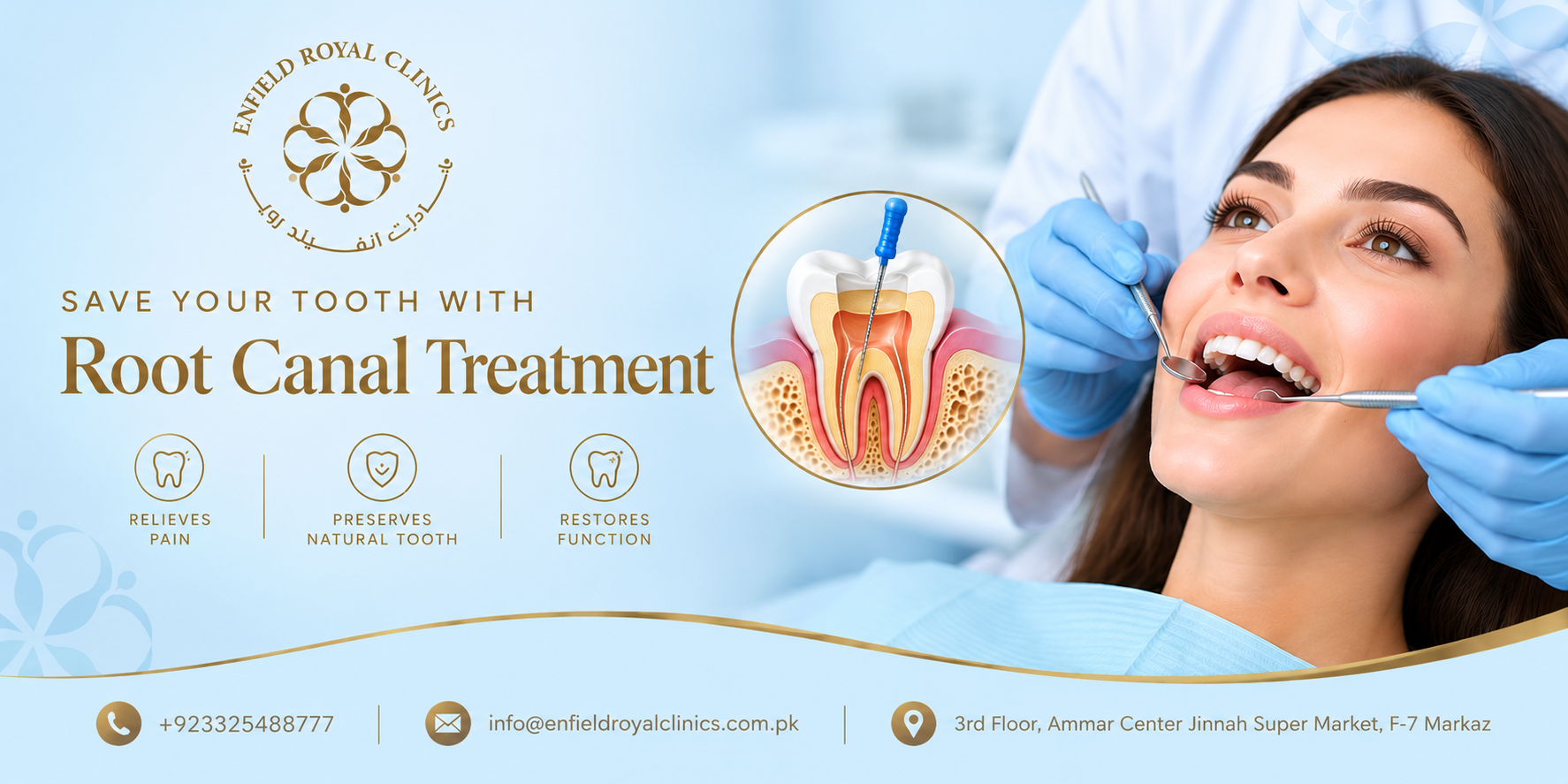
Root canal treatment helps save a natural tooth affected by deep decay, infection, or damage to the inner pulp. Although the procedure removes infected tissue and helps relieve tooth pain, patients may still experience mild discomfort during the healing period. Understanding what happens after treatment can help them recover comfortably and recognize when professional dental advice is necessary.
For patients considering Root Canal Treatment in Islamabad, recovery depends on several factors, including the severity of the original infection, the condition of the surrounding tissues, and whether the tooth has received its final restoration. Most patients can return to their usual activities soon after treatment, but proper aftercare remains essential for long-term success.
1. Is Pain Normal After Root Canal Treatment?
Some tenderness or sensitivity after root canal treatment is normal. Before treatment, the pulp inside the tooth may be inflamed or infected, causing discomfort in the tooth and nearby tissues. Even after the infected pulp has been removed, the tissues around the root may need time to settle.
Patients may notice mild soreness when chewing, biting, or touching the treated tooth. This discomfort usually improves over the first few days. The amount of tenderness varies according to the severity of the infection and the complexity of the procedure.
Local anesthesia may leave the mouth feeling numb for a few hours after the appointment. During this period, patients should avoid chewing until normal sensation returns to reduce the risk of accidentally biting the cheek, tongue, or lip.
A dentist may recommend an appropriate pain reliever based on the patient's medical history and other medications. Patients should follow professional instructions and avoid taking medicines that are unsuitable for their health conditions.
However, severe pain should not be considered a normal part of recovery. Increasing discomfort, significant swelling, fever, or symptoms that fail to improve require dental evaluation. Prompt attention can help identify problems before they become more complicated.
2. What Happens During the First Few Days of Recovery?
The first few days after root canal treatment are usually focused on allowing the surrounding tissues to recover and protecting the treated tooth from unnecessary pressure.
During the first 24 hours, patients may experience mild tenderness, particularly if the tooth was infected or painful before the procedure. Some people notice discomfort when their teeth come together, while others experience very little soreness.
As the days pass, symptoms should generally become less noticeable. Many patients can continue working, studying, and carrying out ordinary daily activities, depending on their comfort level and whether sedation was used.
A few practical steps can make recovery easier:
-
Choose soft foods: Foods such as yogurt, eggs, soup that has cooled sufficiently, and soft rice can reduce pressure on the treated tooth.
-
Avoid hard or sticky foods: Nuts, hard sweets, ice, and chewy foods may damage a temporary filling or place excessive pressure on the tooth.
-
Chew on the opposite side: This can help protect the treated tooth until the permanent restoration is completed.
-
Maintain oral hygiene: Gentle brushing and careful flossing help keep the mouth clean.
-
Follow dental instructions: Any recommended medicines or follow-up appointments should be handled as advised.
Patients should avoid smoking when possible because it can interfere with oral healing and negatively affect overall dental health.
For anyone receiving Root Canal Treatment in Islamabad, following these precautions can support a smoother recovery and help protect the treated tooth.
3. When Can Patients Eat Normally After Root Canal Treatment?
Eating depends partly on whether the numbness has worn off and whether the tooth has received a permanent restoration. Patients should wait until normal sensation returns before eating to avoid accidentally injuring the soft tissues inside the mouth.
Once the numbness disappears, soft foods are generally a comfortable starting point. As tenderness improves, patients can gradually return to their normal diet, provided chewing does not cause significant discomfort.
However, the treated tooth may remain vulnerable if it has only a temporary filling or has not yet received its final restoration. Root canal treatment removes the damaged pulp, but it does not automatically restore all the strength lost through decay or previous dental damage.
A dentist may recommend a permanent filling or dental crown, depending on the tooth's location and the amount of remaining natural structure. Back teeth often experience greater chewing forces, so a crown may be recommended when additional protection is needed.
Until the final restoration is placed, patients should avoid chewing hard foods directly on the treated tooth. They should also contact the dentist if a temporary filling becomes loose, breaks, or falls out.
Eating normally should be a gradual process rather than a reason to ignore pain. If chewing remains uncomfortable or the bite feels uneven, the tooth may need reassessment.
4. How Important Is the Final Dental Restoration?
Completing the restoration is one of the most important steps after root canal treatment. Although cleaning and sealing the root canals address the problem inside the tooth, the outer structure still needs protection from chewing pressure and bacteria.
A permanent filling may be sufficient for some teeth, while others require a dental crown. The decision depends on the tooth's position, the extent of decay, the amount of remaining structure, and the risk of fracture.
A properly fitted restoration helps seal the tooth and reduces the chance of new bacteria entering the treated area. It also helps restore chewing function and protects weakened tooth structure.
Delaying the recommended restoration can increase the risk of fracture or reinfection, particularly when a substantial amount of the tooth has been lost. A severely fractured tooth may become difficult or impossible to save.
Patients should attend their scheduled follow-up appointment even when the pain has disappeared. The absence of pain does not necessarily mean the tooth has completed its recovery or that the final restoration is unnecessary.
When planning Root Canal Treatment in Islamabad, patients should understand that the treatment may involve more than one appointment and that the final restoration is part of the overall process.
5. Which Warning Signs Require a Dentist's Attention?
Most patients recover without serious problems, but certain symptoms should not be ignored. Recognizing warning signs helps prevent a manageable dental issue from becoming more severe.
Patients should contact their dentist if they experience:
-
Pain that becomes stronger instead of gradually improving.
-
Swelling of the gums, jaw, or face.
-
Fever or a general feeling of illness alongside dental symptoms.
-
Persistent discomfort when biting or chewing.
-
A temporary filling that becomes loose or falls out.
-
A bite that feels uneven after the procedure.
-
A return of the original toothache after initial improvement.
These symptoms may indicate continuing inflammation, an issue with the bite, damage to the restoration, or a persistent infection. A dentist can examine the tooth and determine whether an adjustment or further treatment is needed.
Facial swelling accompanied by difficulty breathing or swallowing requires emergency medical care.
Patients should not rely on leftover antibiotics or take antibiotics without professional guidance. Antibiotics are not routinely necessary after every root canal procedure, and their use depends on the clinical situation.
Early communication with a dental professional is generally the safest approach when recovery does not follow the expected pattern.
6. How Can Patients Protect Their Teeth After Root Canal Treatment?
Long-term care is essential for keeping a treated tooth healthy and functional. A root canal removes the infected or inflamed pulp, but the tooth can still develop new decay, suffer a fracture, or experience problems around its roots.
Daily oral hygiene is the foundation of prevention. Patients should brush twice daily with fluoride toothpaste, clean between their teeth, and attend regular dental checkups. These habits help protect both the treated tooth and the surrounding teeth and gums.
Patients who grind or clench their teeth may benefit from discussing protective options with their dentist. Excessive pressure can increase the risk of cracks, particularly in teeth that have already lost substantial structure.
Avoiding the use of teeth to open packages, bite hard objects, or crack nutshells can also reduce the risk of damage. Patients should follow recommendations for crowns or other restorations rather than assuming the tooth no longer needs protection after the root canal is completed.
The long-term outcome depends on several factors, including the original condition of the tooth, the quality of the root canal treatment, the final restoration, and ongoing oral care. With appropriate treatment and maintenance, many root-treated teeth remain functional for years.
For patients seeking Root Canal Treatment in Islamabad, understanding both immediate recovery and long-term maintenance can help them protect their natural teeth and maintain comfortable chewing.
For more information visit Enfield royal clinic in islamabad
Frequently Asked Questions
1. How long does pain last after root canal treatment?
Mild tenderness often improves within a few days, although some patients may experience sensitivity for longer. Pain that becomes severe, persists without improvement, or occurs with swelling should be assessed by a dentist.
2. Can patients brush their teeth after root canal treatment?
Yes. Patients can generally brush their teeth as usual, using a gentle technique around the treated area if it feels tender. Keeping the mouth clean helps reduce the risk of further dental problems.
3. Is a crown always necessary after root canal treatment?
No. Some teeth can be restored with a permanent filling, while others need a crown for additional protection. The decision depends on the tooth's location, the amount of remaining structure, and the likelihood of fracture.
4. When should patients return for a follow-up appointment?
The timing depends on the treatment plan and whether a permanent restoration is still needed. Patients should attend the scheduled appointment and seek earlier assessment if they develop worsening pain, swelling, or problems with the filling.

 English
 Arabic
 French
 Spanish
 Portuguese
 Deutsch
 Turkish
 Dutch
Dutch
 Italiano
 Romaian
 Portuguese (Brazil)
 Greek
Greek