


What Is the Best Way to Travel from Delhi to Agra and Jaipur on a Golden Triangle Tour From Delhi?
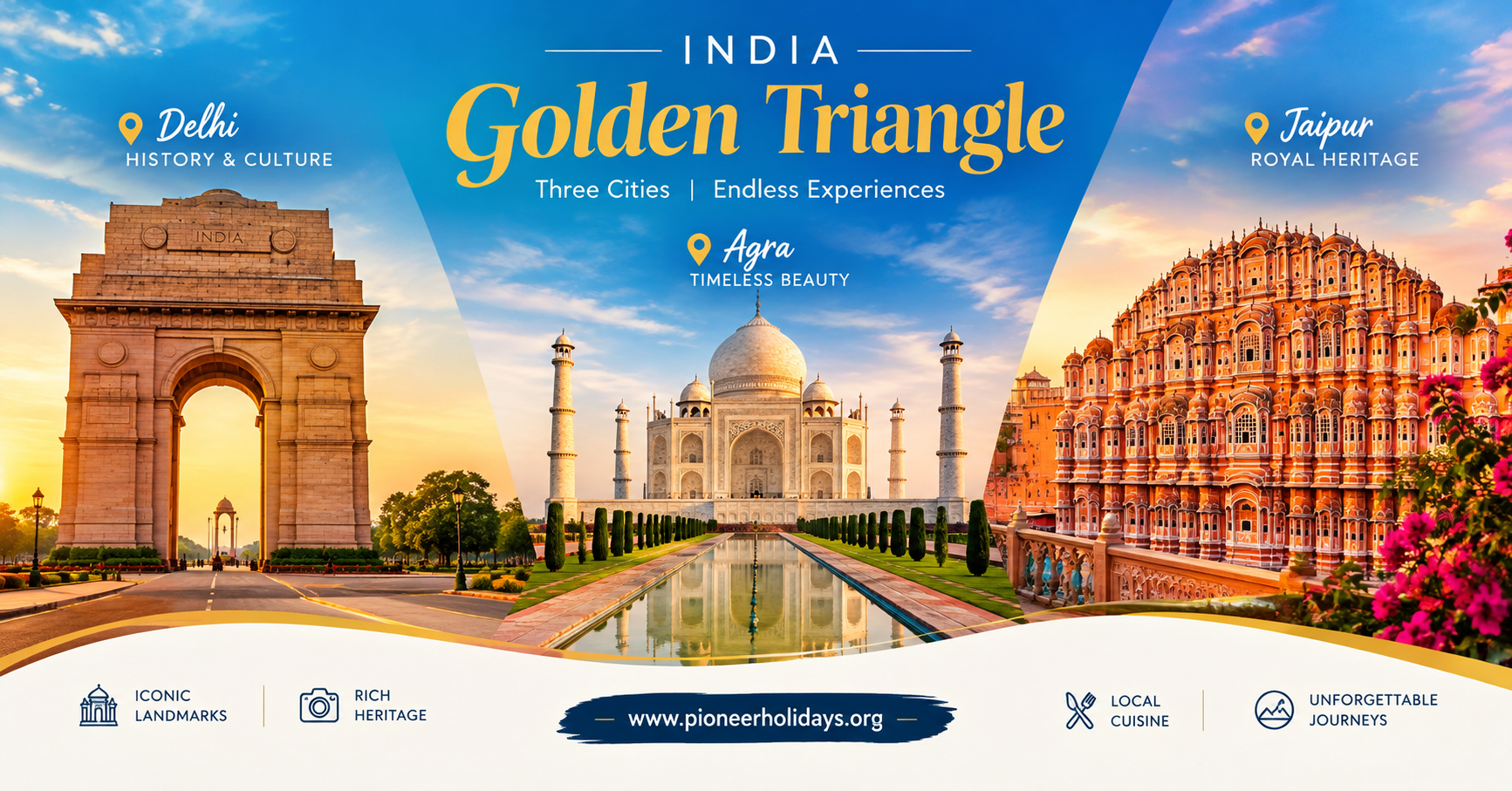
Planning a trip to India often means choosing a route that combines famous landmarks, local culture, history, and memorable food without spending too much time on the road. For many international travelers, Delhi, Agra, and Jaipur offer an excellent introduction to the country. Each city has a distinct character, and together they create a rewarding travel experience.
A Golden Triangle Tour From Delhi is a practical way to explore these three destinations in one trip. Delhi introduces visitors to India's capital and its historic neighborhoods, Agra is home to the Taj Mahal, and Jaipur showcases Rajasthan's royal architecture and colorful traditions. The best way to travel between them depends on your schedule, comfort preferences, and how much time you want to spend at each attraction.
1. Start in Delhi and Choose the Right Route
Delhi is a convenient starting point for travelers arriving on international flights. Before leaving the capital, allow enough time to recover from jet lag and explore a few major sights. Depending on your interests, you might visit Humayun's Tomb, Qutub Minar, India Gate, or the historic lanes around Jama Masjid and Chandni Chowk.
From Delhi, most travelers continue to Agra and then Jaipur. This route avoids unnecessary backtracking and connects three destinations with different architectural styles and cultural experiences.
The road journey from Delhi to Agra generally takes around three to four hours, depending on traffic, the departure point, and stops along the way. Agra to Jaipur usually takes around four to five hours by road, although traffic and route conditions can change the actual journey time.
If you prefer a private vehicle, plan departures early enough to leave time for sightseeing. Travelers using trains should check current schedules, station locations, and onward transport before finalizing their itinerary.
2. Travel from Delhi to Agra for the Taj Mahal
Agra deserves more than a quick photograph of the Taj Mahal. Although many visitors travel there for this famous monument, the city also offers Agra Fort, historic gardens, and a glimpse into the Mughal period.
A private car provides flexibility for travelers who want to set their own departure time or combine several attractions. Trains can be a good alternative for those who prefer a scheduled journey, but you should account for transfers between railway stations and sightseeing locations.
Consider these practical tips before visiting:
-
Choose your Taj Mahal visit time carefully. Early morning can offer softer light and a more comfortable experience, depending on the season and weather.
-
Check official visitor rules. Entry arrangements, security requirements, opening schedules, and restrictions can change.
-
Allow time for Agra Fort. Its courtyards, palaces, and views help explain the historical importance of the region.
-
Avoid an unnecessarily tight schedule. Traffic, queues, and security checks may affect your plans.
If you want to compare different routes, transport options, and trip lengths before making a decision, review the available Golden Triangle Tour From Delhi options and select an itinerary that matches your priorities.
3. Continue from Agra to Jaipur
After exploring Agra, travel to Jaipur, the capital of Rajasthan. The city is known for its pink-toned historic center, royal residences, traditional markets, and distinctive architectural heritage.
A road transfer allows you to travel directly between the two cities and potentially stop at places of interest along the route. However, every additional stop adds time, so decide in advance whether you prefer a direct journey or a more leisurely travel day.
Once in Jaipur, consider visiting Amber Fort, the City Palace, Jantar Mantar, and Hawa Mahal. You can also explore local markets for textiles, handicrafts, jewelry, and traditional souvenirs. When shopping, compare prices and ask about materials before purchasing.
Jaipur is worth at least one full day for a basic introduction, although two days provide more room for sightseeing, meals, and relaxed exploration. If architecture interests you, consider spending additional time at the forts and palaces rather than trying to visit every attraction in a single afternoon.
4. How Many Days Do You Need for the Golden Triangle?
The right duration depends on your arrival time, sightseeing interests, and travel pace. A shorter trip can cover the major highlights, while a longer itinerary offers more time for cultural experiences and optional destinations.
| Trip duration | Best suited for |
|---|---|
| 2 days | Travelers with very limited time who accept a fast-paced schedule |
| 3 days | Visitors who want a compact introduction to all three cities |
| 4 days | Travelers seeking a more balanced mix of travel and sightseeing |
| 5 days | Visitors who prefer additional time in Delhi, Agra, or Jaipur |
| 6 days | Travelers who want a slower pace and room for more experiences |
| 7–8 days | Visitors interested in combining the main cities with another destination |
| 10–13 days | Travelers planning a broader journey through Rajasthan and beyond |
For a very short visit, the 2 Days Golden Triangle Tour requires careful planning because travel and sightseeing must fit into a tight schedule. A 3 Days Golden Triangle Tour is another compact option, while a 4 Days Golden Triangle Tour can give you more breathing room.
If your schedule allows, compare a 5 Days Golden Triangle Tour with a 6 Days Golden Triangle Tour. More time can make a noticeable difference when you want to explore neighborhoods, enjoy local cuisine, and avoid rushing between monuments.
5. Extend Your Trip Beyond Delhi, Agra, and Jaipur
The three main cities provide a strong introduction to North India, but travelers with extra time can explore other regions. The best extension depends on whether you prefer wildlife, religious heritage, historic cities, or Rajasthan's landscapes.
-
Wildlife: The Golden Triangle Tour with Ranthambore adds a national park experience. Wildlife sightings are never guaranteed, so treat a safari as an opportunity rather than a promise.
-
Spiritual and cultural heritage: The Golden Triangle Tour with Varanasi introduces travelers to one of India's important pilgrimage cities.
-
History and Sikh heritage: The Golden Triangle Tour with Amritsar adds a visit to Punjab and the Golden Temple.
-
Lakes and royal architecture: The Golden Triangle Tour with Udaipur offers a different atmosphere, with lakeside views and historic palaces.
-
Blue City and lake city: The Golden Triangle Tour with Jodhpur and Udaipur combines two distinctive Rajasthan destinations.
-
A wider Rajasthan journey: The Golden Triangle Tour with Rajasthan is worth considering if you have nearly two weeks to explore.
-
Desert-state culture and heritage: The Golden Triangle Tour with Pushkar and Jodhpur adds more regional character to the journey.
Before adding destinations, check the travel time between them. A longer itinerary is useful only when it leaves enough time to enjoy each place.
6. Practical Tips for a Smooth Journey
A little preparation can make travel between Delhi, Agra, and Jaipur easier, especially for visitors unfamiliar with Indian roads and railway stations.
Book transport around your sightseeing plans. A private car can simplify hotel transfers and allow flexible stops, while trains may suit travelers comfortable with fixed departure times. Compare the full journey, including transfers and waiting time, rather than looking only at travel duration.
Consider the season. Summer afternoons can be extremely hot, while winter mornings may bring fog that affects road and rail journeys. Check the forecast and leave flexibility in your schedule.
Choose convenient accommodation. Staying within reasonable reach of the attractions you plan to visit can reduce unnecessary travel across each city.
Keep essentials accessible. Carry identification, booking confirmations, drinking water, comfortable footwear, and any required medication. Confirm monument entry rules and transport details shortly before departure.
Build in extra time. Avoid scheduling an international flight immediately after a long road transfer. Delays can occur, and a buffer helps protect your plans.
For itinerary details, destination options, and travel arrangements, you can also visit Pioneer Holidays.
Frequently Asked Questions
Is a private car the best way to travel from Delhi to Agra and Jaipur?
A private car is useful for travelers who value flexibility, hotel pickups, and direct transfers. Trains can also be practical, depending on schedules, station transfers, and personal preferences.
Can I explore all three cities in three days?
Yes, but the trip will be fast-paced. You should prioritize major attractions, keep transfers organized, and avoid adding too many optional stops.
Which city should I spend the most time in?
That depends on your interests. Agra is essential for the Taj Mahal and Mughal heritage, Jaipur rewards travelers interested in forts and royal architecture, and Delhi offers a broad introduction to India's history and contemporary life.
Conclusion
The best way to travel from Delhi to Agra and Jaipur is to choose a route that balances convenient transfers with enough time to enjoy each destination. A car offers flexibility, trains can work well for scheduled journeys, and a carefully planned itinerary helps reduce wasted travel time.
A Golden Triangle Tour From Delhi can fit into a short break or become part of a longer Indian holiday. Choose your trip length according to your interests, account for seasonal conditions, and leave room for unexpected delays. With realistic planning, you can experience Delhi's historic streets, the Taj Mahal in Agra, and Jaipur's royal heritage without turning the entire trip into a race.

 English
 Arabic
 French
 Spanish
 Portuguese
 Deutsch
 Turkish
 Dutch
Dutch
 Russian
 Romaian
 Portuguese (Brazil)
 Greek
Greek