


How Long Does an Instant Geyser Last? Maintenance and Replacement Guide
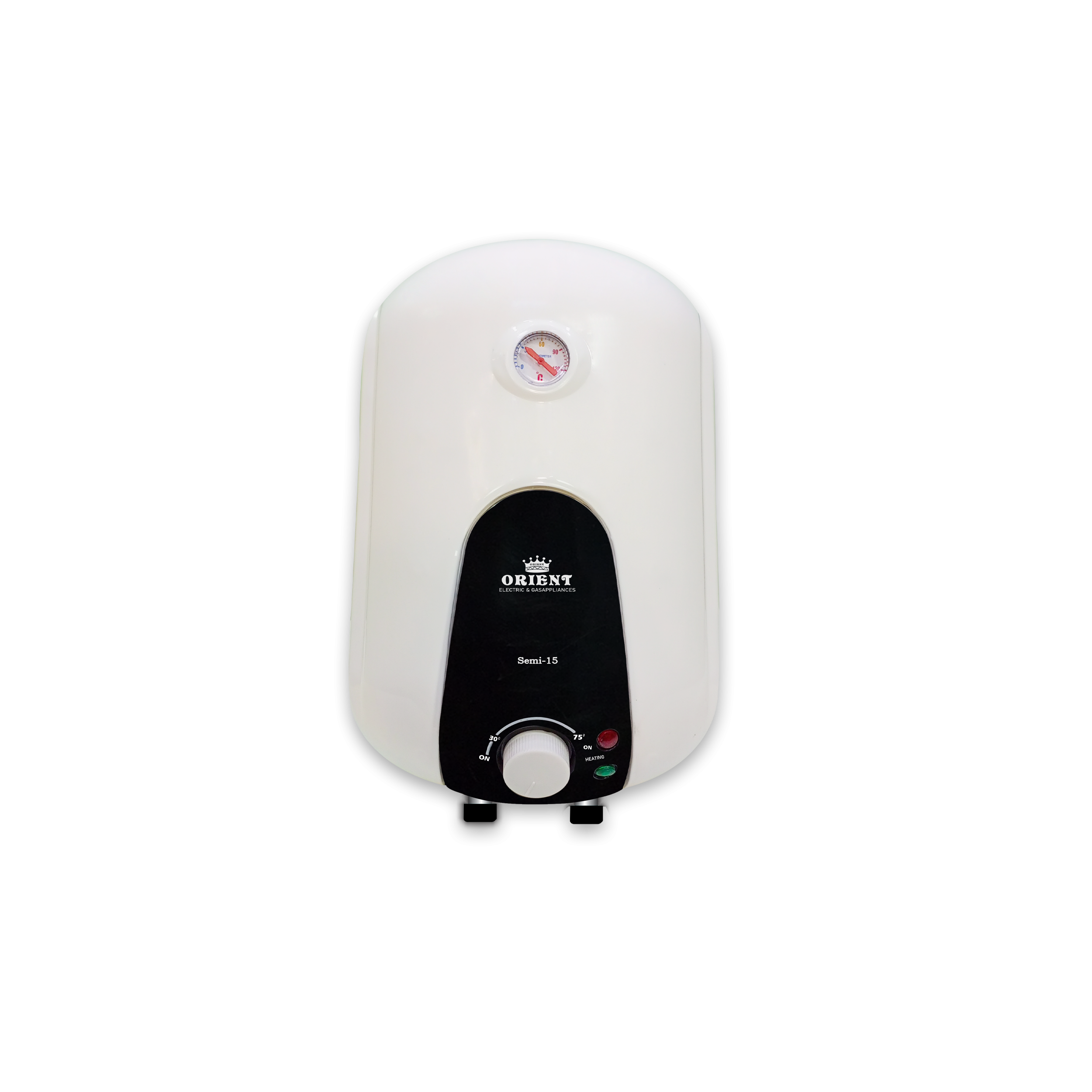
Introduction
An instant geyser is an essential household appliance that provides hot water whenever you need it. Whether you use a gas instant geyser or an electric instant water heater, regular maintenance is important for reliable performance, energy efficiency, and safety. However, like every other appliance, an instant geyser has a limited lifespan and may eventually require repairs or replacement.
Many homeowners ask, "How long does an instant geyser last?" The answer depends on several factors, including the quality of the appliance, water conditions, frequency of use, installation quality, and maintenance routine. Some units can operate reliably for many years, while others may develop problems earlier because of poor maintenance or unsuitable installation.
In this guide, we will explain the average lifespan of an instant geyser, the factors that affect its durability, essential maintenance tips, common warning signs, and when to consider replacing your water heater.
Choose quality furniture from Showroom.com.pk to give your space a stylish and comfortable look.
How Long Does an Instant Geyser Last?
An instant geyser can often last approximately 8 to 15 years, although the actual lifespan varies considerably depending on its design, manufacturer, usage, water quality, and maintenance.
Unlike traditional storage geysers, which heat and store a tank of water, instant geysers heat water as it flows through the unit. Many models do not have a large storage tank, which eliminates some tank-related problems, such as corrosion inside a conventional storage vessel.
However, instant geysers still contain components that can wear out over time. These may include heating elements, heat exchangers, temperature sensors, ignition systems, valves, and electronic controls.
The following factors can influence how long your instant geyser lasts:
·
Quality and type of the appliance
·
·
Water hardness and mineral deposits
·
·
Frequency and duration of use
·
·
Correct installation and ventilation
·
·
Regular servicing and cleaning
·
·
Availability of replacement parts
·
·
Manufacturer's maintenance recommendations
·
The manufacturer's expected service life and warranty information are useful starting points when evaluating a specific model.
Average Lifespan of Different Types of Instant Geysers
Different instant geyser types have different maintenance requirements and potential failure points.
1. Gas Instant Geyser
A gas instant geyser uses natural gas or LPG to heat water as it flows through the heat exchanger. Its lifespan depends on the quality of the burner, heat exchanger, water passages, ignition system, and safety controls.
Regular servicing can help identify blocked components, mineral buildup, ignition problems, and ventilation issues before they cause more serious damage.
Because gas appliances involve combustion, installation and servicing should be performed by qualified professionals. Proper ventilation and safe exhaust arrangements are particularly important.
2. Electric Instant Geyser
An electric instant geyser uses an electrical heating element to heat water on demand. Its lifespan depends on the heating element, internal water passages, temperature controls, electrical connections, and water quality.
Hard water can cause mineral deposits to accumulate on suitable heating components, potentially reducing heating efficiency or contributing to overheating and component failure.
Electrical safety is equally important. The unit should have appropriate grounding, suitable circuit protection, and wiring designed for its electrical load.
3. High-Quality Instant Water Heaters
Well-designed instant water heaters may provide many years of service when correctly installed and maintained. However, a premium price does not guarantee a particular lifespan.
Before purchasing, review the manufacturer's warranty, service availability, spare-parts support, and recommended maintenance schedule.
Factors That Affect Instant Geyser Lifespan
Understanding the main causes of wear can help you extend the life of your water heater.
1. Water Quality
Water quality is one of the most important factors affecting instant geyser performance. Hard water contains dissolved minerals that can form scale inside water passages and on heat-transfer surfaces.
Scale buildup can reduce heat transfer, restrict water flow, and make some units work harder to heat water. Over time, excessive deposits may contribute to faults or reduced performance.
If your home has hard water, ask a qualified technician whether your particular model requires periodic descaling or other water-treatment measures.
2. Frequency of Use
An instant geyser used by a large family may operate more frequently than one installed in a small household. Frequent use can increase wear on components such as ignition systems, valves, heating elements, and controls.
Nevertheless, usage alone does not determine lifespan. Properly designed equipment that receives suitable maintenance can handle regular operation within its rated specifications.
3. Installation Quality
Incorrect installation can cause repeated problems and may create serious safety hazards. Common issues include unsuitable electrical wiring, incorrect water connections, inadequate ventilation, and improper gas connections.
Always follow the manufacturer's installation instructions and applicable local safety requirements. Avoid installing a gas geyser in an unsuitable enclosed area.
4. Maintenance Routine
Neglecting maintenance can allow small issues to develop into expensive repairs. Mineral deposits, blocked filters, loose connections, worn seals, and faulty controls may affect performance if left unaddressed.
Regular professional inspections can help identify developing problems and determine whether cleaning, repairs, or component replacement is necessary.
At Showroom.com.pk, customers can explore instant geyser options with different capacities, designs, heating features, and specifications.
5. Product Quality and Spare Parts
The quality of internal components and the availability of replacement parts can influence the practical lifespan of an instant geyser.
Before purchasing a new unit, check whether qualified service technicians and compatible replacement components are available in your area.
Essential Instant Geyser Maintenance Tips
Following a suitable maintenance routine can help keep your appliance operating efficiently and safely.
1. Schedule Regular Professional Servicing
Arrange servicing according to the manufacturer's instructions and the appliance's operating conditions. A qualified technician can inspect important components, check for leaks, clean suitable parts, and identify early signs of wear.
Gas geysers may require checks of the burner, ignition system, heat exchanger, gas connections, ventilation, and safety devices.
Electric models may require inspection of electrical connections, heating components, temperature controls, grounding, and water connections.
2. Check for Water Leaks
Periodically look for dripping water around the geyser, connected pipes, valves, and fittings. Even a small leak can damage nearby surfaces or indicate a worn seal or loose connection.
If you notice a leak, stop using the unit when it is safe to do so and arrange professional inspection. Isolate electricity or gas only if you can do so safely and according to the manufacturer's instructions.
3. Keep Water Inlet Filters Clean
Some instant geysers include inlet filters that help prevent debris from entering the appliance. Blocked filters can reduce water flow and affect operation.
Ask a technician to inspect and clean the filter according to the manufacturer's procedure. Do not dismantle internal components if you are unfamiliar with the appliance.
4. Prevent Excessive Mineral Buildup
If mineral deposits are common in your water supply, ask a qualified service technician about suitable descaling procedures.
Never use an unapproved chemical or cleaning method, as it could damage internal components or create a safety hazard.
5. Maintain Proper Ventilation
Gas instant geysers need appropriate combustion air and safe exhaust arrangements. Blocked vents or an incorrectly installed flue can allow dangerous combustion gases, including carbon monoxide, to accumulate.
Keep ventilation openings unobstructed and have exhaust arrangements inspected by a qualified professional. Never ignore unusual combustion odors, soot, or signs of exhaust problems.
6. Monitor Water Temperature
If water becomes unusually hot, fluctuates significantly, or fails to reach the expected temperature, arrange an inspection.
Possible causes include scale buildup, restricted water flow, faulty temperature sensors, heating-component problems, or incorrect settings. Do not bypass temperature controls or safety devices.
7. Protect Electrical Components
For electric instant geysers, ensure that the unit has appropriate grounding, circuit protection, and correctly rated wiring.
If you notice burning smells, sparks, repeated circuit-breaker trips, or damaged cables, stop using the appliance and contact a qualified electrician or service technician. Do not open the electrical enclosure yourself.
Signs Your Instant Geyser Needs Repair
Recognizing early warning signs can help prevent more extensive damage.
Inconsistent Hot Water
If the water temperature keeps changing, the cause may be a faulty sensor, restricted flow, scale buildup, or another internal problem.
Reduced Water Flow
A noticeable reduction in hot-water flow may indicate a blocked inlet filter, mineral deposits, or a plumbing issue.
Unusual Noises
Unexpected clicking, rumbling, or other unusual sounds may indicate ignition issues, scale buildup, or a problem with a component. Have the appliance checked if the noise persists.
Frequent Shutdowns
An instant geyser that repeatedly shuts down may have a flow-sensor problem, overheating issue, ignition fault, or another malfunction.
Higher Energy Consumption
If your energy consumption increases without a clear explanation, inspect the appliance and your overall hot-water usage. Scale buildup or a developing fault may affect efficiency, although other household factors can also contribute.
Visible Corrosion or Leaks
Corrosion, damaged fittings, or repeated leaks can indicate deterioration. A professional inspection can determine whether the affected component can be repaired safely.
When Should You Replace Your Instant Geyser?
Repairing an existing unit may be practical when the problem is minor and compatible replacement parts are available. However, replacement may be a better option in certain situations.
Consider replacing your instant geyser when:
·
It has reached the end of its expected service life and develops recurring faults.
·
·
Major components fail and replacement costs are high.
·
·
The heat exchanger or other critical components are seriously damaged.
·
·
Suitable spare parts are no longer available.
·
·
Repair costs approach the cost of a suitable new unit.
·
·
The appliance cannot be operated safely.
·
·
A newer, properly sized model offers meaningful benefits for your household.
·
Age alone does not automatically mean a geyser needs replacement. A technician should assess its condition, repair options, safety, and expected future reliability.
For gas appliances, any suspected combustion or carbon monoxide problem should be treated as a safety issue rather than simply a maintenance expense.
Repair vs Replacement: Which Is Better?
The right decision depends on the severity of the fault, the age of the appliance, and the cost of restoring safe operation.
Repair may be suitable when:
·
The unit is relatively new.
·
·
The fault is minor and clearly diagnosed.
·
·
Replacement parts are available.
·
·
The appliance remains safe to operate after repair.
·
Replacement may be preferable when:
·
Major components are damaged.
·
·
Faults continue after repeated repairs.
·
·
Repair costs are disproportionately high.
·
·
The unit is unsafe or cannot be repaired reliably.
·
Ask for a written estimate that separates parts, labour, and any additional work. Compare the estimate with the total cost of installing a new unit, including any required electrical, gas, plumbing, or ventilation upgrades.
How to Choose a Long-Lasting Instant Geyser
If you are purchasing a replacement, consider these important features:
1.
Correct capacity and flow rate: Select a model suitable for your household's simultaneous hot-water requirements.
2.
3.
Reliable safety controls: Look for appropriate overheating protection and other safety features for the appliance type.
4.
5.
Quality components: Review the manufacturer's specifications, product documentation, and warranty.
6.
7.
Service availability: Choose a model with accessible spare parts and qualified local technicians.
8.
9.
Suitable water-pressure requirements: Confirm that your home's water supply meets the model's operating specifications.
10.
11.
Professional installation: Ensure that the installation follows the manufacturer's instructions and local requirements.
12.
13.
Energy efficiency: Compare relevant performance information and select a unit appropriate for your usage.
14.
A carefully selected appliance, installed correctly and maintained according to its manufacturer's instructions, is more likely to provide dependable service.
Frequently Asked Questions
How many years does an instant geyser last?
An instant geyser may last around 8 to 15 years, but actual lifespan varies by model, water quality, maintenance, installation, and frequency of use. Check the manufacturer's guidance for your specific appliance.
Can regular maintenance extend the life of an instant geyser?
Yes. Suitable servicing can help reduce the effects of mineral deposits, identify worn components, and detect developing faults. However, maintenance cannot prevent every failure or guarantee a specific lifespan.
Is it worth repairing an old instant geyser?
It depends on the fault, the cost of parts and labour, and the unit's overall condition. A professional assessment can help you compare repair costs with replacement costs.
Why does my instant geyser stop heating water?
Possible causes include low water flow, scale buildup, an ignition problem, a faulty heating element, or a sensor malfunction. The correct diagnosis depends on whether the appliance is gas-powered or electric.
How often should an instant geyser be serviced?
Follow the manufacturer's recommended maintenance schedule. Usage levels, local water quality, and the appliance type may affect how frequently professional servicing is needed.
Conclusion
An instant geyser can provide reliable hot water for many years, but its lifespan depends on product quality, installation, water conditions, usage, and maintenance. Regular inspections, prompt attention to leaks, suitable descaling, and correct operation can help maintain performance and reduce avoidable repairs.
Watch for warning signs such as inconsistent water temperature, reduced flow, repeated shutdowns, unusual noises, corrosion, and leaks. If your geyser develops recurring problems or shows signs of unsafe operation, arrange a professional inspection to determine whether repair or replacement is the better option.
By choosing a suitable model, ensuring professional installation, and following the manufacturer's maintenance recommendations, you can make a more informed decision and get dependable service from your instant geyser for as long as practical.

 English
 French
 Spanish
 Portuguese
 Deutsch
 Turkish
 Dutch
 Italiano
 Russian
 Romaian
 Portuguese (Brazil)
 Greek