


Commercial Cleaning: A Complete Guide to Maintaining a Clean, Safe and Productive Workplace
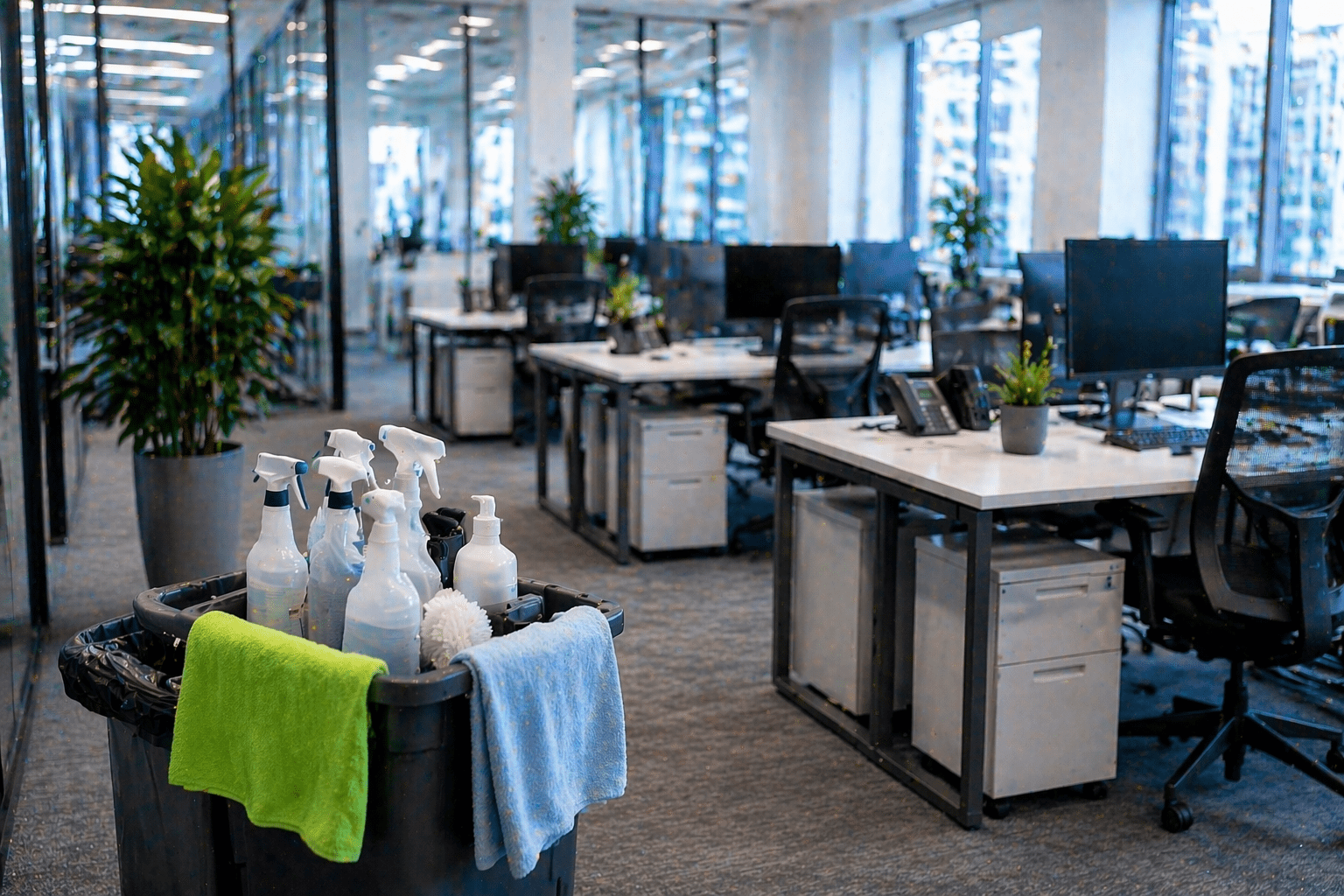
A clean workplace plays an important role in employee wellbeing, customer satisfaction, workplace safety and the overall reputation of a business. From offices and retail shops to schools, restaurants and industrial facilities, maintaining hygienic surroundings helps organisations create a professional environment where people can work comfortably and visitors feel welcome. However, keeping commercial premises consistently clean requires more than occasional dusting and mopping. It involves a structured approach, suitable cleaning products, trained staff and a clear understanding of the needs of each building.
Commercial Cleaning covers a wide range of services designed to maintain workplaces and business premises to appropriate standards of cleanliness and hygiene. These services can include floor care, washroom sanitation, surface disinfection, waste management, kitchen cleaning and the maintenance of frequently touched areas. The right cleaning routine depends on the size of the premises, the number of people using the space, the type of business and its daily activities.
In addition, a well-maintained workplace can support a positive first impression, protect valuable furnishings and help businesses manage their facilities more effectively. Understanding the available services, recommended cleaning practices and factors involved in choosing a provider enables business owners to make informed decisions about their cleaning requirements.
What are Commercial Cleaners?
Commercial cleaning refers to professional cleaning services provided for business premises and other non-residential environments. Unlike routine domestic cleaning, which usually focuses on individual homes, workplace cleaning is planned around business operations, occupancy levels, specific hygiene requirements and the condition of the premises.
A professional cleaning programme may include scheduled daily tasks, weekly maintenance, periodic deep cleaning and specialist treatments when required. For example, an office might need its desks, floors and washrooms cleaned every working day, while carpets, upholstery and high-level surfaces may require attention less frequently.
The main objective is to maintain a consistently clean, comfortable and functional environment without unnecessarily disrupting normal business activities.
How Professional Cleaning Differs from Domestic Cleaning
Although some cleaning techniques are similar, commercial environments often require more detailed planning. Businesses may have larger floor areas, shared facilities, higher footfall and equipment that needs specific cleaning methods.
Professional teams generally work according to an agreed scope of work, which identifies the areas to be cleaned, the frequency of visits and the expected standards. They may also use commercial-grade equipment and cleaning products appropriate to the surfaces being maintained.
Furthermore, cleaning schedules can be arranged outside normal operating hours to minimise disruption to staff, customers and visitors.
Why Workplace Hygiene Matters
Maintaining clean business premises is important for several reasons. Clean surroundings influence how people perceive an organisation, how comfortably employees use the facilities and how effectively a building can be maintained.
Creating a Professional First Impression
Customers and business partners often form an impression of an organisation as soon as they enter its premises. Dirty floors, overflowing bins, dusty furniture and unpleasant washroom conditions can make a business appear poorly managed.
Conversely, clean entrances, tidy reception areas and well-maintained meeting rooms communicate attention to detail. This is particularly important for businesses that welcome clients regularly, including professional offices, retail outlets, hospitality venues and customer service centres.
A consistent cleaning routine helps ensure that the premises remain presentable throughout the working week rather than only immediately after a major cleaning session.
Supporting Employee Comfort and Wellbeing
Employees spend a substantial part of their day in the workplace. Dust accumulation, overflowing waste bins, poorly maintained washrooms and neglected shared kitchens can affect their comfort.
Regular cleaning helps manage everyday dirt and maintain more hygienic shared spaces. Cleaning frequently touched surfaces can also form part of a wider workplace hygiene programme, alongside appropriate ventilation, handwashing facilities and good personal hygiene practices.
However, cleaning alone cannot eliminate every health risk. Businesses should combine suitable cleaning procedures with other relevant workplace safety and hygiene measures.
Protecting Workplace Equipment and Interiors
Floors, carpets, furniture and fixtures can deteriorate when dirt and debris are allowed to accumulate. Grit can scratch hard flooring, while untreated spills may leave permanent marks on carpets or upholstery.
Regular maintenance helps preserve the appearance of interior surfaces and may reduce the need for premature repairs or replacements. Selecting appropriate products is equally important because unsuitable chemicals or abrasive tools can damage certain finishes.
Types of Commercial Cleaners
In addition to Commercial cleaning different premises require different cleaning solutions. Understanding the main service categories helps businesses identify which tasks should be included in their maintenance plans.
Office Cleaning
Office cleaning focuses on maintaining workstations, meeting rooms, reception areas, kitchens, washrooms and communal spaces.
Typical tasks include dusting accessible surfaces, vacuuming carpets, mopping hard floors, emptying bins, cleaning internal glass and sanitising appropriate high-touch points. Shared kitchens may also require cleaning of worktops, sinks, appliance exteriors and dining tables.
A suitable schedule should reflect the number of employees, the layout of the office and the level of daily use. For example, a busy office with frequent visitors may need more attention to entrances and washrooms than a small office with limited occupancy.
Retail and Commercial Premises
Retail shops, showrooms and customer-facing businesses need clean floors, shelves, counters and entrance areas to provide a welcoming experience.
Cleaning requirements may vary according to the type of products sold and the amount of customer traffic. Shopping areas with heavy footfall can accumulate dirt quickly, especially during wet weather.
Cleaning can be arranged before opening, after closing or during quieter periods, depending on the business's operating hours and safety requirements.
School and Educational Facility Cleaning
Educational settings include classrooms, corridors, staff rooms, dining areas, toilets and shared activity spaces. These environments experience regular use by pupils, teachers, visitors and support staff.
A structured cleaning plan should account for busy periods, age-appropriate safety requirements, spill management and the correct use of cleaning chemicals. Particular attention should be given to shared touchpoints and washroom facilities.
Products must be stored securely, and cleaning activities should be coordinated to prevent children or other building users from entering areas where wet floors or cleaning equipment could create hazards.
Commercial Kitchen Cleaning
Commercial kitchens require careful attention to grease, food residue, work surfaces, floors, sinks and food preparation equipment. Cleaning procedures must be suitable for the surfaces involved and compatible with applicable food hygiene requirements.
Cleaning and disinfection are different processes. Cleaning removes visible dirt, grease and food debris, while disinfection reduces specified microorganisms when an appropriate product is used correctly. Some food preparation surfaces require both steps.
Businesses should also follow relevant requirements for extractor systems, grease management and specialist equipment maintenance. Routine surface cleaning does not replace professional maintenance where a specialist service is necessary.
Industrial and Warehouse Cleaning
Warehouses and industrial buildings may accumulate dust, packaging debris, vehicle dirt and production-related residues. Their cleaning needs depend on the activities taking place, the materials handled and the machinery installed.
Cleaning plans should identify traffic routes, loading bays, storage areas, staff facilities and any locations with specific contamination risks. Where industrial substances are present, appropriate risk assessments and specialised procedures may be required.
Staff should never clean machinery without following the relevant isolation procedures and site safety requirements.
Essential Areas That Need Regular Attention
An effective cleaning programme should prioritise areas according to their use, condition and potential hygiene risks.
Floors, Entrances and Walkways
Entrances collect dirt, moisture and debris brought in from outside. If this material is not removed regularly, it can spread throughout the building and contribute to slip hazards or surface damage.
Useful maintenance measures include entrance matting, frequent sweeping or vacuuming, prompt spill management and suitable floor cleaning methods. The choice of equipment and products should depend on whether the surface is carpet, vinyl, stone, laminate or another material.
Wet floors should be clearly signposted, and the area should remain controlled until it is safe for normal use.
Washrooms and Shared Facilities
Washrooms require a reliable schedule covering toilets, sinks, taps, mirrors, dispensers, floors and frequently touched surfaces. Soap and paper supplies should also be checked to ensure that facilities remain usable.
Cleaning clothes and equipment should be managed carefully to prevent cross-contamination between washrooms, kitchens and general office areas. Where required, colour-coded cleaning systems can help staff distinguish equipment for different tasks.
Kitchens, Break Rooms and Dining Areas
Shared kitchens can quickly accumulate food crumbs, grease, spills and waste. Worktops, sinks, tables and appliance exteriors should be cleaned according to an agreed schedule.
Food waste should be removed promptly, and bins should be cleaned when necessary. Refrigerators and other shared appliances may need additional maintenance responsibilities assigned to employees or cleaning staff.
Clear procedures help prevent confusion about which tasks are included in the professional cleaning service and which remain the responsibility of workplace users.
Desks and Frequently Touched Surfaces
Door handles, switches, shared keyboards, reception counters and meeting-room tables may be touched by many people throughout the day.
These surfaces should be cleaned at a frequency appropriate to their use and risk. Electronic equipment requires particular care, as excess moisture and unsuitable products can cause damage. Manufacturer guidance should be followed when cleaning screens, keyboards and other sensitive devices.
How to Build an Effective Cleaning Schedule
A planned schedule makes it easier to maintain consistent standards and identify tasks that are being missed.
Assess the Premises Before Setting Priorities
Begin by inspecting the building and recording its main areas, flooring types, washrooms, kitchens and high-traffic locations. Consider the number of occupants, opening hours and any specific hygiene requirements.
This assessment helps determine which tasks need daily attention and which can be completed weekly or periodically.
Divide Tasks by Frequency
A practical schedule can organise work into several categories:
-
Daily: Emptying bins, cleaning washrooms, removing visible dirt, maintaining entrances and cleaning frequently used surfaces.
-
Weekly: Detailed dusting, cleaning less frequently used areas, treating suitable floor surfaces and checking overlooked corners.
-
Periodic: Deep carpet cleaning, upholstery maintenance, intensive floor treatment and other specialist work where necessary.
These are general examples rather than universal rules. A busy restaurant, medical environment and small office will have different requirements, so the final schedule should be based on a proper assessment.
Use Checklists and Quality Inspections
Written checklists help cleaning staff understand their responsibilities and provide a consistent reference for supervisors. They can record completed tasks, highlight supply shortages and identify problems that need further attention.
Regular inspections are also useful. Supervisors can review the condition of floors, washrooms, kitchens and communal spaces, then adjust the cleaning programme if recurring issues are identified.
Choosing the Right Cleaning Provider
In addition to Commercial cleaning selecting a suitable provider involves more than comparing prices. Businesses should evaluate service quality, staff training, communication, reliability and the provider's ability to meet the needs of the premises.
Check Experience and Service Coverage
Ask whether the provider has experience with similar buildings and understands the cleaning challenges associated with the industry. A company maintaining office premises may have different equipment and procedures from one working in warehouses or commercial kitchens.
The provider should clearly explain which tasks are included, how often they will be performed and whether specialist services are available when required.
Review Training, Insurance and Safety Procedures
Businesses should check relevant insurance arrangements, staff training and health and safety procedures. Cleaning teams need to understand chemical handling, safe equipment use, manual handling and procedures for dealing with spills.
Risk assessments and method statements may be appropriate for particular sites or tasks. Where a workplace has special access, security or safeguarding requirements, these should be discussed before work begins.
Compare Quotes Fairly
A low quotation is not necessarily the most cost-effective option. Businesses should compare the scope of work, staffing arrangements, cleaning frequency, equipment, consumables and any additional charges.
A detailed quotation makes it easier to understand what the business is paying for and reduces the risk of disagreements later. It is also helpful to establish a clear process for reporting missed tasks or requesting changes to the schedule.
Health, Safety and Environmentally Responsible Practices
Responsible cleaning involves protecting building users, cleaning staff, workplace equipment and the surrounding environment.
Correct Use of Cleaning Products
Cleaning chemicals should be selected for their intended purpose and used according to the manufacturer's instructions. Staff should follow the specified dilution rates, contact times, ventilation requirements and personal protective equipment guidance.
Different products should never be mixed unless the manufacturer explicitly confirms that doing so is safe. In particular, mixing bleach with acids or ammonia-containing products can release dangerous gases.
Chemicals should be stored securely in their appropriate containers, with labels intact and access restricted where necessary.
Reducing Waste and Water Consumption
Businesses can improve resource efficiency by using appropriate dosing systems, avoiding unnecessary water use and choosing durable cleaning equipment. Reusable materials may reduce waste when they can be safely laundered and maintained.
Environmentally preferable products can also be considered, provided they are suitable for the cleaning task and meet the required performance standards. Green claims should be supported by reliable product information rather than assumptions based solely on marketing language.
Maintaining Safe Working Conditions
Cleaning activities can create temporary hazards, including wet floors, trailing cables and restricted access. Warning signs, safe equipment positioning and appropriate scheduling help reduce these risks.
Cleaning staff should receive suitable training, and businesses should provide clear information about site-specific hazards. Any incidents, recurring safety concerns or equipment defects should be reported through the agreed procedure.
Understanding the Cost of Professional Cleaning
The cost of a cleaning contract depends on several factors, so there is no single price that suits every workplace.
The size and layout of the premises are important because larger buildings generally require more time and resources. Cleaning frequency, the condition of the building, the number of washrooms, floor types and specialist requirements can also affect the quotation.
Other considerations may include out-of-hours access, the provision of cleaning products, waste handling and the need for specialist equipment.
Businesses can manage costs by identifying essential tasks, agreeing realistic cleaning frequencies and reviewing service performance regularly. However, reducing visits without considering hygiene requirements may lead to poorer conditions and additional maintenance needs.
A well-defined service agreement helps businesses balance budget considerations with cleanliness, safety and the expectations of employees and visitors.
Measuring Cleaning Quality and Maintaining Standards
Consistent standards require ongoing monitoring rather than relying on occasional visual checks.
Businesses can use inspection records, feedback from employees, documented task completion and reviews of recurring complaints to assess service performance. Particular attention should be given to areas that repeatedly become dirty or require additional work.
If standards fall below expectations, the first step should be to identify the underlying cause. The issue might relate to an unrealistic schedule, insufficient staffing, unsuitable equipment or unclear responsibilities.
Regular communication between the business and cleaning provider makes it easier to resolve problems and adjust the service as circumstances change.
Conclusion
A clean workplace supports professionalism, employee comfort, effective facility management and a positive experience for customers and visitors. By identifying the needs of each area, creating a realistic schedule, using appropriate cleaning products and monitoring results, businesses can maintain reliable hygiene standards while protecting their premises and equipment.
Choosing a provider should involve careful consideration of experience, safety, service coverage and value rather than price alone. For organisations seeking a consistent and well-organised approach to workplace hygiene, The Pristine Team Ltd can be considered when reviewing cleaning requirements and planning a suitable service for their business premises.

 English
 Arabic
 French
 Spanish
 Portuguese
 Deutsch
 Turkish
 Dutch
 Italiano
 Romaian
 Portuguese (Brazil)
 Greek