


What to Do With a Car Left Behind After a Roommate Moves Out
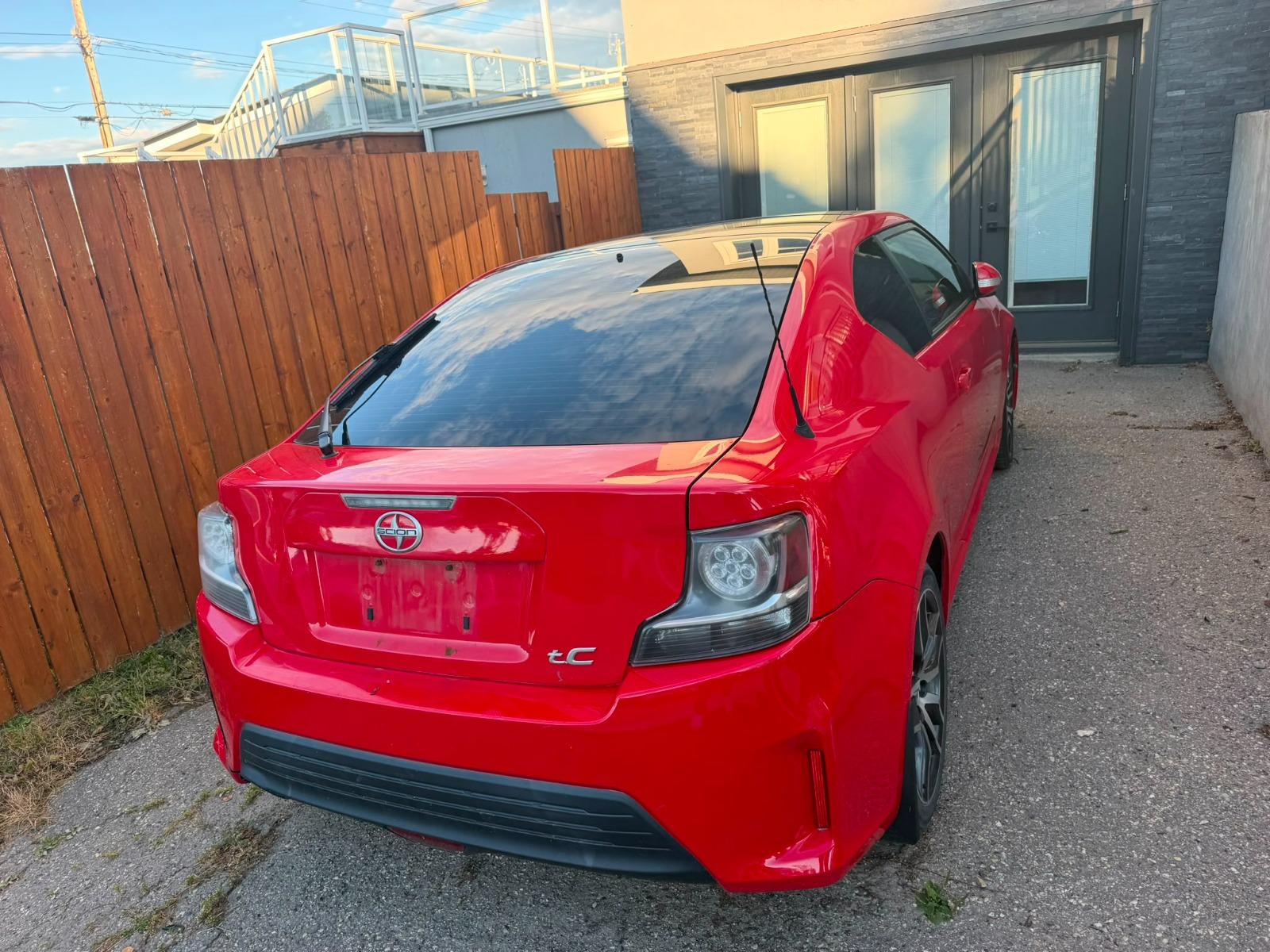
When a roommate moves out, the last thing you might expect is to be left dealing with their unwanted vehicle. Perhaps the car is still parked in your driveway, taking up a shared parking space, or sitting outside your rental property without a clear plan for removal.
The situation can become frustrating when you need the space, your landlord is asking questions, or the former roommate is difficult to contact. However, it is important to handle the vehicle carefully rather than assuming that leaving it behind makes it yours.
For Calgary residents, the right approach depends on who owns the car, the parking arrangement, and whether the former roommate intends to return for it. Here is how to manage the situation, protect yourself from unnecessary problems, and determine what should happen next.
1. Confirm Who Owns the Vehicle
Before taking any action, establish who legally owns the car. A vehicle being left at your property does not automatically mean you have the right to sell it, move it, or arrange its disposal.
If the former roommate is listed as the registered owner, they generally remain responsible for decisions concerning the vehicle. Even if they have moved away or stopped responding to messages, you should not assume that ownership has transferred to you.
Start by reviewing any relevant rental agreements, written messages, or arrangements you made before the move. If you have the former roommate's contact information, ask them directly whether they intend to collect the vehicle.
Keep copies of your communications so you have a record of your attempts to resolve the matter.
If ownership is disputed or the former roommate cannot be reached, seek guidance from the appropriate Alberta authorities or a legal professional before authorising a sale or disposal.
2. Contact Your Former Roommate in Writing
Once you have confirmed that the car belongs to your former roommate, contact them and request a clear plan for collecting it.
A phone call may be useful, but written communication is especially helpful because it creates a record of what was discussed. Send a polite message explaining that the vehicle remains at the property and that you need to know when it will be removed.
Include practical details such as:
-
Where the vehicle is parked.
-
Whether it is blocking access or occupying a shared parking space.
-
Whether you have received any complaints or notices from the landlord.
-
When you need a response or collection arrangement.
Avoid making threats or promising to sell the car if the former roommate does not reply. Instead, explain that you will seek appropriate guidance if the situation remains unresolved.
If the person responds, agree on a reasonable collection date and keep a copy of the arrangement. If they do not respond, move to the next steps without taking unauthorised action.
3. Speak With Your Landlord or Property Manager
If you live in a rental property, inform your landlord or property manager about the abandoned vehicle. This is particularly important if the car occupies a designated parking space or violates the property's parking rules.
Explain that the vehicle belongs to a former roommate and that you are attempting to contact its owner.
Your landlord may be able to clarify the parking agreement, explain the property's procedures, or advise you about the appropriate steps to follow. However, do not assume that the landlord can immediately dispose of the vehicle without following applicable requirements.
If you share a driveway or parking area with other tenants, make sure everyone understands the situation. Clear communication can prevent disagreements while you work toward a solution.
4. Determine Whether the Car Is Still Usable
While arranging the next steps, observe the vehicle's condition without attempting to use it.
An old car left outside for weeks or months may develop a flat battery, lose tire pressure, or show signs of deterioration. In Calgary, changing temperatures, snow, moisture, and road salt can also affect a vehicle that remains exposed to the elements.
Look for visible issues such as flat tires, broken windows, leaking fluids, or obvious accident damage. If you notice a potential safety or environmental problem, inform the property manager and seek appropriate assistance.
Do not attempt repairs, start the vehicle, or move it without the owner's permission unless an appropriate legal authority directs otherwise.
Understanding the condition can help you explain the situation to the owner and determine what collection arrangements may be necessary.
5. Understand Your Options if the Owner Cannot Be Reached
Sometimes, a former roommate stops responding, changes their phone number, or moves somewhere you cannot easily contact them.
In that situation, avoid assuming that the vehicle is abandoned in the legal sense simply because nobody has collected it.
Document your attempts to contact the owner, keep relevant rental agreements and messages, and ask your landlord or the appropriate Alberta authority about the lawful process for dealing with an unclaimed vehicle.
Depending on the circumstances, additional procedures may be required before the vehicle can be moved, sold, or disposed of. The requirements can differ depending on whether it is on private property, public property, or a roadway.
Taking these steps may feel slower than simply arranging a tow, but it can help prevent disputes over ownership, removal costs, or alleged damage to someone else's property.
6. Explore Professional Vehicle Removal Once You Have Authority
If the owner agrees to remove the car, or you have obtained the necessary legal authority to arrange its removal, a professional vehicle removal company may be a practical option.
This is particularly useful when the vehicle is no longer running, has significant damage, or cannot be driven safely.
For Calgary residents, Cash for Cars Calgary is an option for exploring the sale of unwanted vehicles. YYC Cash for Cars advertises vehicle purchases, free towing for eligible completed purchases, and removal services for cars in various conditions.
If the vehicle is old or no longer roadworthy, you can also explore junk car removal services in Calgary.
Before booking a pickup, explain that the vehicle was left behind by a former roommate. Ask what proof of ownership or legal authority is required. A removal company cannot necessarily purchase or dispose of a vehicle merely because it is parked at your property.
Confirm any applicable charges, towing arrangements, and paperwork requirements before proceeding.
7. Keep Records and Protect Yourself From Unnecessary Costs
An unwanted vehicle can create practical and financial complications if the situation continues for too long.
Keep copies of your messages to the former roommate, communications with your landlord, photographs showing where the vehicle is parked, and any notices relating to the property.
If you receive a parking notice or a demand to clear the space, respond promptly and explain the steps you have taken. Do not ignore official correspondence simply because the vehicle belongs to someone else.
You should also avoid paying for repairs, storage, or towing without understanding who is responsible for those expenses and whether you have the authority to approve the work.
If the matter becomes disputed, seek advice before agreeing to costs or signing documents that could make you responsible for the vehicle.
8. Prevent Similar Problems With Future Roommate Arrangements
Although you cannot always predict how a living arrangement will end, a few simple precautions can reduce the risk of similar problems.
When sharing a rental property, make sure parking arrangements are clear. If a roommate has a vehicle, establish expectations about what happens when they move out, including how much notice they should provide and when personal belongings must be collected.
Keep written copies of relevant agreements and ensure each person understands their responsibilities under the lease.
Before someone leaves, confirm that they have removed their vehicle, returned their keys, and completed any agreed move-out requirements.
Clear expectations can make shared living arrangements easier to manage and reduce the chance of being left with an unwanted vehicle after someone moves away.
Final Thoughts
A car left behind after a roommate moves out can create an inconvenient situation, especially when it occupies valuable parking space or the owner is difficult to contact. However, the safest approach is to establish ownership, contact the former roommate in writing, inform your landlord if necessary, and understand the appropriate legal process.
If the owner agrees to the removal or you obtain the required authority, a professional vehicle removal service may help resolve the problem efficiently.
By documenting your efforts and avoiding unauthorised disposal, you can protect yourself while working toward a practical solution.

 English
 Arabic
 French
 Spanish
 Deutsch
 Turkish
 Dutch
 Italiano
 Russian
 Romaian
 Portuguese (Brazil)
 Greek