


How a Popup Display Stand Improves Exhibition Spaces
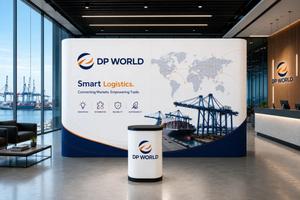
A well-organized exhibition space helps visitors understand what a business offers without needing a long explanation. From product demonstrations to information sharing, the way a display is arranged can affect how people interact with it. A popup display stand provides a practical way to present graphics, messages, photographs, and product information in a clear and organized format. Its portable structure makes it useful for trade shows, conferences, retail promotions, school events, and other indoor gatherings where displays need to be installed and removed easily.
Choosing a suitable display involves more than selecting an attractive design. Factors such as available floor space, lighting, printed content, transportation, and setup time all influence the final result. Understanding these details can help businesses, event organizers, and exhibitors create displays that serve their purpose without making the space look crowded.
1. Understanding a Popup Display Stand
A popup display stand is a portable exhibition structure designed to support printed graphics or fabric panels. Many models use a collapsible frame that opens into position, allowing the display to be assembled without building a permanent structure. Depending on the design, the frame may support a straight or curved backdrop, a series of connected panels, or a larger exhibition wall.
These displays are commonly used behind reception counters, beside product demonstration areas, and at the back of exhibition booths. Their main purpose is to provide a visible background for information, images, and visual messages.
Common Types of Popup Displays
Several styles are available, and each has different practical uses.
-
Straight displays: These provide a flat background and work well against walls or along the back of a booth.
-
Curved displays: Their curved shape creates a different visual appearance and can help define a presentation area.
-
Fabric displays: These use printed fabric stretched over a frame, offering a smooth surface with limited visible joins.
-
Panel displays: These consist of connected sections that form a larger graphic area.
-
Compact displays: Smaller models are useful for reception desks, retail counters, and spaces where a full exhibition wall would be unnecessary.
The right option depends on the amount of information being displayed, the available floor area, and how often the structure will be used.
2. Why Portable Displays Are Useful at Events
Exhibitions often require businesses to prepare their spaces within a limited time. Large events may have strict installation schedules, while smaller venues may provide only a short period for setting up tables, signs, and promotional materials. Portable displays help make this process more manageable.
A collapsible frame can usually be packed into a carrying case after an event, making storage and transportation easier than with a permanent display wall. Some systems also allow printed graphics to be replaced when the information or visual design changes.
Benefits for Regular Exhibitors
One important advantage is reusability. When the frame remains in good condition, it may be used at several events instead of requiring a completely new structure each time. This can reduce waste and help control long-term display costs.
Other benefits include:
-
Simple transportation: Many models are designed to fit into carrying cases.
-
Flexible placement: The display can be moved to suit the layout of a booth or room.
-
Clear communication: A large graphic surface makes key information easier to notice.
-
Quick installation: Portable systems generally require less construction than permanent walls.
-
Adaptable presentation: Some designs support interchangeable graphics or accessories.
However, not every display offers the same level of portability. Frame weight, packed dimensions, assembly instructions, and the size of the graphic should all be checked before choosing a model.
3. Choosing the Right Size and Shape
The size of a display should match the location where it will be used. A large backdrop may suit a spacious trade show booth, but it can overwhelm a small meeting room or retail area. Similarly, a compact stand may be convenient to transport but provide too little space for detailed product information.
Before selecting a size, measure the available width and height. Check the venue's rules for display height, fire exits, walkways, and distance from neighboring booths. It is also useful to consider whether people will stand directly in front of the display or view it from across a busy exhibition hall.
Straight or Curved?
A straight display is often a practical choice when the booth has a simple rectangular layout. It can sit behind a table or counter and provide a broad area for headings, photographs, and product details.
A curved structure may suit an open booth where the display needs to create a more defined visual area. Depending on its design, the curve can soften the overall appearance and provide a different background for presentations.
Neither shape is automatically better. A straight system may be easier to position against a wall, while a curved model may require more planning to fit into a narrow space. The best choice is the one that works with the venue layout and the purpose of the display.
4. Designing Graphics That Are Easy to Read
A display can have a strong frame and high-quality printing but still be ineffective if its message is difficult to understand. Visitors at exhibitions often walk past many booths within a short period, so the main message should be easy to identify at a glance.
Start by deciding what visitors should learn first. This might be a product name, a service category, an event topic, or a short statement explaining the purpose of the display. Supporting details can appear underneath, but the most important information should receive the greatest visual attention.
Use a Clear Visual Order
A useful design normally includes a main heading, a relevant image, and a small amount of supporting text. A clear reading order helps people understand the message without searching through several unrelated elements.
For example, a company displaying water filtration equipment could use a heading about clean drinking water, followed by a photograph of the equipment and three short points about its main features. A paragraph describing every technical detail would be harder to read from a distance.
Font, Colour, and Spacing
Choose fonts that remain readable from the expected viewing distance. Decorative lettering may work for a short heading, but it is often unsuitable for smaller details. Strong contrast between text and background also improves readability.
Colours should support the message rather than compete with it. Too many bright shades, overlapping images, and decorative elements can make the display feel crowded. Leaving some empty space around headings and images allows each element to stand out.
It is also important to check the final artwork at its actual print dimensions. Text that appears readable on a computer screen may become too small when printed across a large panel.
5. Selecting Materials and Printing Methods
The materials used in an exhibition display influence its appearance, weight, durability, and maintenance requirements. Fabric and printed panel systems are common choices, but their suitability depends on the environment and intended use.
Fabric Graphics
Fabric displays use printed textile material fitted over a frame. The surface can create a continuous appearance, particularly when the graphic is produced to cover the structure. Fabric is generally lightweight and can be convenient for transportation.
Before choosing a fabric system, check how the material should be cleaned, whether it can be folded for storage, and how it responds to repeated use. Some fabrics may develop creases, so the manufacturer's care instructions should be followed.
Printed Panel Graphics
Panel-based displays use printed sections attached to a supporting frame. Depending on the system, these panels may offer a firm surface and can be suitable for graphics containing photographs, headings, or diagrams.
The connection points between panels should be checked because poorly aligned sections can interrupt images or text. Replacement costs should also be considered if one panel becomes damaged.
Choosing Suitable Printing
High-resolution artwork is important when photographs and small details are used. Colours should be checked before full production, especially when accurate product colours are necessary. If the display includes a website address, QR code, or contact details, these elements should be tested before printing.
For instance, an event organizer could print a large schedule with clear time slots and room names. The same information would be less useful if the type were too small or the background made it difficult to read.
6. Practical Uses Across Different Industries
A portable display can support different activities depending on the audience and the information being presented. The same basic structure may be used in several settings, although the graphics and layout should change to suit each occasion.
Trade Shows and Business Exhibitions
Businesses often use exhibition displays to introduce their services, explain product features, and create a recognizable booth area. A display positioned behind a demonstration table can provide context while leaving the front of the booth available for conversations and product samples.
Retail Stores and Shopping Centres
Retailers may use smaller displays to introduce seasonal products, explain special collections, or provide information about an in-store activity. The display should be positioned where it does not block customer movement or hide important signs.
Conferences and Educational Events
At conferences, displays can identify registration areas, meeting rooms, speaker sessions, and information points. Schools and universities may use them to present student projects, research findings, or course information.
Product Launches and Demonstrations
During a product launch, a display can show the product name, a clear image, and a few important features. It can also provide background information while a presenter demonstrates how the product works.
For example, a technology company introducing a new device could use the main graphic to show the product, while a nearby table holds the working sample. This arrangement separates the general message from the detailed demonstration.
7. Planning the Display for a Small or Large Booth
The layout around a display affects how visitors approach it. Even a well-designed graphic may be difficult to use if it is blocked by furniture, placed behind equipment, or surrounded by too many signs.
In a small booth, place the display where it can be seen without narrowing the entrance. A compact counter and a single clear backdrop may be enough for a simple information point. In a larger booth, several zones can be created for greeting visitors, demonstrating products, and discussing details.
When comparing different pop up stands, consider the complete setup rather than the frame alone. Check whether the display needs a table, lighting, shelves, or a separate sign. These additional items affect the amount of floor space required.
A simple floor plan can help prevent problems during installation. Mark the display dimensions, furniture positions, electrical outlets, and walking routes before the event. If the venue supplies an exhibitor handbook, review its installation and safety requirements in advance.
8. Setup, Storage, and Maintenance
Correct handling helps extend the useful life of a portable display. Although many frames are designed for repeated assembly, forcing a joint or pulling a graphic too tightly can damage the structure.
Follow the manufacturer's setup instructions and use the correct connections. If a frame does not open smoothly, check for an obstruction rather than applying excessive force. When possible, have a second person assist with larger displays to reduce the risk of tipping or accidental damage.
After an event, remove dust and marks according to the material's care instructions. Fabric graphics should be cleaned using the recommended method, while rigid panels may need a soft cloth and a suitable cleaner. Avoid harsh chemicals unless the manufacturer confirms that they are safe for the printed surface.
Allow any cleaned material to dry completely before packing it away. Store the frame and graphics in their designated cases, keeping heavy objects away from delicate printed surfaces. A dry storage area can help prevent moisture-related damage.
Before the next event, inspect the frame, connectors, printed graphics, and carrying case. Check that the display is stable and that the graphics are correctly aligned. Replacing a damaged connector or correcting a loose panel before arriving at the venue can prevent unnecessary delays.
9. What to Check Before Buying a Display
Selecting a display requires balancing appearance, portability, durability, and cost. The lowest initial price may not represent the best long-term value if the structure is difficult to assemble or replacement graphics are expensive.
A few practical questions can help narrow the options:
-
What are the exact width and height of the display?
-
How much does the packed system weigh?
-
Can one person assemble it safely?
-
Are replacement graphics available separately?
-
Does the carrying case protect the frame and printed material?
-
Are setup instructions and care guidance provided?
-
Will the display fit the transport vehicle and available storage area?
-
Does the final graphic meet the venue's requirements?
It is also useful to compare the complete package rather than looking only at the frame price. Printing, carrying cases, replacement parts, delivery, and optional accessories may affect the overall cost.
When researching suppliers, event planners may come across Pop Up Stands Dubai while comparing display formats and available options. Regardless of the supplier, reviewing specifications, material details, and replacement policies helps ensure that the selected system meets the actual requirements.
Conclusion: Making a Practical Display Choice
A popup display stand can make exhibition spaces more organized by providing a clear area for graphics, product information, and event messages. Its portability, reusable structure, and range of sizes make it suitable for business exhibitions, retail promotions, conferences, and educational events.
The most effective choice depends on the space, the audience, and the information that needs to be shared. Careful planning of the dimensions, graphic design, materials, and setup process can improve both appearance and usability. With proper storage and regular maintenance, a suitable display can remain useful across many events while helping visitors understand the message quickly and clearly.

 English
 Arabic
 French
 Spanish
 Portuguese
 Deutsch
 Turkish
 Dutch
 Italiano
 Russian
 Romaian
 Portuguese (Brazil)