


Why Add Varanasi to Your Golden Triangle Tour? Delhi, Agra, Jaipur & Ganga Aarti Experience
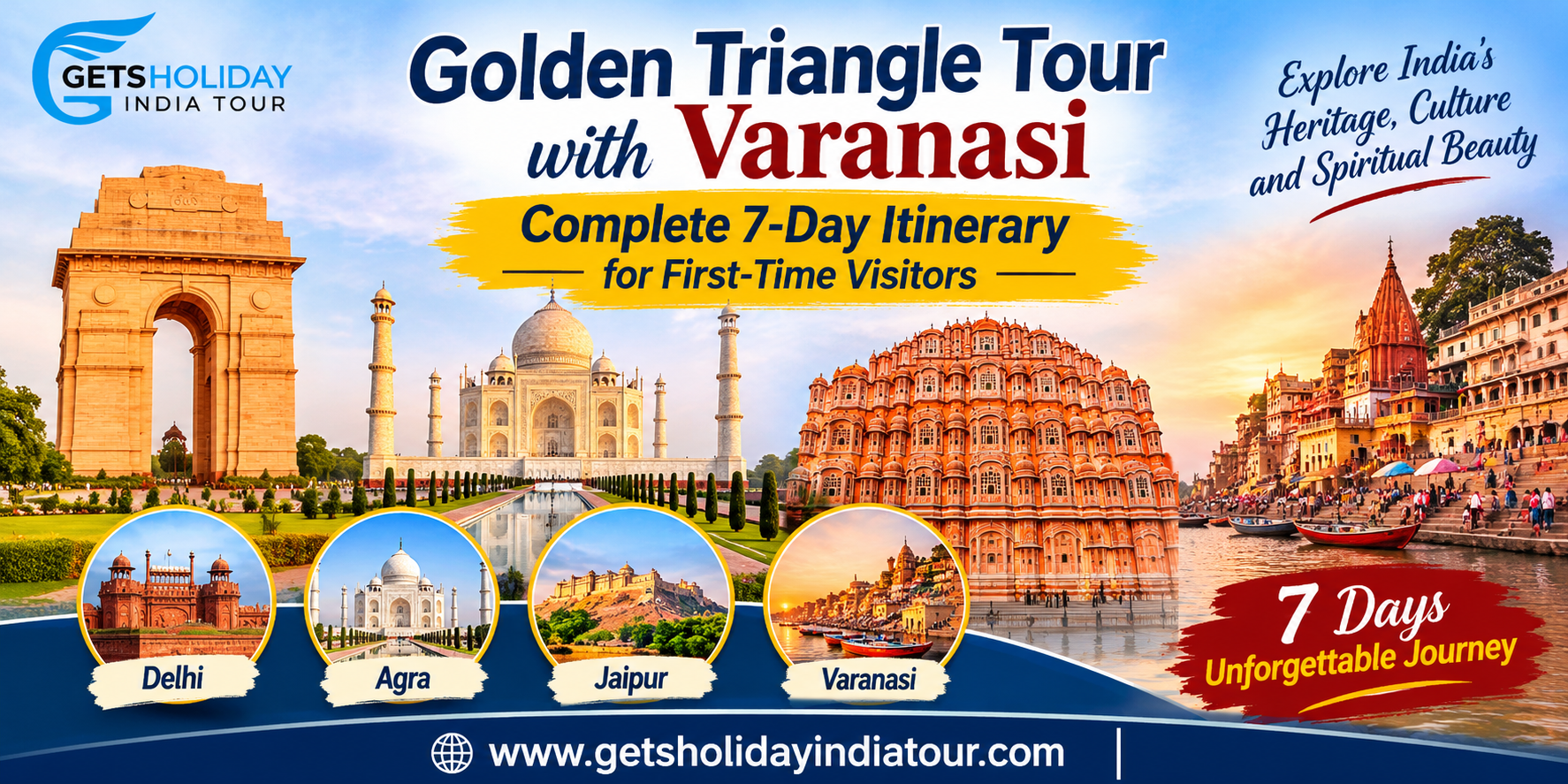
India is a country where history, architecture, culture and spirituality come together to create unforgettable travel experiences. If you are planning your first trip to India, the Golden Triangle is one of the best ways to discover its famous cities. However, adding Varanasi to this popular travel route can make your holiday even more meaningful.
A Golden Triangle Tour with Varanasi takes you beyond the historical attractions of Delhi, Agra and Jaipur. It introduces you to the spiritual traditions of Varanasi, where ancient temples, narrow streets, sacred ghats and the River Ganges form an important part of everyday life.
From exploring Delhi's historic monuments and witnessing the beauty of the Taj Mahal to discovering Jaipur's royal heritage and experiencing the evening Ganga Aarti, this journey offers a diverse introduction to India.
At Gets Holiday India Tour, we help travellers plan private and customised India holidays that combine popular attractions with meaningful local experiences. In this guide, discover why Varanasi deserves a place in your Golden Triangle itinerary, what you can experience in each destination and how to plan your journey.
1. Experience Four Different Sides of India in One Journey
The traditional Golden Triangle connects Delhi, Agra and Jaipur. These three cities are famous for their historical monuments, Mughal architecture, royal palaces and cultural heritage.
Adding Varanasi introduces a completely different experience.
Here is what makes each destination special:
-
Delhi: Discover India's capital through its historic monuments, bustling markets, traditional food and modern attractions.
-
Agra: Explore the Taj Mahal, Agra Fort and the architectural legacy of the Mughal Empire.
-
Jaipur: Experience Rajasthan's royal history through Amber Fort, City Palace, Hawa Mahal and colourful bazaars.
-
Varanasi: Discover the spiritual atmosphere of the Ganges, ancient ghats, temples, boat rides and traditional ceremonies.
Each destination offers a different perspective on Indian culture. Instead of visiting only historical cities, you experience the country's architectural, cultural and spiritual diversity.
2. Discover Delhi's Historical Attractions and Local Culture
Delhi is often the starting point of a Golden Triangle holiday. The city has a fascinating combination of ancient history, Mughal architecture and modern Indian life.
During your Delhi sightseeing tour, you can explore:
-
India Gate: A famous war memorial and one of Delhi's recognisable landmarks.
-
Qutub Minar: A UNESCO World Heritage Site known for its impressive Indo-Islamic architecture.
-
Humayun's Tomb: A beautiful Mughal garden tomb that influenced later Mughal architecture.
-
Jama Masjid: One of India's significant historic mosques.
-
Chandni Chowk: A lively market area known for traditional shops and street food.
Old Delhi is particularly interesting for international visitors who want to experience traditional markets, local flavours and busy city streets.
With a local sightseeing guide, you can understand the historical background of the monuments and discover details that might otherwise go unnoticed.
3. Witness the Taj Mahal and Explore Agra's Mughal Heritage
Agra is one of the highlights of any Golden Triangle India tour. The city is home to the world-famous Taj Mahal, a monument recognised for its white marble architecture and extraordinary history.
A sunrise visit to the Taj Mahal is highly recommended. The soft morning light creates beautiful views of the monument and provides a more peaceful sightseeing experience compared with busier hours.
Other attractions worth exploring include:
-
Agra Fort: A UNESCO World Heritage Site with impressive palaces, courtyards and historic halls.
-
Mehtab Bagh: A garden across the Yamuna River offering beautiful views of the Taj Mahal.
-
Itmad-ud-Daulah: A beautiful Mughal tomb known for its detailed marble inlay work.
You can also explore Agra's local markets for marble handicrafts, leather products and traditional souvenirs.
For travellers interested in Indian history and architecture, Agra provides an important connection between Delhi's Mughal heritage and Jaipur's royal Rajasthan culture.
4. Explore Jaipur's Royal Palaces and Rajasthan Heritage
After Agra, continue towards Jaipur, popularly known as the Pink City. Jaipur offers a completely different atmosphere, with grand forts, traditional architecture, colourful markets and Rajasthan's rich cultural traditions.
Some of the most popular attractions include:
-
Amber Fort: A magnificent hilltop fort featuring courtyards, gateways and historic palace rooms.
-
Hawa Mahal: The iconic Palace of Winds, recognised for its beautiful pink sandstone façade.
-
City Palace: A royal complex displaying Jaipur's architectural heritage and historical collections.
-
Jantar Mantar: A UNESCO World Heritage Site featuring historic astronomical instruments.
You can also explore Johari Bazaar and Bapu Bazaar for traditional jewellery, textiles, handicrafts and souvenirs.
Jaipur adds a royal and cultural dimension to your India holiday before you travel towards the spiritual city of Varanasi.
5. Experience the Spiritual Atmosphere of Varanasi and Ganga Aarti
One of the strongest reasons to add Varanasi to your Golden Triangle itinerary is the opportunity to experience its unique spiritual atmosphere.
Varanasi, also known as Kashi or Banaras, is one of the world's oldest continuously inhabited cities. Located on the banks of the River Ganges, it holds deep religious and cultural significance in Hindu traditions.
The city's ghats, temples, narrow lanes and traditional rituals create an experience very different from Delhi, Agra and Jaipur.
Experience the Evening Ganga Aarti
The Ganga Aarti at Dashashwamedh Ghat is among the most memorable experiences in Varanasi. Every evening, priests perform a traditional river worship ceremony using large lamps, incense and devotional chants.
As the lamps illuminate the riverfront, visitors gather along the ghats and boats to witness the ceremony.
For many travellers, this becomes the most memorable part of their Golden Triangle Tour with Varanasi.
Enjoy an Early Morning Boat Ride
An early-morning boat ride on the Ganges offers another perspective of the city. You can observe the historic ghats, temples and daily activities along the river as the sun rises.
It is an excellent opportunity to understand the relationship between the river and local life.
Visit Kashi Vishwanath Temple
Kashi Vishwanath Temple is one of the most important Hindu pilgrimage sites in India. Dedicated to Lord Shiva, it attracts devotees from across the country.
Visitors should check the current temple entry rules, security arrangements and permitted belongings before visiting.
Explore Sarnath
If your schedule allows, include Sarnath in your Varanasi sightseeing plan. Located approximately 10 kilometres from the city centre, Sarnath is an important Buddhist pilgrimage destination.
It is traditionally associated with Buddha's first sermon after attaining enlightenment. The Dhamek Stupa, archaeological remains and museum make it an interesting visit for travellers interested in Buddhist history.
6. How Many Days Do You Need for the Golden Triangle with Varanasi?
A 7-day itinerary is a practical option for travellers with limited time. However, eight or nine days provide a more comfortable experience.
|
Duration |
Suggested travel route |
|
Day 1 |
Arrival and Delhi sightseeing |
|
Day 2 |
Delhi to Agra |
|
Day 3 |
Agra to Jaipur |
|
Day 4 |
Jaipur sightseeing |
|
Day 5 |
Jaipur to Varanasi via connecting flight |
|
Day 6 |
Varanasi sightseeing and Ganga Aarti |
|
Day 7 |
Morning boat ride and departure |
For a relaxed journey, consider adding one more day to Varanasi or Delhi.
Travel tip: The Jaipur–Varanasi connection should be planned according to available flight or train schedules. A direct flight should not be assumed on every travel date.
7. Best Time to Plan Your Golden Triangle Tour with Varanasi
The best time to visit Delhi, Agra, Jaipur and Varanasi is generally between October and March, when daytime temperatures are more comfortable for sightseeing.
-
October–November: Pleasant weather, festive celebrations and good conditions for exploring monuments.
-
December–January: Popular travel months, although fog and cold mornings can affect visibility and transport schedules.
-
February–March: Comfortable sightseeing weather and a good opportunity to explore all four destinations.
-
April–June: Summer temperatures can be extremely high, particularly in Agra and Jaipur.
-
July–September: Monsoon brings greenery and occasional rainfall, which may affect outdoor sightseeing.
For first-time international visitors, November, February and March are particularly good months to consider.
8. Why Book with Gets Holiday India Tour?
Combining Delhi, Agra, Jaipur and Varanasi requires careful planning, particularly when arranging hotel stays, private road transportation, domestic connections and local sightseeing.
Gets Holiday India Tour specialises in private and customised India tour packages designed around travellers' interests, schedules and budgets.
When planning your Golden Triangle Tour with Varanasi, our team can assist with:
-
Private AC transportation for the Golden Triangle route.
-
Comfortable hotel accommodation in different categories.
-
Experienced local sightseeing guides.
-
Taj Mahal sunrise visit arrangements.
-
Varanasi Ganga Aarti and boat ride experiences.
-
Airport and railway station transfers.
-
Flexible sightseeing and customized itineraries.
-
Travel assistance throughout your journey.
Whether you are travelling as a couple, family or small group, we aim to make your Indian holiday comfortable, well-organised and memorable.
Frequently Asked Questions
1. Is Varanasi worth adding to the Golden Triangle Tour?
Yes. Varanasi adds a spiritual and cultural experience to the historical attractions of Delhi, Agra and Jaipur. The Ganga Aarti, sunrise boat ride and ancient temples make the journey more diverse.
2. How many days are required for the Golden Triangle Tour with Varanasi?
Seven days is a good starting point. However, eight to nine days are recommended for a more relaxed holiday.
3. What is the main attraction of Varanasi?
The evening Ganga Aarti at Dashashwamedh Ghat is one of the city's most popular experiences. Kashi Vishwanath Temple, the historic ghats and sunrise boat rides are also major attractions.
4. Can I travel from Jaipur to Varanasi by flight?
Yes, flights can be arranged depending on available schedules. Connecting flights may be necessary, so check the route before confirming your itinerary.
5. Is this tour suitable for first-time visitors to India?
Absolutely. It introduces travellers to India's historical monuments, royal architecture, local markets, religious traditions and cultural diversity.
6. Can I customise my Golden Triangle and Varanasi tour?
Yes. With Gets Holiday India Tour, you can discuss your preferred hotels, sightseeing stops, travel dates, transportation and tour duration.
Final Thoughts
Adding Varanasi to your Golden Triangle holiday transforms a traditional historical sightseeing trip into a more diverse Indian travel experience.
Delhi introduces you to India's history and capital culture, Agra showcases the beauty of Mughal architecture, and Jaipur offers a glimpse into Rajasthan's royal heritage. Varanasi completes the journey with its sacred ghats, traditional ceremonies and unforgettable Ganga Aarti experience.
If you want to explore India's history, culture and spirituality in one holiday, the Golden Triangle Tour with Varanasi is an excellent choice.
Plan your next Indian holiday with Gets Holiday India Tour and discover four remarkable destinations in one memorable journey.
Plan Your India Tour Today: Contact Gets Holiday India Tour for a customised itinerary and private tour quotation.

 Arabic
 French
 Spanish
 Portuguese
 Deutsch
 Turkish
 Dutch
 Italiano
 Russian
 Romaian
 Portuguese (Brazil)
 Greek