


What Makes an Oversized T-Shirt Different From a Baggy T-Shirt?
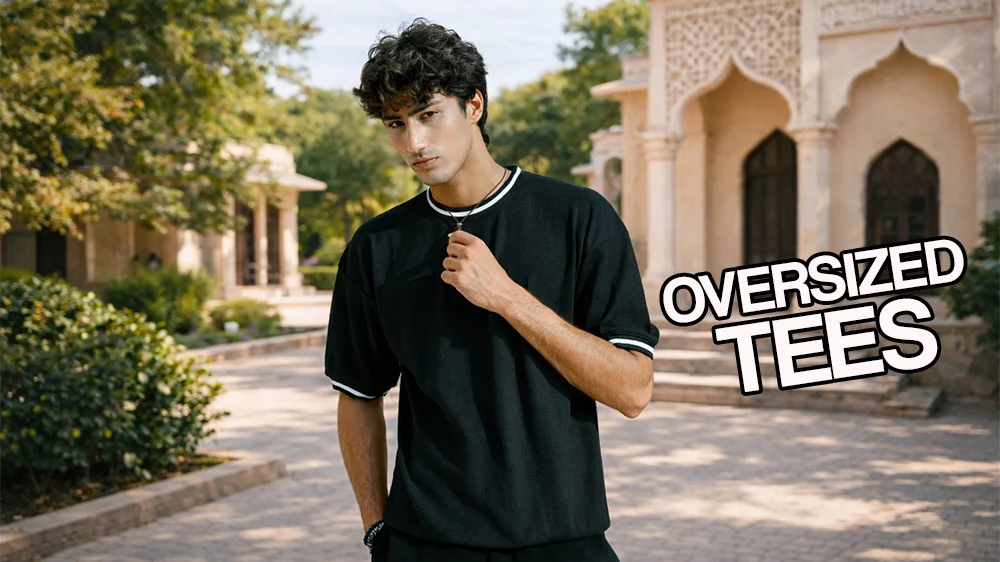
Browse any online store and you will see the words oversized and baggy used as if they mean the same thing. Product titles mix them, sellers swap them and shoppers often assume that any loose shirt qualifies as either. It is an understandable mix-up, since both describe clothing that does not cling to the body. But the two terms point to different ideas about shape, intention and design, and knowing the difference helps you buy exactly what you picture.
The distinction is subtle rather than dramatic, and it is mostly about how the looseness was created. In this guide, we’ll explain what each term really means, how they compare in cut, shoulders, length and styling, and how to decide which one suits your wardrobe and your climate. If you’re also browsing oversized shirts Pakistan shoppers search for, learning to read these labels will help you avoid ordering the wrong shape.
Why the Terms Get Confused
Part of the confusion comes from how people talk about clothes. In everyday speech, baggy simply means loose, and oversized means bigger than normal. A shirt can be both at once, so the words overlap in many real situations. Brands add to the blur by using whichever term sounds better in a product title.
Another reason is that there is no official standard. Different brands measure and label their cuts differently, so one company’s oversized tee may be another’s baggy tee. That is why the labels alone are never enough, and why understanding the underlying idea matters more than memorizing definitions.
What Is a Baggy T-Shirt?
A baggy t-shirt is a general term for any shirt that fits loosely. The word describes the result, not the design. It might be a regular tee in a larger size, a shirt that has stretched with wear or a deliberately roomy cut. What defines it is simply that there is plenty of extra fabric hanging around the body.
Because the term is so broad, baggy shirts vary a great deal. Some hang neatly and look relaxed, while others look shapeless, with shoulder seams in awkward places and sleeves that flop. The word says nothing about whether the looseness was planned, which is why it covers everything from a stylish boxy tee to an old shirt that has simply lost its shape.
What Is an Oversized T-Shirt?
An oversized t-shirt is a deliberately designed cut. Instead of simply scaling up a regular pattern, the maker reshapes the whole garment so the larger size looks intentional. The shoulder seam is dropped a few centimeters below the natural shoulder line, the sleeves are wider and longer, the body is boxier and the hem falls around the hip or lower.
The key idea is proportion. Everything is scaled up together, so the shirt looks balanced even though it is big. A well-made oversized tee looks relaxed and structured at the same time, which is why it has become a staple of modern streetwear. For a closer comparison of how this cut differs from a regular one, this guide to oversized vs regular fit breaks down fit, fabric and comfort.
The Core Difference: Intention
If you had to sum up the distinction in one word, it would be intention. An oversized tee is designed to be big, with a pattern built specifically for that shape. A baggy tee is simply loose, and the looseness may or may not have been planned.
This is why two shirts can have the same chest measurement and look completely different. The oversized one hangs from a carefully placed shoulder seam and falls in a clean, boxy line. The merely baggy one may have a standard shoulder seam with a body that balloons below it, so the proportions look slightly off.
Shoulders and Seams
The shoulder seam is the clearest place to see the difference. On an oversized tee, the seam sits two to five centimeters below your natural shoulder point, and the sleeve starts further down the upper arm. This is the drop shoulder, and it is what gives the shirt its signature relaxed outline.
On a typically baggy tee, the seam often stays at the regular position, or it drifts down randomly because the shirt is simply too large. If a seam sits at the edge of your shoulder while the body and sleeves hang loose, the shirt is probably a regular tee in a bigger size. If it hangs near the elbow, the shirt is too big for you even by oversized standards.
Sleeves and Length
Sleeves and length also tell the story. Oversized tees usually have wider sleeves ending between mid-bicep and just above the elbow, and a hem that lands around the hip. These measurements are planned, so the shirt looks balanced from the shoulders down.
Baggy shirts are less predictable. The sleeves may balloon without shape or end at awkward points, and the hem may fall too short or too long depending on the original pattern. When you check a size chart, look at the length and sleeve measurements as well as the chest width, since these reveal whether the shirt was designed for its size or just enlarged.
Fabric Plays a Bigger Role Than You Think
Fabric affects how both types look. An oversized tee relies on its cloth to hold the boxy shape, so heavier cotton in the 200 to 240 GSM range tends to drape cleanly and keep the outline. Lighter cotton around 180 to 200 GSM works for peak summer if the knit is tight.
A baggy shirt in thin fabric usually looks sloppy, because there is nothing to support the volume. It clings, bunches and wrinkles, which is a big reason people think loose clothing looks messy. The same size in better cloth often looks completely different. For a closer look at how fabric weight changes the result, this guide to dri-fit t-shirts explains how performance and cotton fabrics compare in daily wear.
How They Look on the Body
On the body, an oversized tee looks structured. The dropped shoulders create a wide, flat line across the top, the body falls straight and the sleeves hang cleanly. The overall impression is relaxed but intentional, as though the looseness is part of the style.
A generic baggy tee tends to look softer and less defined. It may hang unevenly, twist around the body or look as though it belongs to someone else. This is not always a bad thing, and many people enjoy the comfortable, lived-in feel of an old baggy shirt, but it does not read as a deliberate fashion choice in the same way.
Comfort and Climate
Both shapes are comfortable, and both work well in Pakistan’s heat, since the loose fit lets air circulate. An oversized tee offers the most airflow, with its wide body and roomy sleeves keeping fabric away from the skin. A baggy tee provides similar benefits, although the unplanned shape can sometimes feel awkward when you move.
In hot, humid weather, fabric matters more than the label. Pure cotton, especially combed or ring-spun, breathes and absorbs sweat better than polyester-heavy blends, whichever shape you choose. Avoid sizing up too far in either case, since extra fabric adds warmth.
Styling Each One
Oversized tees are easier to style because the shape is predictable. Pair one with straight jeans, tapered cargos or fitted shorts, add a half-tuck at the front to show your waistline and finish with clean sneakers. The dropped shoulders and boxy body give outfits a clear streetwear foundation.
Baggy tees need a little more care. Because the proportions can be uneven, a half-tuck, a belt or a layered jacket helps give the outfit shape. Balance the volume with bottoms that add structure, and keep the colors calm. For ready-made combinations that show how to style a loose tee, these streetwear outfit ideas are easy to adapt.
Which One Should You Buy?
If you want a modern, deliberate look, choose a true oversized tee. It offers the cleanest silhouette, works with the widest range of outfits and holds its shape through repeated washing when the fabric is good. It suits streetwear, layering and graphic designs especially well.
Choose a baggy tee if you simply want a comfortable, easy shirt for home, travel or casual days and are not concerned about a precise silhouette. It can also be a good budget option, as long as you check the fabric. Many people own both, with oversized tees for outfits and baggy ones for relaxing.
How to Tell Which One You Are Looking At
When you shop, a few checks reveal the cut. Read the size chart for shoulder width, chest width, length and sleeve length, and compare them with a shirt you already own. Study the photos from the side and back, and see where the shoulder seam sits. Look for words like drop shoulder, boxy fit and relaxed oversized in the description.
Read reviews for comments about fit, such as whether the shirt runs large or looks shapeless, and ask the seller if anything is unclear. If the shoulder seam sits at the edge of the shoulder and the body balloons below it, you are probably looking at a baggy regular tee rather than a true oversized one.
Common Mistakes to Avoid
The most common mistake is trusting the label. One brand’s oversized may be another’s baggy, so rely on measurements. Another is buying a regular tee in a much larger size and expecting a true oversized look, since the shoulder seam and sleeves will not match. Choosing thin fabric, sizing up too far, ignoring the collar and pairing a loose tee with equally loose bottoms and no structure are other usual traps.
Caring for Both Types
Good care keeps either shape looking its best. Wash tees inside out in cold water to protect prints and colors, and avoid hot dryers that shrink cotton and loosen collars. Air dry in the shade because harsh sun fades fabric, and fold your tees instead of hanging them, since hangers can stretch shoulder seams and leave bumps.
Final Thoughts
An oversized t-shirt is different from a baggy one mainly in intention. Oversized means designed to be big, with a dropped shoulder seam, wider sleeves, a boxy body and balanced proportions. Baggy simply means loose, whether planned or not, and the result can range from stylish to shapeless.
Check the shoulder seam, sleeve length and hem, choose fabric with enough weight to hold the shape and compare measurements instead of trusting labels. Once you know what to look for, you can pick the shape that suits your style and avoid being surprised when the parcel arrives.

 Arabic
 French
 Spanish
 Portuguese
 Deutsch
 Turkish
 Dutch
 Italiano
 Russian
 Romaian
 Portuguese (Brazil)
 Greek