


How to Design Eye-Catching Beverage Expo Exhibits That Attract More Visitors
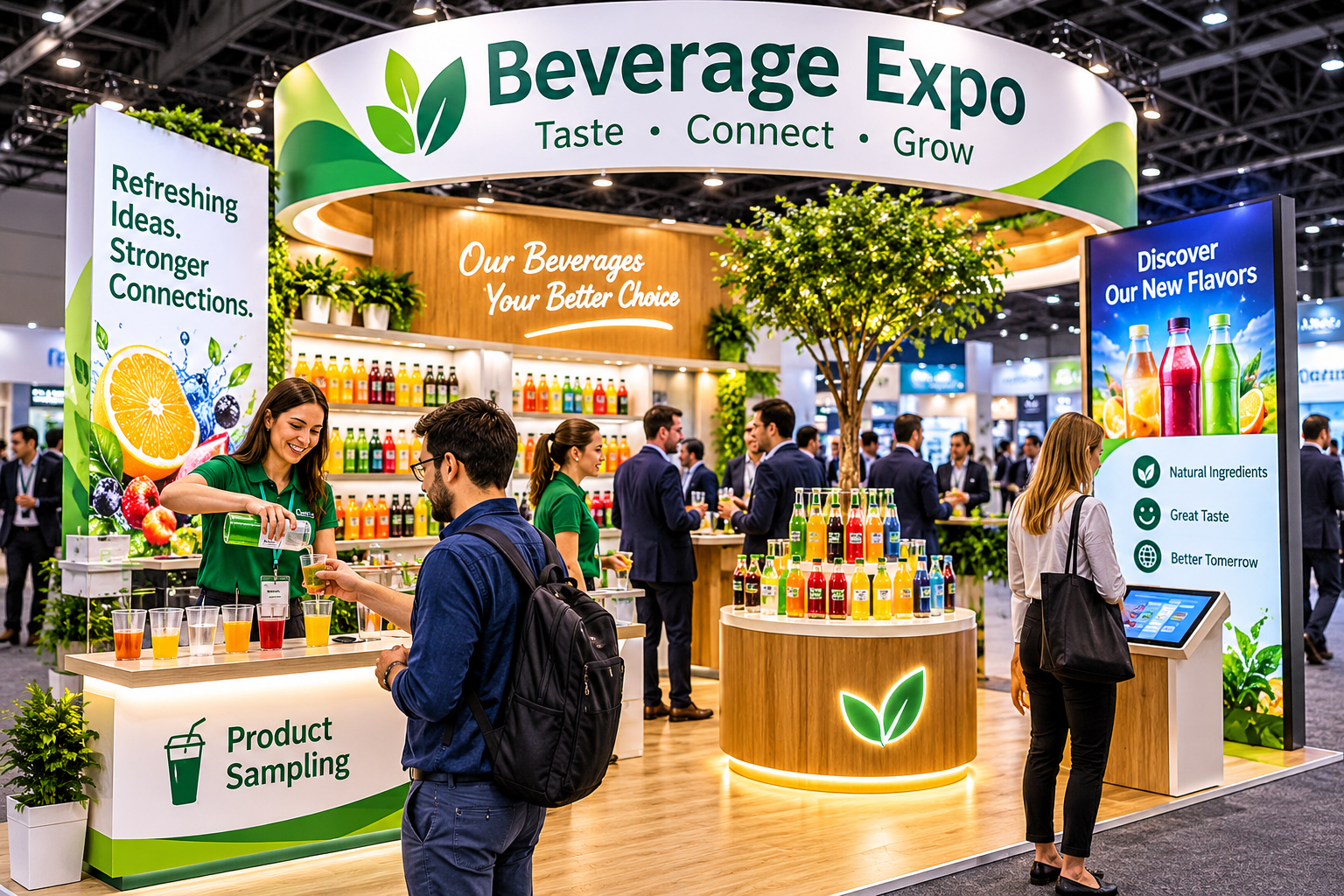
Trade shows and beverage exhibitions provide valuable opportunities for beverage companies to showcase their products, connect with potential buyers, and strengthen brand recognition. However, with numerous brands competing for visitors' attention, creating an attractive and engaging exhibition space is essential. Well-planned Beverage expo exhibits can help beverage businesses communicate their identity, demonstrate product quality, and encourage meaningful interactions with attendees. From creative booth layouts and attractive product displays to interactive sampling stations, every design element contributes to the overall exhibition experience. A strategically designed booth does more than display products; it creates an environment where visitors can discover the brand, understand its offerings, and develop an interest in its products.
1. Understand Your Brand Before Designing Your Exhibit
The first step in designing an eye-catching beverage exhibition booth is understanding your brand identity. Every beverage company has a unique personality, target audience, and product positioning. Your exhibition booth should communicate these elements clearly.
For example, a premium organic juice brand may prefer a natural design with wooden textures, green accents, and fresh fruit displays. In comparison, an energy drink company might choose bold colors, dynamic graphics, and modern lighting to communicate energy and excitement.
Before starting the design process, identify:
-
Your brand's primary message.
-
Your target audience.
-
Your most important products.
-
Your brand colors and visual identity.
-
The experience you want visitors to remember.
A clear brand direction helps designers create a consistent exhibition environment that connects with visitors.
2. Create a Visually Attractive Booth Layout
Your booth layout directly influences how visitors interact with your products and brand representatives. A confusing or overcrowded layout can discourage attendees from entering, while an organized space encourages exploration.
Consider an open layout that allows visitors to approach your booth from multiple directions. Avoid placing large display structures near the entrance because they can block visibility and restrict movement.
Important layout considerations include:
-
Clearly defined product display areas.
-
Comfortable visitor movement.
-
Accessible product sampling stations.
-
Dedicated consultation spaces.
-
Visible branding elements.
-
Storage areas for promotional materials.
An effective layout should balance visual appeal with practical functionality. Visitors should be able to understand the booth's purpose without needing extensive explanations.
3. Use Bold Branding and Creative Graphics
Branding is one of the most important elements of an exhibition booth. Your company name, logo, product images, and promotional messages should be visible from a distance.
High-quality graphics help communicate your brand's identity and make your booth recognizable in a crowded exhibition hall.
Consider incorporating:
Large-format graphics: Use high-resolution images of your beverages, ingredients, and packaging to attract attention.
Brand-focused messaging: Include short and memorable statements that explain what makes your products different.
Consistent colors: Maintain your brand's color palette throughout the booth.
Creative backgrounds: Use visually interesting backdrops to create attractive product presentation areas.
Digital graphics: Incorporate digital screens to display product information, promotional videos, and brand stories.
Avoid overcrowding the booth with excessive text. A few strong visual messages are usually more effective than several paragraphs of promotional content.
4. Design Interactive Product Sampling Stations
Product sampling is particularly valuable for beverage companies because taste can strongly influence purchasing decisions.
Visitors often want to experience a beverage before considering a business relationship or making a purchase. A dedicated sampling station allows exhibitors to demonstrate product quality directly.
To make sampling more engaging:
-
Create an organized tasting counter.
-
Display beverages in attractive serving containers.
-
Provide information about ingredients and flavors.
-
Offer different product variations.
-
Train staff to explain product benefits.
-
Maintain proper hygiene and food-handling practices.
You can also organize guided tasting sessions where representatives explain flavor profiles, production methods, and product characteristics.
Interactive sampling transforms the booth from a traditional product display into an engaging brand experience.
5. Incorporate Modern Lighting Techniques
Lighting can dramatically improve the appearance of an exhibition booth. It highlights important products, creates visual depth, and helps establish the desired atmosphere.
Different lighting techniques serve different purposes.
Spotlighting: Direct attention toward specific products or display counters.
LED lighting: Add modern visual effects while highlighting booth structures.
Backlit graphics: Make brand logos and promotional messages more visible.
Accent lighting: Highlight product packaging, shelves, and decorative elements.
Ambient lighting: Create a welcoming atmosphere throughout the exhibition space.
For example, a premium beverage brand may use warm lighting to create an elegant environment, while a sports drink company may choose brighter lighting to communicate freshness and energy.
The key is to use lighting strategically rather than adding decorative fixtures without a clear purpose.
6. Showcase Products Through Creative Displays
Product presentation plays a major role in attracting visitors. Instead of placing beverage bottles or cans randomly on tables, develop organized displays that make products easy to explore.
Consider these creative product presentation ideas:
-
Tiered shelving for different beverage varieties.
-
Transparent display cabinets for premium packaging.
-
Refrigerated counters for chilled beverages.
-
Themed product sections based on flavor categories.
-
Dedicated displays for new product launches.
-
Ingredient-focused arrangements featuring natural materials.
Product displays should make it easy for visitors to compare different offerings.
For beverage companies launching new products, creating a dedicated launch area can help generate additional attention and encourage conversations with potential buyers.
7. Add Digital Screens and Interactive Technology
Technology can make exhibition booths more informative and engaging. Digital displays provide opportunities to communicate product information without depending entirely on printed materials.
Some useful technology integrations include:
Interactive touchscreens: Allow visitors to explore product categories, ingredients, and company information.
Digital product catalogs: Help buyers understand the complete product range.
Promotional videos: Show manufacturing processes, product development, and brand stories.
QR codes: Provide quick access to websites, catalogs, and contact information.
Digital presentations: Help sales representatives explain product features to potential distributors and retailers.
Technology should support the visitor experience rather than make the booth unnecessarily complicated.
Choose digital tools that are easy to use and directly connected to your exhibition objectives.
8. Create a Comfortable and Welcoming Environment
A successful exhibition booth should encourage visitors to spend time interacting with your brand. Comfort and accessibility are important parts of that experience.
Provide sufficient space for conversations, product demonstrations, and sampling activities.
Consider including:
-
Comfortable seating arrangements.
-
Clean and organized counters.
-
Accessible product information.
-
Proper ventilation where appropriate.
-
Convenient storage facilities.
-
Clearly defined meeting spaces.
If your company expects to meet distributors, wholesalers, or retail buyers, consider creating a semi-private discussion area.
A welcoming environment helps sales representatives communicate effectively and gives visitors a positive impression of your business.
9. Choose the Right Booth Materials
The materials used in booth construction influence its appearance, durability, functionality, and overall cost.
Beverage brands should select materials that complement their identity and exhibition requirements.
Popular options include:
|
Material |
Benefits |
|---|---|
|
Wood |
Creates a natural and premium appearance |
|
Aluminum |
Lightweight, durable, and reusable |
|
Acrylic |
Provides a modern and clean finish |
|
Fabric graphics |
Supports flexible branding and easy transportation |
|
Glass |
Creates an elegant product presentation |
|
Sustainable materials |
Supports environmentally conscious exhibition design |
The right material selection depends on your booth size, design complexity, transportation requirements, and budget.
Reusable modular materials can be particularly useful for companies participating in multiple exhibitions throughout the year.
10. Focus on Sustainable Exhibition Design
Sustainability is becoming an important consideration for businesses participating in trade shows. Beverage companies can demonstrate environmental responsibility through thoughtful booth construction and material selection.
Some practical sustainable design ideas include:
-
Using recyclable construction materials.
-
Choosing reusable booth components.
-
Reducing single-use promotional materials.
-
Incorporating energy-efficient LED lighting.
-
Using digital brochures instead of excessive printed materials.
-
Selecting locally sourced materials when practical.
Sustainable booth design can also support brand storytelling. For example, a beverage company that focuses on organic ingredients or environmentally responsible packaging can reflect those values through its exhibition environment.
The objective is to create a visually appealing booth while reducing unnecessary material consumption.
11. Make Your Booth Space Functional and Organized
An attractive booth is important, but functionality should never be overlooked.
Beverage exhibitions often involve product samples, refrigeration equipment, promotional materials, packaging displays, and sales conversations. Without proper planning, these elements can create unnecessary clutter.
A functional booth should include separate areas for:
-
Product presentation.
-
Beverage sampling.
-
Visitor interaction.
-
Business meetings.
-
Promotional activities.
-
Storage and staff operations.
Keeping these activities organized helps staff work efficiently while maintaining a professional appearance.
It is also important to consider electrical connections, equipment placement, cleaning requirements, and venue regulations during the planning stage.
12. Use Creative Themes to Attract Attention
A creative exhibition theme can make your booth more memorable. Rather than using a generic display, develop a concept that communicates your beverage brand's personality.
Here are some theme ideas:
Fresh and Natural Theme: Use greenery, natural textures, and fruit-inspired decorations for organic juices and health-focused beverages.
Premium Beverage Lounge: Create an elegant environment with sophisticated lighting and refined product displays.
Tropical Experience: Incorporate vibrant colors, tropical graphics, and fruit-inspired decorative elements.
Modern Innovation Theme: Use digital screens, minimalist structures, and contemporary materials to highlight innovative beverage products.
Sustainability Theme: Feature reusable materials, environmental messaging, and nature-inspired design elements.
A strong theme creates a consistent visual experience and gives visitors something interesting to remember.
13. Train Your Booth Staff for Better Engagement
Even the most attractive exhibition booth cannot achieve its full potential without knowledgeable and approachable staff.
Your representatives are responsible for welcoming visitors, explaining products, conducting demonstrations, and identifying potential business opportunities.
Before the exhibition, provide staff with training on:
-
Product ingredients and specifications.
-
Brand history and positioning.
-
Pricing and distribution information.
-
Product advantages and unique selling points.
-
Common customer questions.
-
Lead collection procedures.
Encourage staff members to approach visitors naturally rather than using aggressive sales techniques.
A friendly greeting, a clear product explanation, and a well-organized sampling experience can make a significant difference.
14. Plan Your Booth Around Your Target Audience
Different beverage businesses attract different types of exhibition visitors. Your booth design should reflect the needs and expectations of your target audience.
For example:
-
Beverage manufacturers may focus on production capabilities and product innovation.
-
Organic drink brands may highlight natural ingredients and sustainability.
-
Coffee companies may prioritize tasting experiences and brewing demonstrations.
-
Energy drink brands may use bold visuals and interactive activities.
-
Beverage distributors may prefer organized product catalogs and business meeting spaces.
Understanding your audience helps determine which booth features deserve the most attention.
Rather than trying to include every possible attraction, focus on the elements that support your business objectives.
15. Use Product Demonstrations to Build Brand Interest
Live demonstrations create opportunities for visitors to understand how your beverages are produced, prepared, or served.
Depending on the product category, demonstrations may include:
-
Coffee brewing sessions.
-
Mocktail preparation.
-
Beverage mixing demonstrations.
-
Ingredient comparison activities.
-
Packaging innovation presentations.
-
Product launch showcases.
Demonstrations should be planned carefully to maintain visitor safety, cleanliness, and smooth booth operations.
They can also encourage social media engagement when visitors share photographs and videos of interesting activities.
16. Promote Your Exhibition Presence Before the Event
Attracting visitors should not begin only when the exhibition opens. Pre-event promotion helps generate awareness and encourages relevant attendees to visit your booth.
Use multiple marketing channels to communicate your participation.
Social media: Share event announcements, booth previews, and product highlights.
Email marketing: Invite existing customers, distributors, and business partners to visit your booth.
Company website: Publish event details and important product announcements.
Personal invitations: Contact high-value prospects and arrange meetings before the exhibition.
Event networking: Connect with industry professionals and potential partners.
Mention your booth location, event dates, and the products visitors can explore.
A coordinated promotional strategy can help generate more qualified booth traffic.
17. Avoid Common Beverage Exhibition Booth Design Mistakes
Several common mistakes can reduce the effectiveness of an exhibition booth.
Understanding these challenges can help companies prepare better.
Overcrowded displays: Too many products and promotional elements can make the booth look confusing.
Poor lighting: Insufficient or incorrectly positioned lighting can reduce product visibility.
Unclear branding: Visitors may struggle to understand what your company offers.
Limited sampling facilities: Poorly organized tasting stations can create inconvenience.
Inadequate storage: Visible boxes and supplies can make the booth appear unprofessional.
Untrained staff: Representatives who lack product knowledge may miss valuable business opportunities.
Ignoring visitor movement: Poor layouts can create congestion and discourage visitors from exploring.
Planning ahead and working with experienced exhibition professionals can help prevent these problems.
18. Measure Your Exhibition Performance
After the event, evaluate whether your booth achieved its intended objectives.
Measuring performance helps identify successful strategies and areas that need improvement.
Important performance indicators include:
-
Total booth visitors.
-
Number of product samples distributed.
-
Qualified business leads collected.
-
Meetings with potential distributors.
-
New retail and wholesale inquiries.
-
Social media engagement.
-
Post-event sales opportunities.
You should also collect feedback from booth staff and visitors.
Reviewing this information helps your team understand which design elements and engagement activities delivered the strongest results.
19. Why Professional Booth Builders Matter
Designing and managing an exhibition booth involves several responsibilities, including concept development, structural planning, graphic production, lighting, installation, and dismantling.
Professional booth builders help businesses coordinate these requirements while maintaining design consistency and functionality.
An experienced exhibition partner can assist with:
-
Custom booth design and development.
-
Space planning and layout optimization.
-
Branding and graphic integration.
-
Product display solutions.
-
Lighting and technology installation.
-
Material selection.
-
On-site setup and dismantling.
Working with the right professionals can reduce planning challenges and help ensure that the final booth reflects your brand's objectives.
When comparing potential partners, evaluate their previous exhibition projects, industry experience, design capabilities, service offerings, and ability to meet event deadlines.
20. Prepare Early for a Successful Beverage Exhibition
Early planning gives beverage companies enough time to develop a creative concept, finalize booth requirements, coordinate logistics, and prepare promotional activities.
Start by reviewing the exhibition guidelines and understanding the available booth space. Next, establish your design budget, identify the products you want to showcase, and communicate your expectations to your booth-building partner.
Create a project timeline covering:
|
Planning Stage |
Key Activities |
|---|---|
|
Initial research |
Identify event requirements and target audience |
|
Design development |
Finalize booth concept and layout |
|
Production |
Prepare graphics, structures, and displays |
|
Pre-event marketing |
Promote participation and invite prospects |
|
Installation |
Coordinate booth setup and equipment |
|
Exhibition days |
Manage visitors, demonstrations, and leads |
|
Post-event |
Evaluate results and follow up with prospects |
A structured timeline helps avoid last-minute complications and allows your team to focus on delivering a professional exhibition experience.
Conclusion
Designing an eye-catching beverage exhibition booth requires a combination of creative thinking, strategic planning, effective branding, and visitor-focused design. From interactive sampling stations and modern lighting to sustainable materials and digital technology, every element should contribute to a memorable brand experience. Successful Beverage expo exhibits do more than showcase products; they help companies build relationships, attract qualified buyers, and create valuable business opportunities. Choosing an experienced booth-building partner can make the entire process more organized and effective. If you are preparing for an upcoming industry event, explore Find and Compare Booth Builders for Americas Food & Beverage Show 2026 to discover suitable exhibition partners and create a booth that helps your beverage brand stand out.

 English
 Arabic
 French
 Spanish
 Portuguese
 Turkish
 Dutch
 Italiano
 Russian
 Romaian
 Portuguese (Brazil)
 Greek