


How Everyday Habits Can Help Protect Your Lung Health
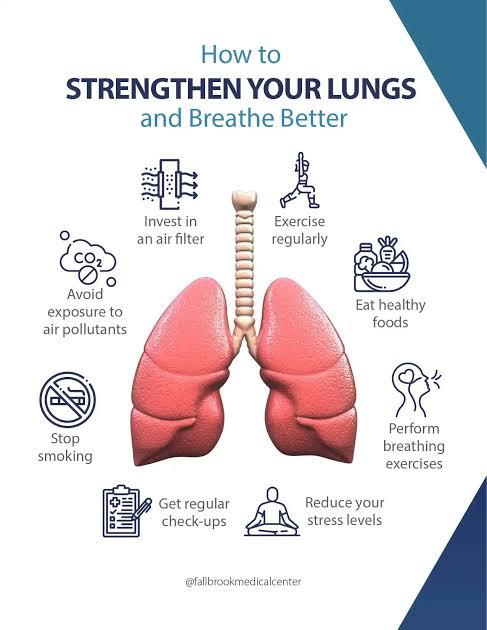
Lung health is an important part of overall well-being. The lungs help the body take in oxygen and remove carbon dioxide, allowing the organs and muscles to function properly. However, daily habits, environmental conditions, and lifestyle choices can affect how well the respiratory system works. I believe that understanding these factors is a practical way to make better health decisions. Small changes in everyday routines can support breathing and help maintain good respiratory health over time.
When researching lifestyle choices and respiratory health, I also come across topics such as Mr Fog Aura Disposable Vape Vaping products are often discussed in conversations about smoking alternatives, but it is important to understand that vaping is not risk-free. E-cigarette aerosol can contain nicotine, particles, and other substances that may affect the lungs. People who do not smoke should avoid starting vaping, while anyone concerned about nicotine use can speak with a qualified healthcare professional about quitting support.
1. Understand How Your Lungs Work
The lungs are responsible for supplying oxygen to the bloodstream. When a person breathes in, air travels through the nose or mouth, passes down the windpipe, and enters smaller airways inside the lungs. Tiny air sacs called alveoli allow oxygen to move into the blood while carbon dioxide moves out.
Healthy lungs support everyday activities such as walking, exercising, speaking, and sleeping. Several factors can influence respiratory function, including age, genetics, air quality, infections, and exposure to harmful substances.
Some common signs of respiratory problems include:
-
Frequent coughing that does not improve.
-
Shortness of breath during normal activities.
-
Wheezing or unusual breathing sounds.
-
Chest tightness or discomfort.
-
Repeated respiratory infections.
-
Feeling unusually tired during physical activity.
These symptoms can have different causes. Anyone experiencing persistent or worsening breathing difficulties should seek medical advice. Severe breathing difficulty or sudden chest pain requires urgent medical attention.
2. Make Better Lifestyle Choices for Respiratory Health
Everyday lifestyle choices can influence lung health. Although no single habit guarantees protection against respiratory conditions, maintaining a healthy routine can support the body's normal functions.
One important step is avoiding tobacco smoke. Cigarette smoking exposes the lungs to harmful chemicals and increases the risk of several serious diseases, including chronic obstructive pulmonary disease (COPD) and lung cancer. Secondhand smoke can also affect people who do not smoke.
Other useful lifestyle habits include:
-
Avoid smoking cigarettes and other tobacco products.
-
Stay physically active according to your fitness level.
-
Eat a balanced diet with vegetables, fruits, and whole grains.
-
Drink enough water throughout the day.
-
Maintain a regular sleep schedule.
-
Follow recommended vaccinations and preventive healthcare advice.
People who want to stop smoking can explore evidence-based support, including counseling and approved smoking cessation treatments. A healthcare professional can help identify suitable options.
3. Understand the Importance of Air Quality
The quality of the air people breathe can affect respiratory health. Indoor and outdoor pollution may contain dust, smoke, chemical particles, and other pollutants. Regular exposure can irritate the respiratory system and may increase health risks, particularly for people with asthma or other existing lung conditions.
I find it useful to consider indoor air quality because people spend a significant amount of time inside homes, offices, and other buildings.
Here are some practical ways to improve indoor air quality:
-
Keep rooms clean to reduce dust accumulation.
-
Avoid smoking inside the home.
-
Use kitchen exhaust fans when cooking.
-
Maintain air-conditioning and ventilation systems.
-
Address damp areas and visible mold.
-
Use suitable air filtration when needed.
-
Avoid unnecessary exposure to strong chemical fumes.
Outdoor air quality also deserves attention. On days with high pollution levels, people with respiratory conditions may need to reduce strenuous outdoor activities. Checking local air quality reports can help people make informed decisions about exercise and outdoor plans.
4. Exercise and Nutrition for Better Lung Function
Regular physical activity supports cardiovascular fitness and helps the body use oxygen more efficiently. Activities such as walking, swimming, cycling, and light jogging can improve overall endurance when performed at an appropriate level.
Exercise does not necessarily increase lung size, but it can improve the efficiency of the heart, muscles, and respiratory system. People who are new to physical activity can start with short walks and gradually increase their activity.
Nutrition also plays a role in general health. A balanced eating pattern provides nutrients that support normal immune function and help the body maintain healthy tissues.
Useful food choices include:
-
Leafy vegetables: Spinach, kale, and other greens provide vitamins and minerals.
-
Fresh fruits: Oranges, berries, and apples contribute vitamins and fiber.
-
Whole grains: Oats and brown rice provide fiber and energy.
-
Protein sources: Eggs, beans, fish, and lentils support tissue maintenance.
-
Healthy fats: Nuts, seeds, and olive oil provide unsaturated fats.
Water is also important because proper hydration helps maintain normal mucus consistency in the airways. However, no particular food or drink can prevent or cure lung disease on its own.
5. Learn About Vaping, Nicotine, and Respiratory Health
Vaping has become a widely discussed subject in public health conversations. Many people search for product information, device specifications, and flavor options before learning about the potential health effects. For example, searches for Mr Fog Aura Vape Near Me show how product varieties are part of online discussions about disposable vaping devices.
However, product flavors and device features do not indicate that a product is safe. Most disposable vaping devices contain nicotine, an addictive substance that can lead to dependence. Some products may also contain other chemicals and particles that users inhale.
It is important to understand several facts about vaping:
-
Nicotine can cause dependence.
-
E-cigarette aerosol is not simply harmless water vapor.
-
Some aerosol substances can irritate the respiratory system.
-
The long-term health effects of vaping are still being studied.
-
Young people and people who have never smoked should avoid vaping.
-
Pregnant individuals should avoid nicotine products.
Adults who currently smoke and are considering switching to vaping should discuss evidence-based quitting options with a healthcare professional. The safest choice for people who do not use tobacco or nicotine is not to start using these products.
6. Build a Consistent Routine for Long-Term Lung Health
Maintaining respiratory health is not about following complicated routines. Consistent habits, preventive healthcare, and awareness of environmental conditions can make a meaningful difference.
I recommend focusing on realistic changes that can become part of everyday life. For example, taking a walk after breakfast, keeping indoor spaces ventilated, and avoiding exposure to smoke are practical starting points.
A simple weekly health routine can include:
-
Walking or participating in another suitable physical activity.
-
Eating a variety of nutritious foods.
-
Getting sufficient sleep each night.
-
Keeping living spaces clean and free from smoke.
-
Washing hands regularly to reduce the spread of infections.
-
Staying up to date with recommended vaccinations.
-
Scheduling medical checkups when appropriate.
People with asthma, COPD, or other respiratory conditions should follow their individual treatment plans. They should not replace prescribed medication with home remedies or general lifestyle advice.
It is also helpful to recognize when professional support is necessary. A persistent cough, unexplained breathing difficulties, or repeated chest infections should not be ignored. Early medical assessment can help identify possible causes and determine appropriate treatment.
In conclusion, protecting lung health starts with informed decisions and consistent daily habits. Avoiding tobacco and nicotine, staying active, maintaining good indoor air quality, and following preventive healthcare advice are practical steps toward better respiratory well-being. When researching products or looking for Mr Fog Aura 60K, remember that availability and product variety do not establish health safety. Making informed choices and seeking reliable medical guidance can help people take better care of their lungs and overall health.

 English
 Arabic
 French
 Spanish
 Portuguese
 Deutsch
 Turkish
 Dutch
 Italiano
 Romaian
 Portuguese (Brazil)
 Greek